
 By Ravi Singh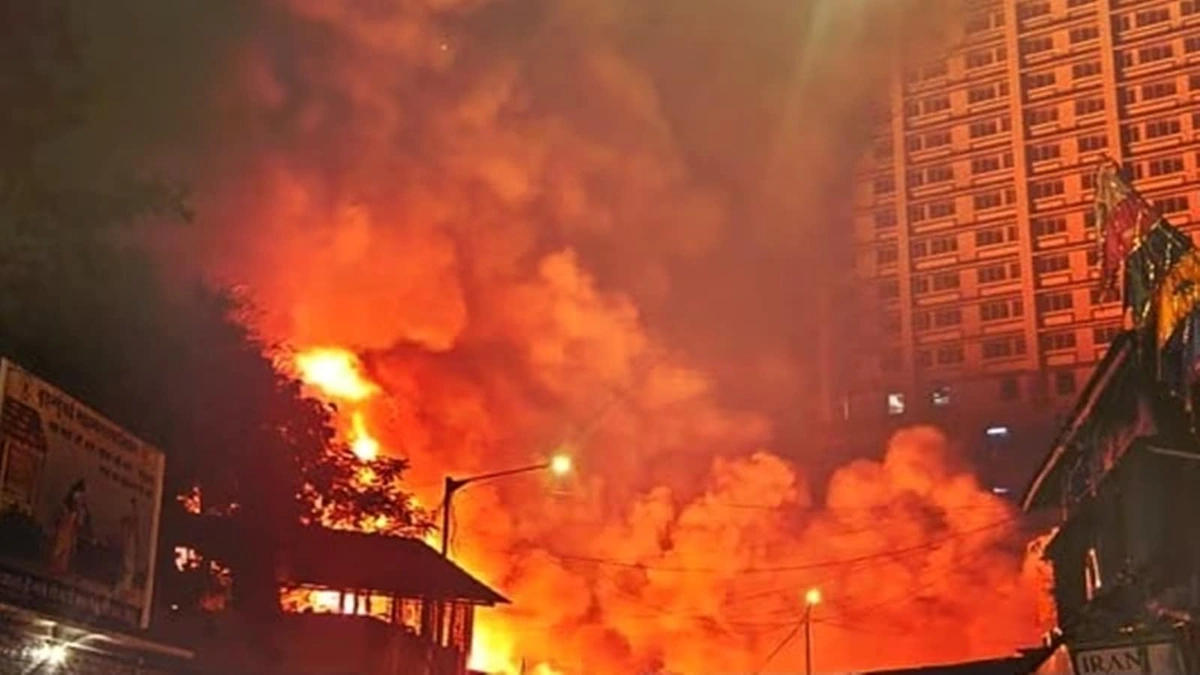
So, news just came in about a Mumbai fire that broke out at some auto parts shops. Thankfully, initial reports say no one’s been injured, which is always the most important thing. But here’s the thing – fires like these, even without casualties, can have a ripple effect that touches everyday folks like you and me. Let’s dive into the “Why” of it all, shall we?
The Immediate Impact | More Than Just Burnt Metal
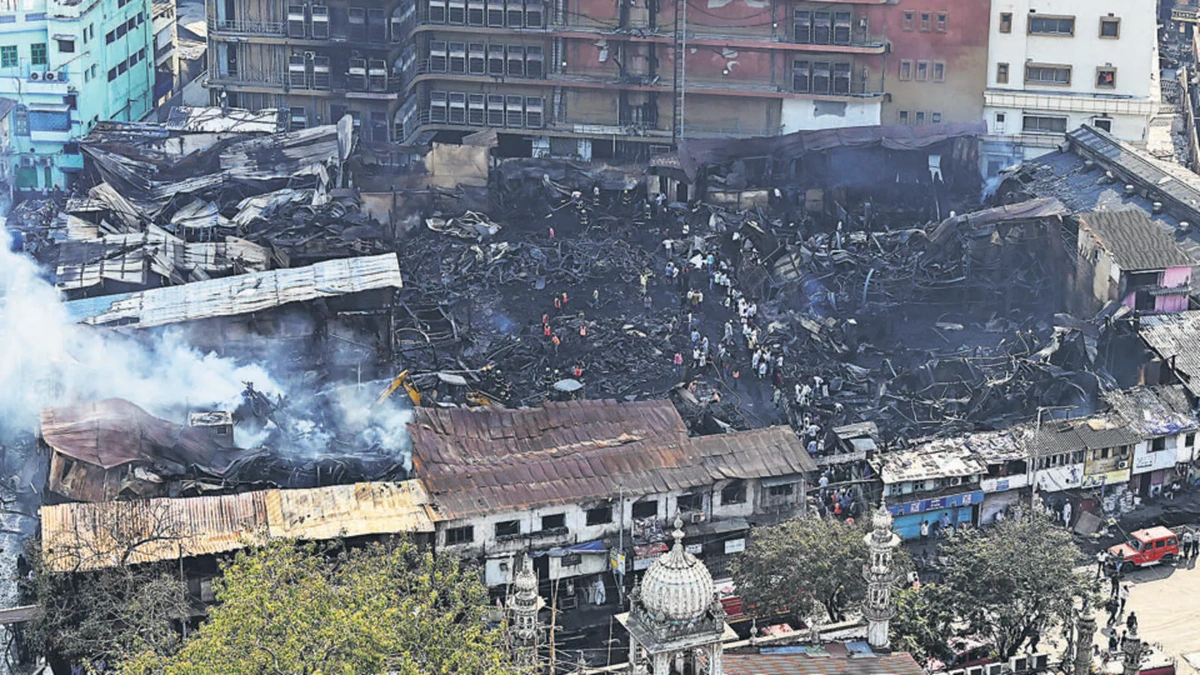
Okay, a fire at auto parts shops sounds pretty localized, right? Wrong. Think about it: Mumbai is a sprawling metropolis, and these shops are often hubs for mechanics and vehicle owners across the city. When a fire incident disrupts supply chains – even temporarily – it can lead to:
- Price hikes: Scarcity drives up the cost of spare parts. Suddenly, that routine repair you were planning on? It just got pricier.
- Delays: Mechanics can’t fix what they don’t have. Expect longer wait times at your local garage.
- Economic disruption: Small businesses, from taxi drivers to delivery services, rely on functioning vehicles. Downtime equals lost income.
It’s like a stone thrown into a pond; the waves spread further than you might initially think. And, let’s be honest, in a city as densely populated and economically active as Mumbai, these disruptions can be felt pretty acutely.
The Bigger Picture | Urban Planning and Safety Concerns
What fascinates me is this: a fire like this isn’t just an isolated event. It often highlights deeper systemic issues. Are these auto parts shops adhering to strict fire safety regulations ? Are they located in areas with adequate fire response infrastructure? What’s the building code enforcement like? These are the questions that need asking because these shop fires can be avoided. You can also check bikesupdates for latest updates.
In a city constantly grappling with space constraints, businesses sometimes operate in conditions that aren’t ideal. This can lead to increased fire hazards. It’s a complex problem with no easy solutions, but ignoring it isn’t an option either. It’s a reminder that urban planning isn’t just about building flyovers and skyscrapers; it’s also about ensuring the safety and well-being of the people who live and work here.
The Human Element | Livelihoods at Stake
Beyond the economic implications, there’s the human element. These auto parts shops aren’t just businesses; they’re often the lifeblood of families. A major fire can wipe out inventory, damage property, and leave owners struggling to rebuild. The immediate aftermath is chaotic, but the long-term consequences can be devastating.
And it’s not just the shop owners who are affected. Think about the employees – the mechanics, the sales staff, the delivery drivers. Their livelihoods are also at risk. Fires like these can lead to job losses and financial insecurity. It’s a stark reminder that behind every news headline, there are real people with real lives. So, while we’re relieved that no one was injured in this Mumbai fire, it’s crucial to acknowledge the potential human cost.
Prevention is Better Than Cure | What Can Be Done?
Okay, so we’ve established why this Mumbai auto parts fire matters. But what can be done to prevent similar incidents in the future? Here are a few thoughts:
- Stricter Enforcement: Regular inspections and stricter enforcement of fire safety regulations are crucial. No exceptions.
- Awareness Campaigns: Educate shop owners and employees about fire prevention measures. Knowledge is power.
- Improved Infrastructure: Ensure adequate fire response infrastructure, including fire hydrants and accessible roads.
- Community Involvement: Encourage local communities to report potential fire hazards.
It’s a collective responsibility. The government, businesses, and citizens all need to play their part in creating a safer environment. And while this specific incident involved auto parts shops, the lessons learned can be applied to other industries as well.
The Silver Lining | A Chance for Improvement
Look, a fire is never a good thing. But sometimes, it can serve as a wake-up call. It forces us to confront uncomfortable truths and address long-standing issues. This Mumbai fire , as unfortunate as it is, presents an opportunity to re-evaluate fire safety standards, improve urban planning, and strengthen community resilience. Visit for more details.
Let’s use this incident to build a safer, more resilient Mumbai for everyone. Let’s not just react to crises; let’s proactively prevent them.
FAQ Section
Frequently Asked Questions
What caused the fire at the Mumbai auto parts shops?
The exact cause is still under investigation, but it is likely due to faulty electrical wiring or unsafe storage of flammable materials.
Are there any long-term effects expected from the fire?
Yes, potential long-term effects include increased prices for auto parts, delays in vehicle repairs, and possible job losses for those working in the affected shops.
What immediate steps are being taken after the fire?
Immediate steps include assessing the damage, providing support to affected businesses and employees, and initiating investigations into the cause of the fire. Authorities are also reviewing existing fire safety regulations and enforcement measures.
How can local communities help prevent future fires?
Local communities can report potential fire hazards, participate in fire safety awareness programs, and support initiatives to improve fire response infrastructure in their areas.
Ultimately, this fire emergency in Mumbai serves as a microcosm of the challenges facing many rapidly growing urban centers. It’s a reminder that progress isn’t just about building bigger and faster; it’s about building smarter and safer. And that requires a commitment from all of us.