
 By Ravi Singh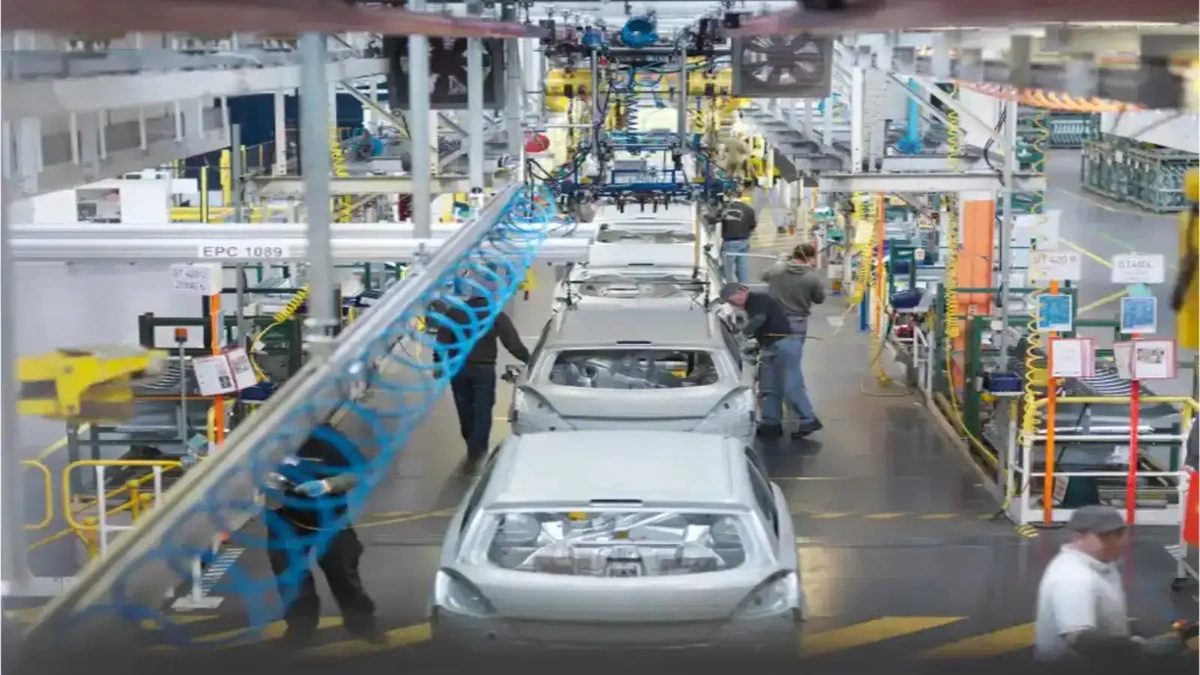
Two million! That’s not just a number; it’s a testament to SAVWIPL’s (Volkswagen Group in India) journey here. But here’s the thing: it’s more than just cars rolling off assembly lines. It’s about India’s growing automotive prowess and what it signals for the future. So, let’s dive deeper. What does this milestone really mean for the Indian automotive landscape, and more importantly, for you as a consumer?
Why SAVWIPL’s Achievement Matters Beyond the Numbers
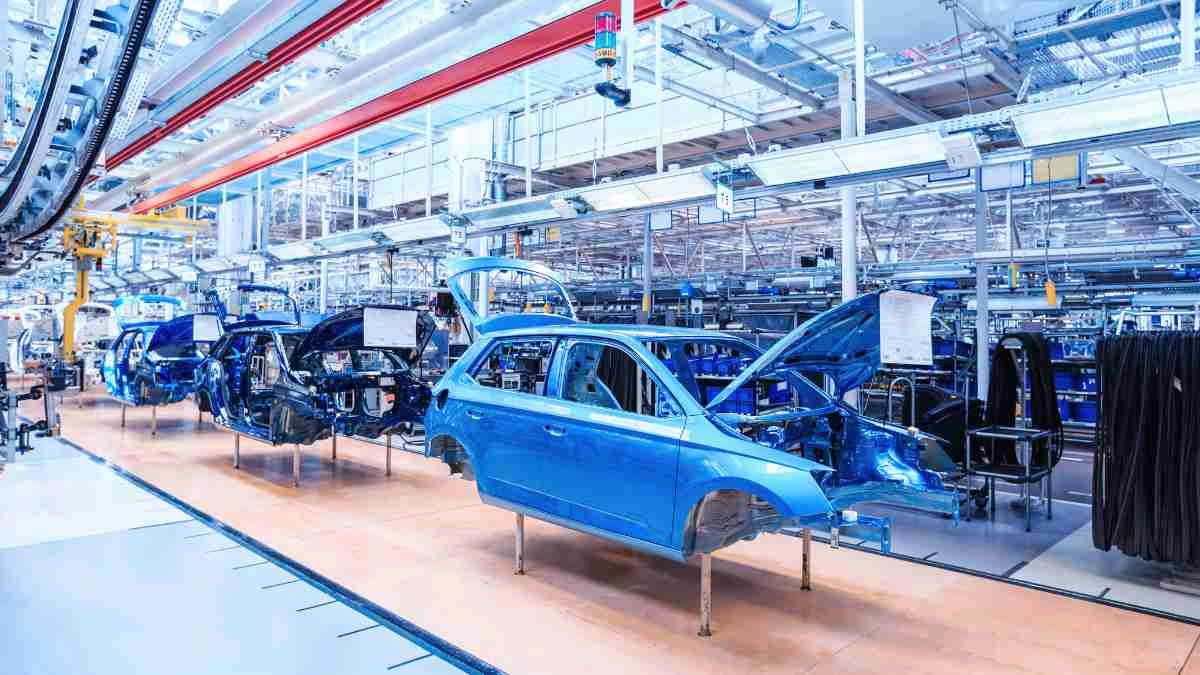
Let’s be honest, a press release announcing vehicle production milestones can feel a bit… dry. But this one’s different. It’s about understanding India’s automotive industry . SAVWIPL isn’t just churning out cars; they are contributing significantly to the country’s manufacturing ecosystem. This milestone underscores India’s potential as a global automotive hub.
Think about it: Two million vehicles mean a massive supply chain humming along, creating jobs, and boosting local economies. It reflects growing consumer confidence and the increasing demand for quality vehicles in India. And let’s not forget the ripple effect on related industries like auto components, logistics, and technology. The fact that this production milestone was reached even with the pandemic and supply chain disruptions makes it even more significant.
But there’s another layer here. It says something about the investment climate in India. SAVWIPL’s commitment signals confidence in the Indian market, attracting further foreign investment and technological collaborations.
How This Impacts You, the Indian Consumer
Okay, so a factory hit a number. Big deal, right? Wrong. It has the potential to make a difference to you. Increased automotive manufacturing often leads to greater competition, potentially resulting in better prices, more features, and improved quality for consumers. As companies like SAVWIPL ramp up production, they are incentivized to innovate and offer more compelling products to capture market share. That could mean faster adoption of electric vehicles (EVs) and advanced safety features, making driving safer and more enjoyable for everyone. Check this article about automotive market in India
The increasing availability of locally manufactured vehicles also translates to easier access to spare parts and servicing, reducing maintenance costs and downtime. Plus, with a stronger domestic manufacturing base, India becomes less vulnerable to global supply chain shocks, ensuring a more stable and reliable automotive market.
The Road Ahead | Challenges and Opportunities
Of course, it’s not all sunshine and roses. Challenges remain. The automotive industry is undergoing a massive transformation, driven by electrification, autonomous driving, and connected car technologies. For India to maintain its competitive edge, it needs to invest heavily in research and development, skill development, and infrastructure. There is a need to consider environmental sustainability .
One major hurdle is the transition to electric vehicles. While the Indian government is promoting EV adoption through incentives and policies, the charging infrastructure is still woefully inadequate. Overcoming this challenge requires coordinated efforts from the government, industry, and private sector to build a robust and accessible charging network across the country. Another aspect to consider is electric vehicle production .
But the opportunities are immense. India has a young and growing population, a rising middle class, and a strong entrepreneurial spirit. With the right policies and investments, India can become a global leader in automotive innovation and manufacturing, creating jobs, driving economic growth, and improving the lives of millions. By focusing on innovation, sustainability, and customer centricity, SAVWIPL and other automakers can play a pivotal role in shaping the future of mobility in India.
SAVWIPL’s Role in Shaping India’s Automotive Future
What fascinates me is how SAVWIPL’s journey mirrors India’s own automotive evolution. They’ve adapted to the Indian market, invested in local manufacturing, and are now exporting vehicles globally. This isn’t just about selling cars; it’s about building a long-term, sustainable business that benefits both the company and the country. They’ve also been actively involved in corporate social responsibility initiatives, contributing to education, healthcare, and environmental conservation.
Let me rephrase that for clarity: SAVWIPL’s success is intertwined with India’s. Their growth fuels the Indian economy, and India’s growth creates opportunities for them. It’s a symbiotic relationship that bodes well for the future. Furthermore, SAVWIPL has been proactive in adopting sustainable manufacturing practices, reducing its carbon footprint, and promoting environmental awareness. For more information about Sustainability check this link.
As India moves towards a greener and more technologically advanced automotive landscape, companies like SAVWIPL will be at the forefront, driving innovation, creating jobs, and shaping the future of mobility. All of this shows the significance of local vehicle manufacturing .
Conclusion | More Than Just a Milestone
So, two million vehicles. It’s not just a number. It’s a story of growth, resilience, and opportunity. It’s a testament to India’s automotive potential and a glimpse into a future where India is a global automotive powerhouse. And that, my friends, is something to be excited about. It’s also about India’s journey towards becoming self-reliant in manufacturing.
FAQ
How does vehicle production affect the Indian economy?
Increased vehicle production boosts economic growth by creating jobs, stimulating supply chains, and attracting foreign investment.
What are the challenges in increasing vehicle production in India?
Key challenges include infrastructure limitations, supply chain bottlenecks, and the transition to electric vehicles.
How is SAVWIPL contributing to sustainable vehicle production?
SAVWIPL is adopting eco-friendly manufacturing practices and investing in electric vehicle technology to reduce its environmental impact.
What impact does vehicle production have on the price and availability of cars for consumers?
Higher production volumes can lead to competitive pricing and increased availability of various car models.
What role does government policy play in promoting vehicle production?
Government policies such as tax incentives, infrastructure development, and support for electric vehicles significantly influence vehicle production.
How does increased vehicle production affect job creation in India?
Increased production generates numerous jobs across manufacturing, supply chain, sales, and service sectors.