
 By Ravi Singh
Here’s the thing: the future of EV Tech in India isn’t just about what we can do ourselves. It’s about recognizing that we’re part of a global ecosystem. And right now, that ecosystem increasingly involves collaboration with China. Why? Because, honestly, they’re ahead in certain areas. Uno Minda’s Chair, a key voice in the automotive component industry, has been highlighting this very point – not as a sign of weakness, but as a strategic imperative.
Why This Collaboration Matters | Beyond the Headlines
So, why is everyone suddenly talking about India and China joining forces in electric vehicle technology ? It’s not just about cost-effectiveness, though that’s definitely a factor. It’s deeper than that. China has spent years building up its EV infrastructure and refining its battery technology. They’ve got a head start in manufacturing scale and supply chain dominance. India, meanwhile, has a burgeoning market and a hunger for innovation. But, and this is a big but, we need access to certain technologies and components to truly become a global EV powerhouse. Collaboration isn’t about surrendering; it’s about accelerating our progress. Think of it as a strategic alliance, not a takeover. This also includes collaboration in EV charger production and standardization. According to the IEA , global EV adoption is growing exponentially, and India needs to be ready.
The Key Areas of Collaboration | Batteries, Motors, and More
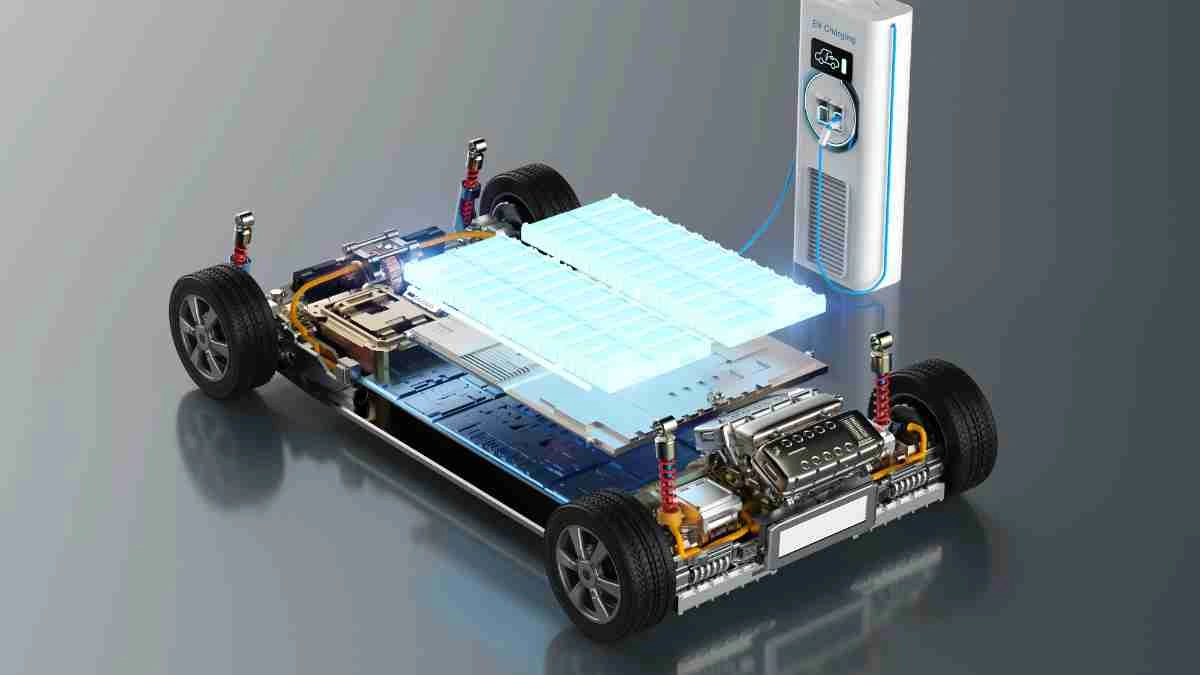
Let’s be specific. What exactly can India gain from partnering with China in EV technology advancements ? Well, batteries are a huge one. Chinese companies are at the forefront of battery chemistry and manufacturing. Access to their technology can help India reduce its reliance on imports and build a domestic battery manufacturing ecosystem. Then there are electric motors and power electronics – critical components for any EV. Joint ventures and technology transfer agreements can give Indian companies the know-how to produce these components locally. A common mistake I see is underestimating the importance of software. Chinese EV companies are also making strides in autonomous driving and connected car technologies. Collaborating in these areas could give India a competitive edge in the global market. For example, battery swapping technology is also an area where both countries can exchange knowledge. Find more here .
Navigating the Challenges | Trust, Transparency, and IP Protection
Of course, it’s not all sunshine and roses. There are challenges to navigate. Trust is a big one, let’s be honest. There are concerns about intellectual property protection and ensuring a level playing field for Indian companies. Transparency is crucial. Any collaboration needs to be open and transparent, with clear rules and guidelines. And India needs to be smart about protecting its own interests. It’s about striking a balance – leveraging China’s strengths while safeguarding our own technological sovereignty. What fascinates me is how these collaborations will shape the future of EV Tech in both countries and beyond. It’s a high-stakes game, and the players need to be strategic. The global electric vehicle market is huge and growing, with opportunities for both India and China.
The Indian Government’s Role | Incentives and Policy Support
So, what’s the Indian government doing to facilitate this collaboration? Well, they’re playing a key role in creating a supportive policy environment. The government’s Faster Adoption and Manufacturing of (Hybrid &) Electric Vehicles (FAME) scheme is providing incentives for EV manufacturing and adoption. And they’re also working to establish standards and regulations for the EV industry. But more needs to be done. We need clear and consistent policies that encourage foreign investment and technology transfer, while also protecting Indian companies. The government should also invest in research and development to build indigenous EV technology capabilities. The goal is to create a level playing field where both Indian and Chinese companies can thrive. This includes investing in charging infrastructure and promoting public awareness of EVs. As per the Automotive Component Manufacturers Association of India (ACMA), a strong domestic supply chain is essential for the long-term success of the EV industry.
The Road Ahead | A Collaborative and Competitive Future
The future of EV technology advancements in India is likely to be both collaborative and competitive. We’ll see more partnerships between Indian and Chinese companies, but also increased competition in the market. This competition will ultimately benefit consumers by driving down prices and improving the quality of EVs. The key is to create a win-win scenario where both countries can benefit from the growth of the EV industry. And it all starts with open dialogue, transparency, and a willingness to learn from each other. I initially thought this was straightforward, but then I realized the geopolitical implications are huge. These collaborations are not only related to automotive component industry, but they can extend to battery technology, electric motors, and EV charger production. Ultimately, that’s the goal: a sustainable and thriving EV ecosystem in India. Here is another interesting article about Honda SP 160 Bike Review .
FAQ Section
Frequently Asked Questions
Why is collaboration with China important for India’s EV sector?
China has a significant head start in EV technology, especially in batteries and manufacturing. Collaboration allows India to access this expertise and accelerate its own EV development.
What are the main challenges in India-China EV collaboration?
Key challenges include concerns about intellectual property protection, ensuring fair competition, and building trust between companies.
How is the Indian government supporting EV collaboration?
The government offers incentives through schemes like FAME and is working on establishing industry standards to encourage investment and technology transfer.
What specific technologies can India gain from China?
India can benefit from China’s expertise in battery technology, electric motors, power electronics, and software for autonomous driving and connected car technologies.
What is battery swapping and why is it important?
Battery swapping is a quick alternative to charging, allowing drivers to exchange depleted batteries for fully charged ones, reducing downtime. It’s an area where both countries can learn from each other.
How can India protect its interests in EV collaborations?
India needs to establish clear rules, promote transparency, and invest in its own research and development to maintain technological sovereignty.
So, there you have it. The India-China collaboration in EV Tech isn’t just a news story; it’s a strategic necessity. It’s a complex dance of cooperation and competition, but one that could ultimately transform India’s automotive landscape. And that’s something worth watching closely.