
Roguelike games. The very name conjures images of pixelated dungeons, permadeath, and a whole lot of frustration… and yet, an undeniable allure. But what is it about these notoriously difficult games that keeps players coming back for more? It’s more than just nostalgia, though that certainly plays a part. Let’s explore the enduring appeal of the roguelike genre and why it continues to thrive in a gaming landscape dominated by AAA titles and endless sequels. What fascinates me is how a formula born from technical limitations has evolved into a diverse and innovative playground.
The Allure of Permadeath: More Than Just Punishment
Permadeath. The concept that strikes fear into the hearts of casual gamers. But here’s the thing: it’s not just about punishment; it’s about consequence. In most modern games, death is a minor inconvenience, a slap on the wrist before you’re resurrected at the last checkpoint. Roguelikes , however, treat death as a learning opportunity. Every mistake, every poor decision, every run that ends in ignominious failure is a lesson learned. That’s something I truly value.
But the real kicker? It makes every decision matter. That potion you’re considering quaffing? Suddenly a life-or-death gamble. That seemingly harmless enemy? A potential run-ender. This high-stakes environment fosters a level of engagement rarely found in other genres. And honestly, that adrenaline rush when you finally conquer a challenging level after countless attempts? Unmatched.
Procedural Generation: The Gift That Keeps on Giving
Imagine playing the same game, but the map, enemies, and items are different every single time. That’s the magic of procedural generation, a core element of most roguelikes. It ensures that no two playthroughs are ever the same, leading to near-infinite replayability. It’s not just random; it’s structured randomness, carefully designed to create challenging and engaging experiences. Procedural generation creates unique environments and challenges.
What I find particularly fascinating is how developers use this system to tell stories. The arrangement of rooms, the placement of items, even the types of enemies encountered can contribute to a narrative that emerges organically from the gameplay. It’s a far cry from the heavily scripted stories of many AAA titles, and something I often find much more compelling.

The Thrill of Discovery and Mastery
Roguelikes are often deep, complex games with a wealth of hidden mechanics and emergent strategies. Discovering these intricacies is a huge part of the fun. Figuring out how different items interact, learning enemy attack patterns, mastering movement techniques – it all contributes to a sense of personal accomplishment. It’s a constant learning process. You need to keep your wits about you.
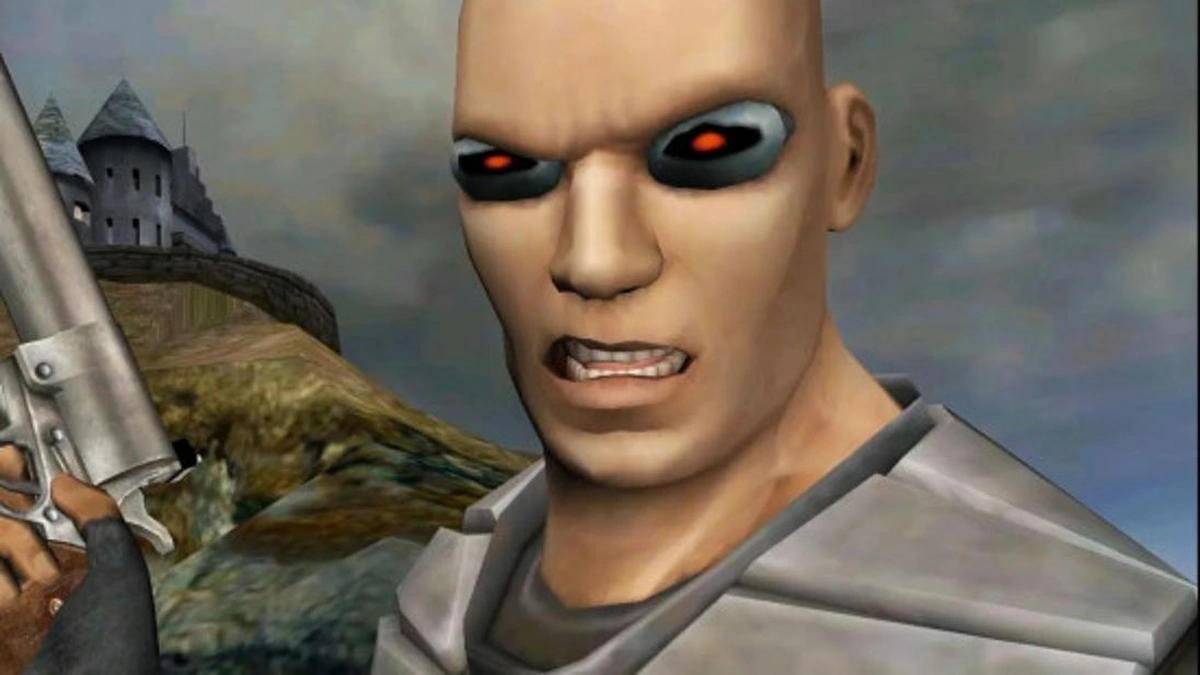
And this isn’t just about memorizing stats and numbers. It’s about developing intuition, learning to read situations, and making split-second decisions based on incomplete information. It’s like learning a new language, only instead of words, you’re deciphering the language of the game itself. Goldeneye Timesplitters Devs Roguelike .
From Nethack to Hades: The Evolution of the Genre
The roguelike genre has come a long way since its humble beginnings with games like Rogue and Nethack. The core tenets remain – permadeath, procedural generation, turn-based combat – but the formula has been refined, expanded, and hybridized in countless ways. We’ve seen the rise of “roguelite” games, which incorporate elements of roguelikes but offer more forgiving difficulty curves and persistent progression systems.
Games like Hades have demonstrated that roguelikes can be stylish, story-driven, and accessible to a wider audience. The indie game development scene has been instrumental in pushing the boundaries of what a roguelike game can be, proving that this genre is far from stagnant.

Why Roguelikes Still Matter
In a world of endless sequels and homogenized game design, roguelikes offer something unique: a genuine challenge, a sense of discovery, and a high degree of replayability. They remind us that games can be more than just entertainment; they can be learning experiences, opportunities for self-improvement, and even sources of profound emotional connection. The fact that these games are so demanding actually contributes to their lasting appeal. They are, in a way, the dark souls of indie gaming!
So, next time you’re looking for a game that will truly test your skills and reward your perseverance, give a roguelike game a try. You might just find yourself hooked. Trust me, I know from personal experience!
FAQ Section
What exactly defines a roguelike game?
Generally, it’s a game with permadeath, procedural generation, and turn-based gameplay, often with a high degree of difficulty. However, the definition is debated.
What’s the difference between a roguelike and a roguelite?
Roguelites often have persistent progression systems that carry over between runs, making them more forgiving than traditional roguelikes .

Are roguelikes only pixelated?
No! While many classic roguelikes are pixelated due to their age and origins, many modern roguelikes feature stunning graphics and art styles.
Why are roguelikes so hard?
The difficulty is intentional! It forces you to learn from your mistakes and adapt to unpredictable situations. It’s part of what makes them rewarding.