

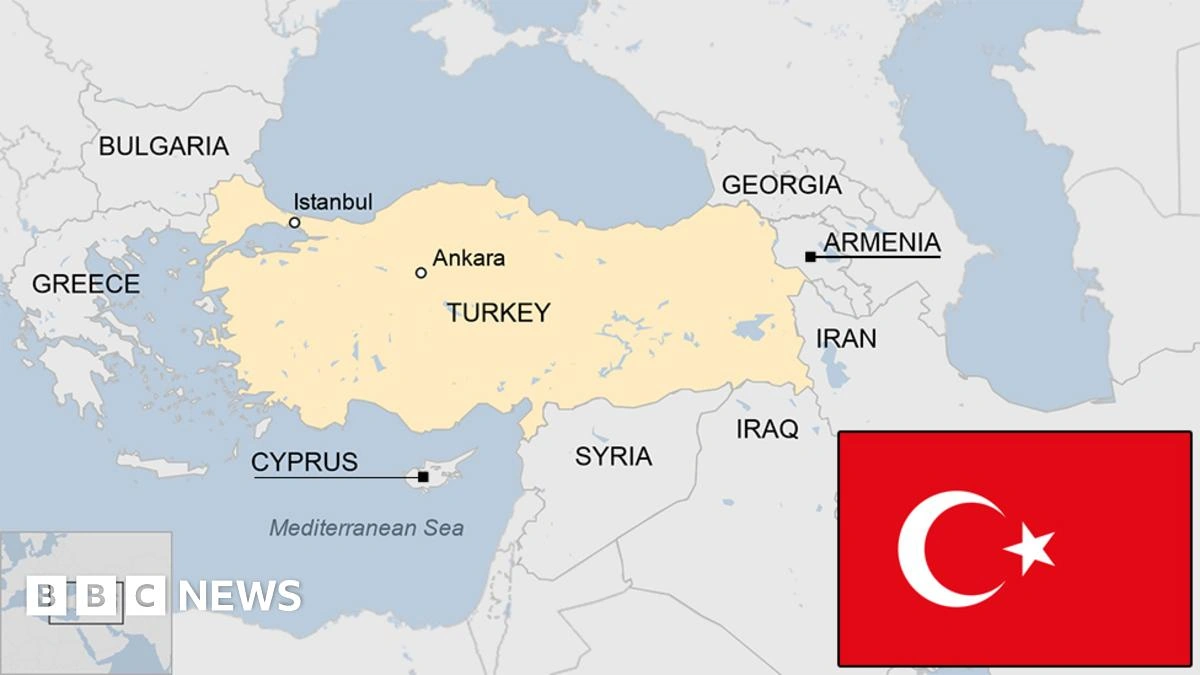
So, Turkey’s telling Germany they’re needed in the auto sector, huh? Here’s the thing – it’s not just about one country needing another. This is about shifting global dynamics, evolving supply chains, and a whole lot more than meets the eye. Let’s dive deeper, shall we?
Why Turkey’s Automotive Ambition Matters

Let’s be honest, when you think of automotive giants, Turkey might not be the first country that springs to mind. Germany, Japan, the US – sure. But Turkey? Well, that’s changing, and fast. Turkey has been quietly building up its automotive industry for years. It has a strategic location, a young and eager workforce, and government incentives to attract foreign investment. It’s also leveraging its existing manufacturing base and improving its technological capabilities. All this is laying the groundwork to become a significant player in the global automotive landscape. The increasing automotive production in the country is a testament to this.
Now, Germany, on the other hand, is an automotive powerhouse. But even giants can face challenges. Aging workforce, rising labor costs, and a sometimes slow adoption of new technologies are all factors. Germany’s auto industry is under pressure to adapt to the electric vehicle revolution and maintain its competitive edge. That’s where Turkey comes in. It can offer a lower-cost manufacturing base, a gateway to emerging markets, and a more agile approach to innovation. See how the pieces fit together? This is more about mutual benefit than Turkey just asking for a favor.
This isn’t just about Germany either; European automakers , in general, should take note. The global automotive landscape is undergoing seismic shifts.
The Supply Chain Shuffle | A New World Order?
The COVID-19 pandemic exposed the fragility of global supply chains. Remember the chip shortage that crippled car production worldwide? Yeah, that was fun (not!). Companies are now scrambling to diversify their supply chains, and Turkish automotive industry is a huge contender in this diversification strategy.
Turkey offers a geographically strategic alternative to traditional manufacturing hubs in Asia. It’s closer to Europe, which means shorter shipping times and lower transportation costs. Plus, it has free trade agreements with many countries, making it easier to export goods. This is a big deal for companies looking to reduce their reliance on a single source. More on supply chain adjustments here .

But let’s rephrase that for clarity. It’s not just about moving production. It’s about creating a more resilient and responsive supply chain. This means investing in local capabilities, building partnerships with Turkish companies, and fostering innovation within the Turkish automotive ecosystem. So, while the German economy is still strong, it’s being augmented by Turkey’s.
Electric Vehicles | Turkey’s Ace in the Hole?
What fascinates me is the electric vehicle (EV) angle. The world is racing towards EVs, and Germany is feeling the pressure to catch up. Turkey sees this as a massive opportunity. They are investing heavily in EV technology and infrastructure and are aiming to become a major EV production hub. And, given their geographic location, EV components and complete vehicles are highly marketable.
Turkey’s also blessed with significant reserves of critical minerals like lithium and cobalt, which are essential for battery production. This gives them a natural advantage in the EV supply chain. They can potentially control the entire value chain, from raw materials to finished vehicles. That’s a game-changer, folks. Germany’s know-how combined with Turkey’s resources and manufacturing prowess? Now that’s a partnership with serious potential.
As per the Turkish Ministry of Industry and Technology reports (www.industry.gov.tr) , there are significant incentives for foreign investors in the EV sector.
Challenges and Opportunities Ahead
Of course, it’s not all sunshine and roses. Turkey faces challenges, including political instability and concerns about the rule of law. These factors can deter foreign investment and create uncertainty for businesses. The Turkish economy needs some improvements to gain the full trust of all investors.

And, let’s be real, Germany isn’t going to hand over its automotive crown without a fight. They’ll need to adapt, innovate, and collaborate to maintain their leadership position. But the potential rewards are enormous. A stronger, more resilient, and more sustainable automotive industry that benefits both countries. A win-win situation, if you ask me.
But here’s the real kicker. This isn’t just about economics or technology. It’s about geopolitics. Turkey is a key player in the region, and its relationship with Germany is strategically important. A strong economic partnership can strengthen ties and promote stability. That’s something the world desperately needs right now.
The Bottom Line | A Symbiotic Relationship
I initially thought this was straightforward, but then I realized the complexities of the automotive industry. Turkey telling Germany it’s needed in the auto sector isn’t some random headline. It’s a sign of the times. A signal of a changing world order. A reminder that even the biggest players need to adapt and collaborate to thrive. And for India? It’s a lesson in how strategic partnerships and smart investments can transform a nation’s economic landscape. Also, with the emergence of Turkey in the automotive industry, global competition is expected to grow. It’s about creating something bigger and better together. Read this for more on dealer management solutions .
FAQ
Why is Turkey focusing on the automotive sector?
Turkey sees the automotive sector as a key driver of economic growth and technological advancement. Its strategic location, young workforce, and government incentives make it an attractive destination for automotive investment.
What are the main challenges facing Turkey’s automotive industry?
Challenges include political instability, concerns about the rule of law, and competition from established automotive giants.

How is Turkey positioning itself in the electric vehicle market?
Turkey is investing heavily in EV technology and infrastructure, aiming to become a major EV production hub. It also has significant reserves of critical minerals for battery production.
What benefits can Germany gain from collaborating with Turkey in the auto sector?
Germany can benefit from Turkey’s lower-cost manufacturing base, access to emerging markets, and agile approach to innovation. This can help them maintain their competitiveness in the face of the EV revolution.
What impact could this collaboration have on the global automotive industry?
The collaboration could lead to a more resilient and diversified supply chain, greater innovation in EV technology, and a shift in the global automotive power balance.
Is this move expected to increase competition in the automotive sector?
Yes, the rise of Turkey as a significant player in the automotive sector is expected to intensify global competition, driving innovation and potentially leading to lower prices for consumers.