

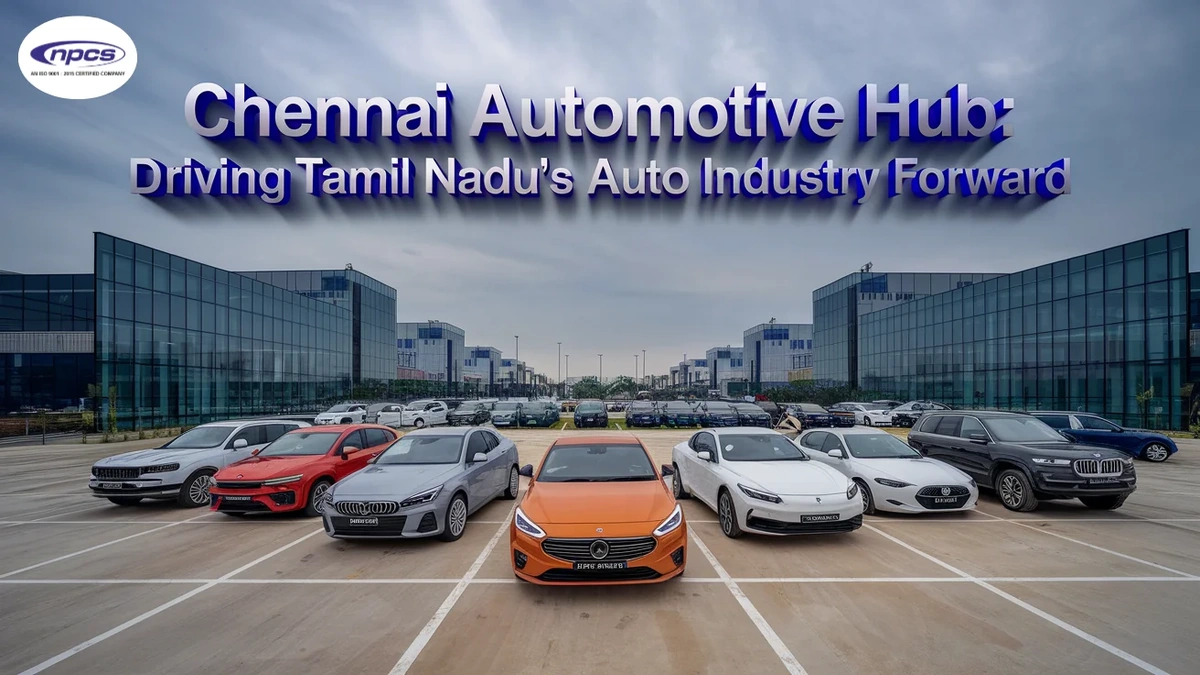
Okay, let’s talk cars – and not just any cars, but the whole shebang of the Tamil Nadu Automotive Industry . You know, when a state minister like TRB Rajaa stands up and says Tamil Nadu is doing great in the auto sector, it’s easy to just nod and move on. But here’s the thing: it’s not just about the numbers. It’s about why Tamil Nadu has become an automotive powerhouse. And that, my friends, is a story worth diving into. What fascinates me is how a state can become such a magnet for car manufacturers, component suppliers, and all the related industries.
The ‘Why’ Behind Tamil Nadu’s Automotive Dominance
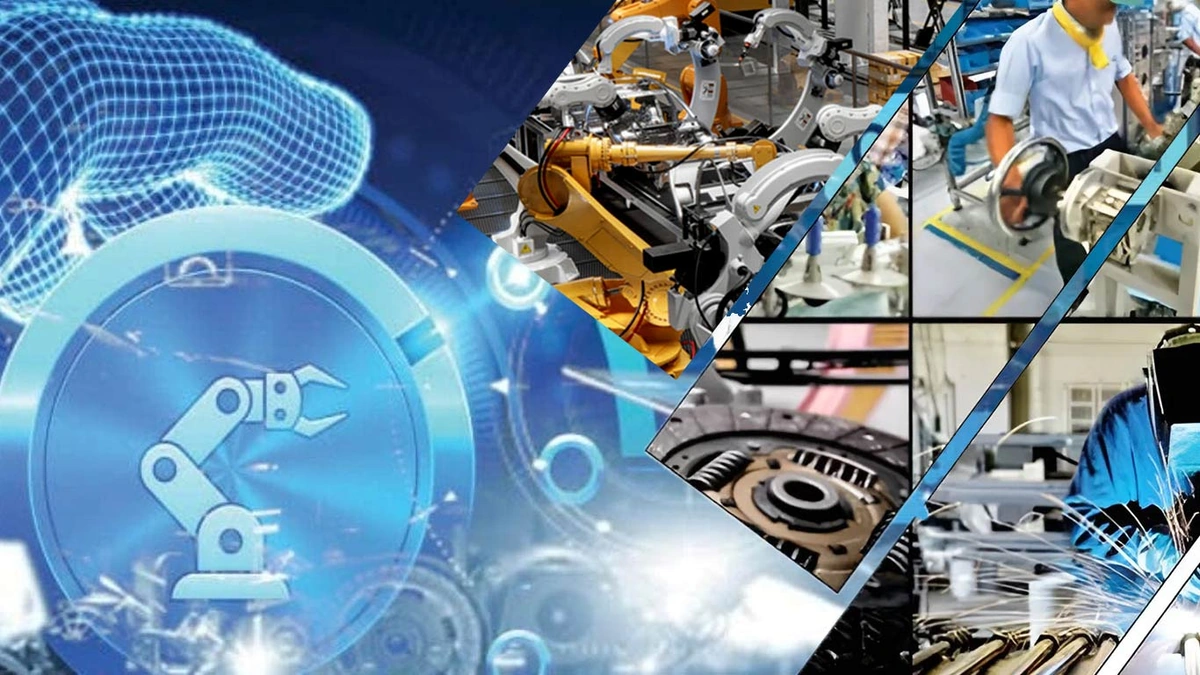
So, what’s the secret sauce? Well, it’s a combination of factors, really. Tamil Nadu has a long history of manufacturing, and that’s given it a head start. Think about it: you don’t just wake up one morning and decide to build cars. It takes years to develop the skills, infrastructure, and ecosystem needed to support such a complex industry. But, Tamil Nadu has already laid the groundwork decades ago. The presence of major players like Hyundai, Renault-Nissan, Ford (though they’ve had their recent exits, the impact remains), and TVS Motors has definitely helped create a thriving ecosystem. As the Make in India stats suggest, Tamil Nadu is the leading state in auto production.
Another crucial aspect is the government’s proactive approach. They’ve been actively wooing investors with incentives, tax breaks, and streamlined regulations. It’s like they’re saying, “Hey, we want you here, and we’ll make it easy for you to do business.” And that makes a huge difference. Let’s be honest; navigating the bureaucratic maze in India can be daunting, but Tamil Nadu has made significant strides in simplifying things. Beyond just policies, they’ve invested heavily in infrastructure. Good roads, reliable power supply, and access to ports are essential for any manufacturing hub. You can’t build cars if you can’t get the parts in and the finished products out, right?
And let’s not forget the skilled workforce. Tamil Nadu has a strong education system, and there are plenty of engineering colleges and vocational training institutes churning out qualified professionals. The automotive industry needs skilled workers – engineers, technicians, designers – and Tamil Nadu has a ready supply. Many of the global manufacturers have set up operations here due to the availability of skilled labour. That’s not a small thing. Plus, the state’s strategic location – close to major ports and with good connectivity to the rest of India – makes it an attractive destination for manufacturers.
The Economic Ripple Effect of the Tamil Nadu Automotive Industry
Here’s where it gets really interesting. The automotive sector in Tamil Nadu isn’t just about building cars; it’s about creating jobs, driving economic growth, and fostering innovation. Think of all the suppliers, vendors, and service providers that support the auto industry. They all benefit from the growth of the sector. It’s like a pebble dropped in a pond – the ripples spread far and wide. A common misconception I see is that people only think about the direct jobs at the car factories. But, that is simply not true!

According to a report published in IBEF, Tamil Nadu accounts for a sizable portion of India’s automobile exports, proving its significance on the global stage. The state’s automotive output is also leading in export value. The auto industry is a major driver of technological advancement. Car manufacturers are constantly pushing the boundaries of innovation, developing new technologies to improve fuel efficiency, safety, and performance. And all that innovation happens right here in Tamil Nadu. The growth of the automotive sector has led to the development of a robust supply chain, with many local companies now supplying components to global manufacturers. This has helped to boost the competitiveness of the Tamil Nadu manufacturing sector as a whole.
Challenges and the Road Ahead for Tamil Nadu Automotive Industry
Now, it’s not all sunshine and rainbows. The automotive industry faces its fair share of challenges. The global economy is volatile, and demand for cars can fluctuate wildly. The rise of electric vehicles is disrupting the industry, and manufacturers need to adapt to this new reality. And competition is fierce, both from other states in India and from countries around the world. The growing popularity of electric vehicles in Tamil Nadu is impacting the future of the automobile sector. Check out this EV coverage! .
But, Tamil Nadu is well-positioned to overcome these challenges. The state has a strong foundation, a supportive government, and a skilled workforce. And it’s embracing new technologies and adapting to the changing landscape. The state government is actively promoting the adoption of electric vehicles, offering incentives to manufacturers and consumers alike. They are encouraging companies to invest in research and development, to develop new technologies that can drive the industry forward. And they are working to improve infrastructure, to make it even easier for manufacturers to do business in Tamil Nadu. All that effort is paying off with increased investments and revenue for the Tamil Nadu Government. Also, with the rise of EV, the Tamil Nadu Government is focusing on attracting battery manufacturers, ensuring that the state remains at the forefront of the automotive industry.
So, what does the future hold? I think Tamil Nadu will continue to be a major player in the automotive industry for many years to come. It has all the ingredients for success: a strong foundation, a supportive government, a skilled workforce, and a willingness to embrace change. It’s not just about building cars; it’s about building a future. What fascinates me is seeing how Tamil Nadu is adapting to the changing landscape of the automobile sector. More about investment trends here. . From EVs to component manufacturing, I believe Tamil Nadu is set to remain the automotive capital of India.

Tamil Nadu’s Competitive Edge | Policy & Infrastructure
Let’s dive deeper into some specific reasons why Tamil Nadu holds a competitive edge. The state’s industrial policies are designed to attract investments. These aren’t just empty promises; they are concrete incentives like tax benefits, subsidies on land and power, and a single-window clearance system for approvals. This reduces red tape and makes it easier for companies to set up operations. The state has invested heavily in port infrastructure, connecting manufacturers to global markets. Chennai Port and Ennore Port are major hubs for automobile exports, making it easy and cost-effective to ship vehicles overseas. Tamil Nadu also has a well-developed road network that connects manufacturing hubs to other parts of India. This is essential for the smooth movement of goods and materials.
The availability of skilled labor is another major advantage. Tamil Nadu has a large pool of qualified engineers, technicians, and other skilled workers who are essential for the automotive industry. Many engineering colleges and vocational training institutes in the state offer courses that are specifically tailored to the needs of the automotive industry. The government also runs various skill development programs to help workers upgrade their skills and stay ahead of the curve. The combination of policy, infrastructure, and skilled labor makes Tamil Nadu a very attractive destination for automobile manufacturers. I initially thought it was solely about cheap labour. But, clearly, the government has provided the required industrial support needed to propel the region forward.
FAQ About Tamil Nadu’s Automotive Prowess
How has government policy fostered growth in the Tamil Nadu Automotive Industry?
Tamil Nadu’s pro-business policies, like tax incentives and streamlined approvals, have attracted significant investments, fostering the growth of the state’s automotive sector.
What role do ports play in Tamil Nadu’s automotive industry success?
Chennai and Ennore Ports provide crucial export infrastructure, making it easier and cheaper for manufacturers to ship vehicles overseas, boosting the state’s export capabilities.

How is Tamil Nadu adapting to the shift towards electric vehicles?
The state government is actively promoting EV adoption with incentives for manufacturers and consumers, positioning Tamil Nadu as a leader in India’s EV revolution.
What skills are most in-demand in the Tamil Nadu Automotive Industry?
There’s a high demand for skilled engineers, technicians, and designers. The state offers tailored education and training programs to meet this demand and enhance the automotive sector.
What challenges does the Tamil Nadu Automotive Industry currently face?
The challenges include global economic volatility, adapting to electric vehicle technology, and intense competition from other regions. Tamil Nadu is addressing these through proactive policies and investments.