
Okay, let’s be honest. When someone says “sustainable mobility,” does your mind immediately conjure up images of bland, beige electric cars and solar-powered golf carts? Mine did, for a while anyway. But actually, the whole field is way more interesting, complex, and – dare I say – exciting than that initial impression suggests. The future of how we get around is being rewritten, and it’s not just about swapping gas guzzlers for electric vehicles (EVs). Though, EVs definitely have a part to play. I initially thought it was all about electric cars and calling it a day, but after looking deeper, alternative fuels are making a comeback!
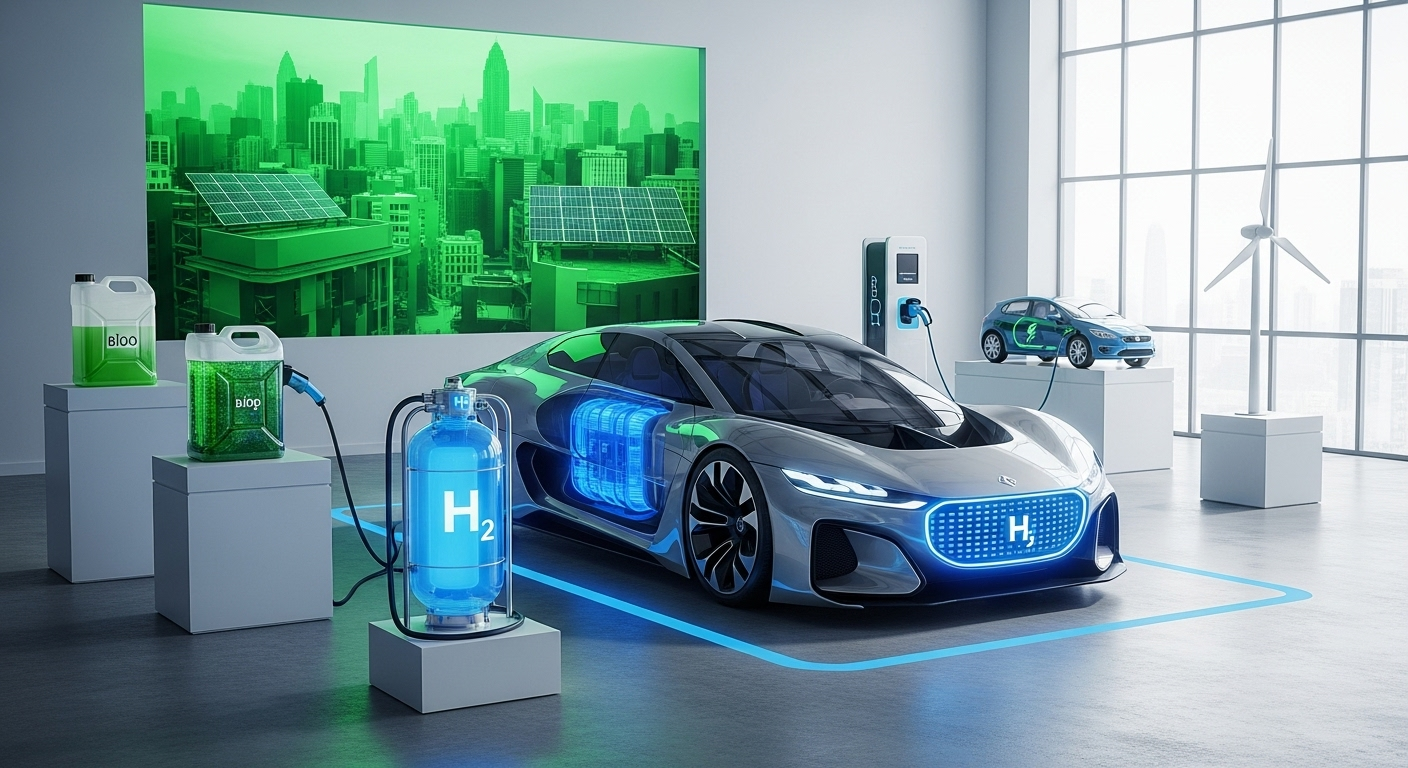
We’re talking about a real revolution in transportation, driven by a combination of technological advancements, environmental concerns, and, let’s not forget, a good old-fashioned desire for something better. Something cleaner, more efficient, and maybe even a little bit cooler. This means exploring not just electric cars but also diving headfirst into the world of alternative fuels. Think hydrogen, biofuels, and even synthetic fuels. And honestly, the possibilities are expanding daily.
Beyond the Battery: Alternative Fuels Step Up
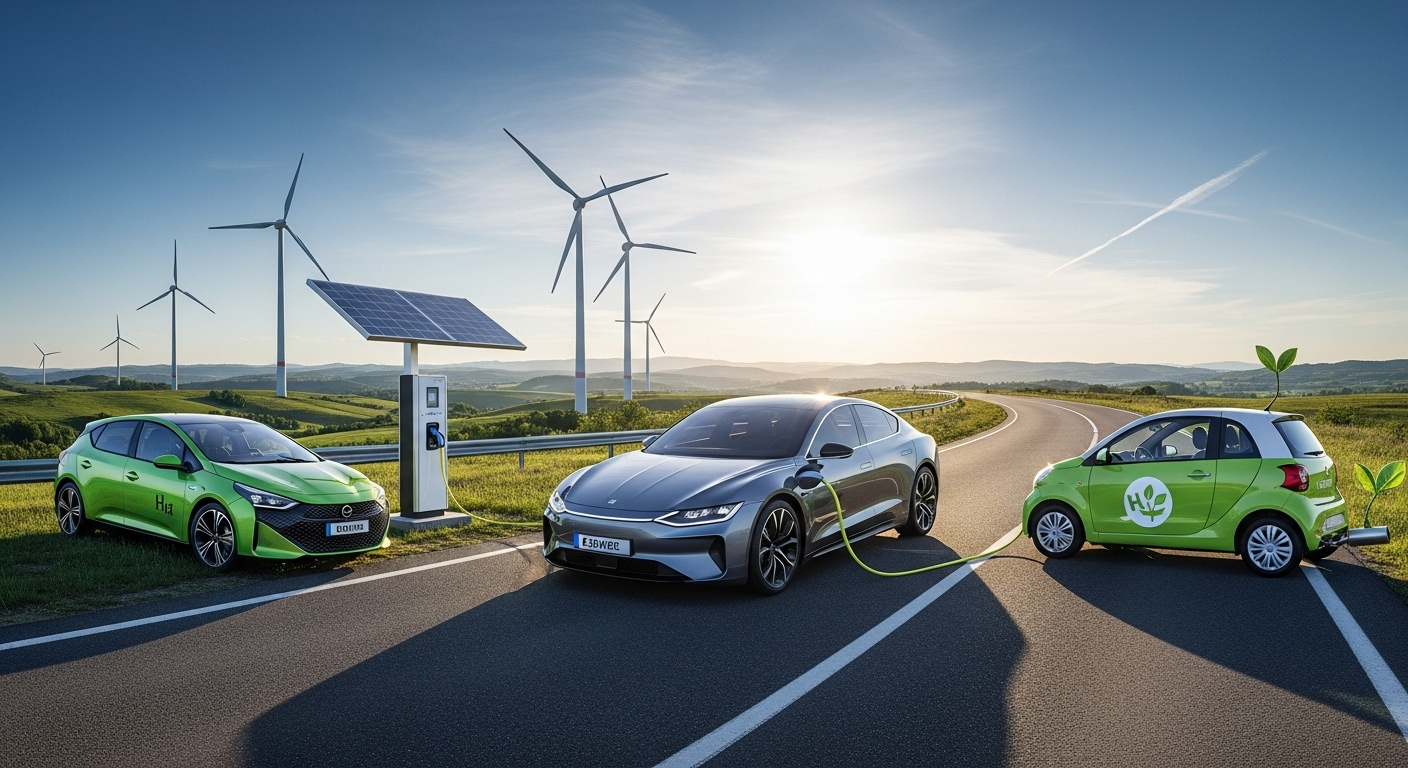
So, electric cars are getting all the buzz (pun intended?), and rightly so. They’re becoming more affordable, the range is increasing, and the charging infrastructure, while still a work in progress, is definitely improving. But batteries aren’t the only game in town. There are serious limitations to relying solely on batteries, from sourcing the raw materials to the charging times. That’s where alternative fuels come in. They offer other potential pathways to reduce our dependence on fossil fuels and shrink our carbon footprint. I think it would be better if they would be available at most gas stations too.
Hydrogen, for example, is gaining traction as a clean-burning fuel. The beauty of hydrogen is that when it’s used in a fuel cell, the only byproduct is water. Pretty neat, huh? The U.S. Department of Energy says that hydrogen fuel cells have zero emissions. The challenge? Producing hydrogen in a sustainable way (it’s often made from natural gas) and building the infrastructure to distribute it. It sounds easy, but it’s far from it.
Then there are biofuels. These are fuels derived from renewable biomass sources, like plants and algae. Biofuels can be used in existing internal combustion engines, which is a major advantage. No need to scrap all our current cars! But, there’s a catch. The large-scale production of biofuels can compete with food production and lead to deforestation. Sustainable sourcing is key here. Maybe algae is the answer? The frustrating thing about this topic is that there are so many “ifs” and “buts.”

The Rise of Eco-Friendly Cars
When we talk about eco-friendly cars, we’re not just talking about EVs. We’re talking about a whole range of vehicles designed with sustainability in mind. This includes hybrid vehicles, which combine a gasoline engine with an electric motor to improve fuel efficiency. And let’s not forget plug-in hybrids, which offer a limited electric range before switching to gasoline. New Technology is always improving, and that’s very exciting to me!
But here’s the thing: eco-friendliness isn’t just about the fuel source. It’s also about the manufacturing process, the materials used, and the vehicle’s overall lifecycle impact. Are the batteries ethically sourced? Are the car’s components recyclable? These are the questions we need to be asking. Automakers are increasingly focused on these issues, using recycled materials, reducing waste, and designing cars that are easier to disassemble and recycle at the end of their lives.
Think about it this way: it’s not enough to drive a zero-emission car if that car was built in a factory that pollutes the environment. It’s about the whole picture. So that means buying an EV is not always the best alternative.
Challenges and Opportunities in Sustainable Mobility
Okay, so sustainable mobility sounds great in theory. But what are the real-world challenges? Well, for starters, there’s the infrastructure problem. We need more charging stations for EVs, more hydrogen refueling stations, and better distribution networks for alternative fuels. That’s a huge investment. And that investment will need to be a combined effort from both private and government sectors.

Then there’s the cost factor. Eco-friendly cars are often more expensive than their conventional counterparts, although this is changing as technology improves and production scales up. Governments can play a role here, offering incentives and subsidies to make sustainable transportation more accessible. And in some cases, they already are. But those incentives change over time.
But here’s something even more interesting. The future of sustainable mobility isn’t just about cars. It’s also about rethinking how we design our cities and transportation systems. Promoting walking, cycling, and public transportation are all key to reducing our reliance on private vehicles. I remember when cities were designed around cars, not people. Thankfully, that’s changing.
And let’s not forget the role of technology. Self-driving cars, ride-sharing services, and smart traffic management systems all have the potential to make transportation more efficient and sustainable. Maybe someday we won’t even need to own a car. Think about it.
And the rise of new technologies means better experiences overall. Check out Crazy Games for new games. You might be wondering what a gaming site has to do with transportation, but tech is improving everyday! Also, here is another great article from the pool: Great Tech.

FAQ: Sustainable Mobility Unpacked
How do I know if an electric car is really more sustainable than a gasoline car?
That’s a great question! It’s not as simple as comparing tailpipe emissions. You need to consider the entire lifecycle of the vehicle, from manufacturing to disposal. This includes the energy used to produce the car, the materials used, and the emissions generated during battery production and disposal. Generally, EVs have a lower carbon footprint than gasoline cars, but it depends on the source of electricity used to charge the battery. If you’re charging your EV with electricity from a coal-fired power plant, the environmental benefits are less significant.
Why aren’t we all driving hydrogen cars already?
Hydrogen cars have a lot of potential, but there are some significant hurdles to overcome. As I mentioned, producing hydrogen sustainably is a challenge. Most hydrogen is currently produced from natural gas, which isn’t exactly a clean process. The other issue is infrastructure. We need more hydrogen refueling stations, and they need to be strategically located to make hydrogen cars practical for everyday use. Also, hydrogen storage and transportation can be tricky.
Are biofuels really a sustainable alternative to gasoline?
Biofuels can be sustainable, but it depends on how they’re produced. The key is to avoid biofuels that compete with food production or lead to deforestation. Sustainable biofuels are made from waste materials, like agricultural residues or algae. These sources don’t require additional land or resources. The industry needs better practices to compete in the market!
What is “range anxiety” and how can I overcome it?
Range anxiety is the fear of running out of battery power in an electric car before you can reach a charging station. It’s a common concern for EV drivers, especially those who are new to electric vehicles. The best way to overcome range anxiety is to plan your trips carefully and know where charging stations are located. There are several apps and websites that can help you find charging stations along your route. Also, as battery technology improves, the range of electric cars is increasing, which makes range anxiety less of a concern.
So, where does all this leave us? Sustainable mobility isn’t just a buzzword. It’s a complex, evolving field with the potential to transform how we live and move. It requires a combination of technological innovation, policy changes, and individual choices. It won’t be easy, and there will be plenty of challenges along the way. But the destination – a cleaner, more sustainable future – is worth the effort.