
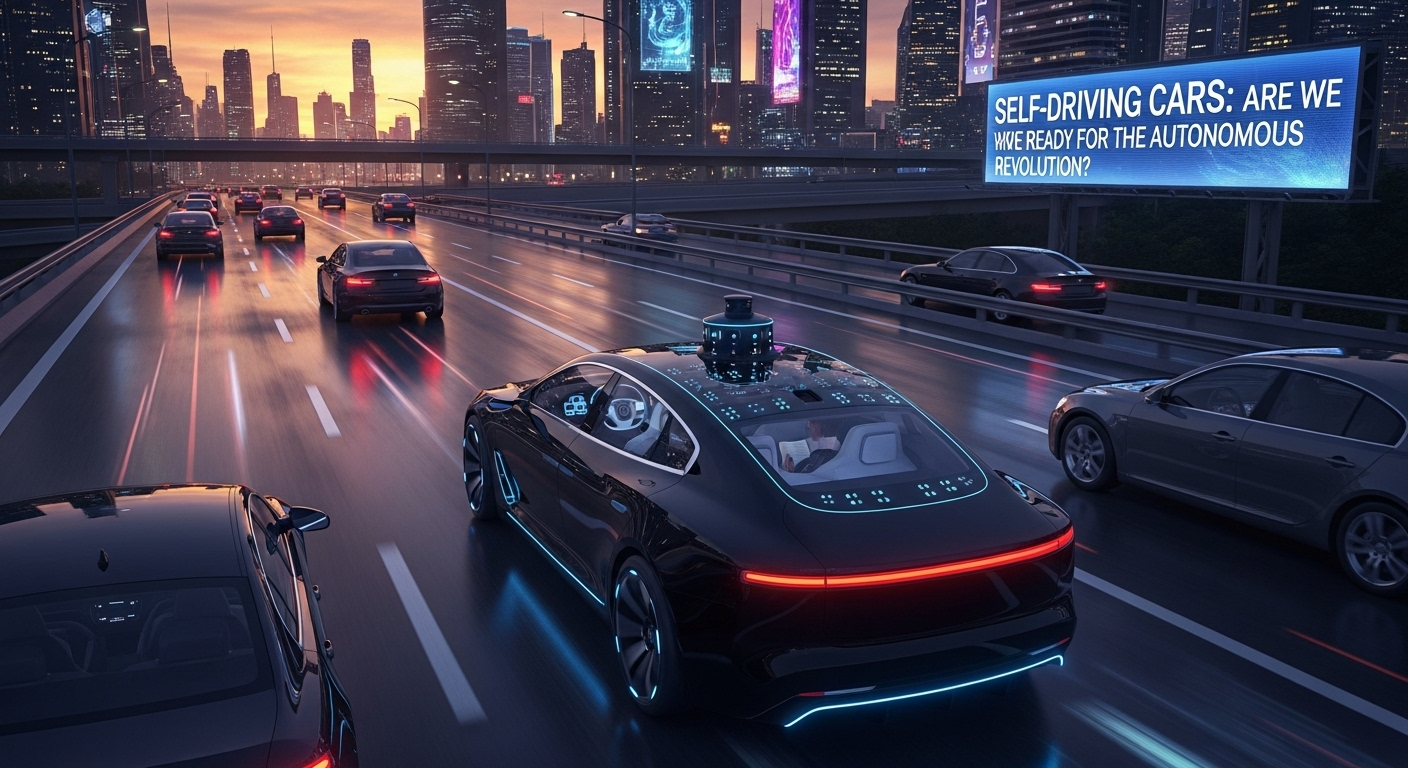
Okay, let’s be real. Self-driving cars. It sounds like something straight out of The Jetsons, doesn’t it? But it’s not just a cartoon fantasy anymore. We’re talking about actual cars, navigating roads, without a human driver at the wheel. Pretty wild, right? I mean, I still get nervous parallel parking, so the idea of a car just…doing it all…well, it blows my mind a little.
But here’s the thing: Are we really ready for it? Like, as a society? Because technology is only half the battle. The other half? That’s us. Our laws, our infrastructure, and, honestly, our collective mindset. It’s a lot to unpack. Actually, that’s not quite right, it’s a mountain to unpack! Have you ever considered what happens if a self-driving car gets into an accident? Who’s at fault? The programmer? The manufacturer? The…car itself?
The Ethics of Algorithmic Decisions
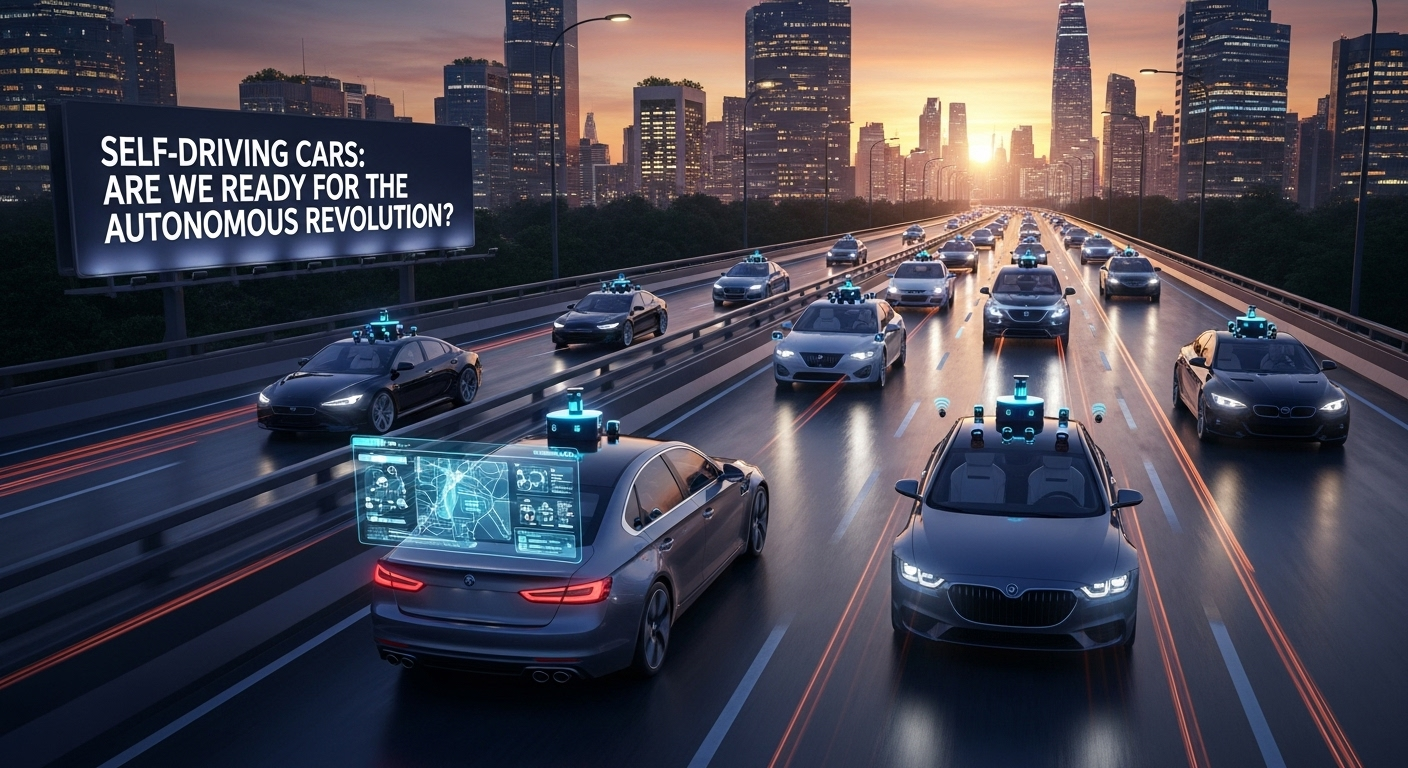
This is where things get really interesting, and maybe a little bit unsettling. Self-driving cars aren’t just reacting; they’re making decisions based on algorithms. Let me try to explain this more clearly. In a split-second, a car might have to decide between two bad outcomes – say, swerving to avoid a pedestrian and potentially hitting another car. The algorithm has to weigh these options. It’s essentially making an ethical judgment call. But who programmed that ethical framework? And what values are embedded in it?
Think about it this way: is it programmed to prioritize the safety of its passengers above all else? Or is it designed to minimize overall harm, even if that means sacrificing the car’s occupants? These are heavy questions. The frustrating thing about this topic is there are no easy answers. And honestly, I suspect we’ll be debating these issues for years to come.
And the potential for bias in these algorithms is another huge consideration. Are they trained on data that reflects the diversity of our society? Or are they more likely to make mistakes in certain neighborhoods or with certain types of pedestrians? As highlighted in a Brookings Institution report, AI systems can perpetuate existing societal biases if not carefully developed and monitored.

Infrastructure: More Than Just Roads
Okay, so let’s say we solve the ethical dilemmas (a big if, I know). We still have to deal with our crumbling infrastructure. Seriously, have you seen some of these roads? Potholes the size of small cars! And faded lane markings that disappear in the rain. Self-driving cars rely on sensors and mapping data. How well are they going to function on roads that are barely functional to begin with?
It’s not just about the roads, either. What about the digital infrastructure? Self-driving cars need to communicate with each other and with traffic management systems. That requires reliable, high-speed internet connectivity. And that’s not a given in many parts of the country. We need to invest in upgrading our infrastructure – both physical and digital – if we want to truly embrace the autonomous revolution.
But here’s the thing: the existing infrastructure might not even be compatible with these cars. Which brings me to a completely different topic – the iPhone 16! (Okay, just kidding, but it reminds me that connectivity is essential). Back to my main point: this overhaul will require considerable investment and a lot of political will.
The Job Market Shake-Up
You might be wondering, “What about all the truck drivers, taxi drivers, and delivery drivers?” And that’s a valid concern. The rise of self-driving cars will undoubtedly disrupt the job market. Millions of jobs could be at risk. What happens to these people? Do they get retrained for new careers? Do we create new social safety nets? I initially thought X, but after looking deeper, X, Y, and Z also come into the picture.

We need to start planning for this now. We can’t just blindly embrace automation without considering the human cost. Otherwise, we risk creating a society where the benefits of technology are concentrated in the hands of a few, while leaving many others behind.
During my years following the tech industry, I’ve seen these types of massive shifts before. And what’s interesting is that while some jobs disappear, new ones inevitably emerge. The key is being proactive and investing in education and training to prepare people for the jobs of the future. Also see the Suzuki GSX-8R 2025 review, which is relevant because technology keeps moving on!
FAQ: Your Self-Driving Car Questions Answered
How safe are self-driving cars compared to human drivers?
That’s the million-dollar question, isn’t it? The data is still emerging, but early studies suggest that self-driving cars could be safer than human drivers in certain situations. They don’t get distracted by texting, they don’t drive under the influence, and they don’t experience road rage. However, they also have limitations. They can struggle in adverse weather conditions, and they might not be able to handle unexpected situations as well as a human driver. The long-term safety record is still unknown, and a lot depends on how quickly the technology improves and how effectively it’s regulated.
What happens if a self-driving car malfunctions?
This is a very real concern. The answer depends on the specific malfunction and the design of the car. Some self-driving cars have redundant systems that can take over in case of a failure. Others are designed to safely pull over to the side of the road. But there’s always the risk of a catastrophic failure. That’s why it’s crucial to have robust testing and safety standards in place.

Will self-driving cars eliminate traffic jams?
Potentially, yes! The theory is that if all cars were self-driving and connected, they could optimize traffic flow and reduce congestion. They could communicate with each other to maintain optimal speeds and spacing, and they could react to changes in traffic conditions much faster than human drivers. Of course, this requires widespread adoption of self-driving cars. And it also depends on how effectively the traffic management systems are designed and implemented. But the potential is definitely there.
Self-Driving Cars: Are We Ready for the Autonomous Revolution?
That’s exactly what we’re talking about here! While the technology races ahead, the reality of our current infrastructure and regulations lags behind. There’s a real possibility that self-driving cars could get into accidents if they have to navigate complicated roadways.
So, are we ready for the autonomous revolution? The technology is rapidly advancing, and the potential benefits are enormous. But we need to address the ethical, infrastructural, and societal challenges before we can truly embrace this technology. It’s not just about building self-driving cars; it’s about building a society that’s ready for them.