

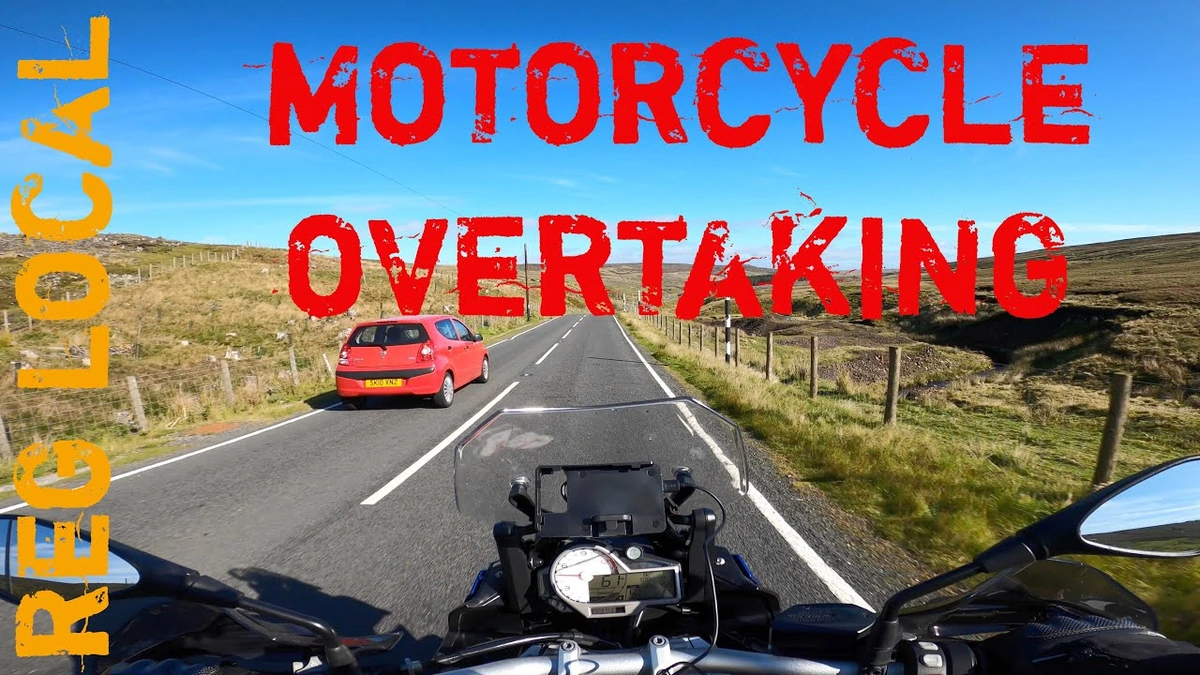
Let’s be honest, we’ve all been there. Stuck behind a slow-moving vehicle, the open road beckoning in the next lane. The question pops into your head: should I just go for it? Is changing lanes to overtaking a golden ticket to faster travel, or a highway to hell paved with bad decisions? It seems a straightforward question, but the truth is, it’s steeped in driving culture, traffic laws, and a healthy dose of common sense. I initially thought this was straightforward, but then I realized it’s much more nuanced when you consider the Indian context. Buckle up; we’re diving deep.
The Letter of the Law | What the Rules Say About Overtaking
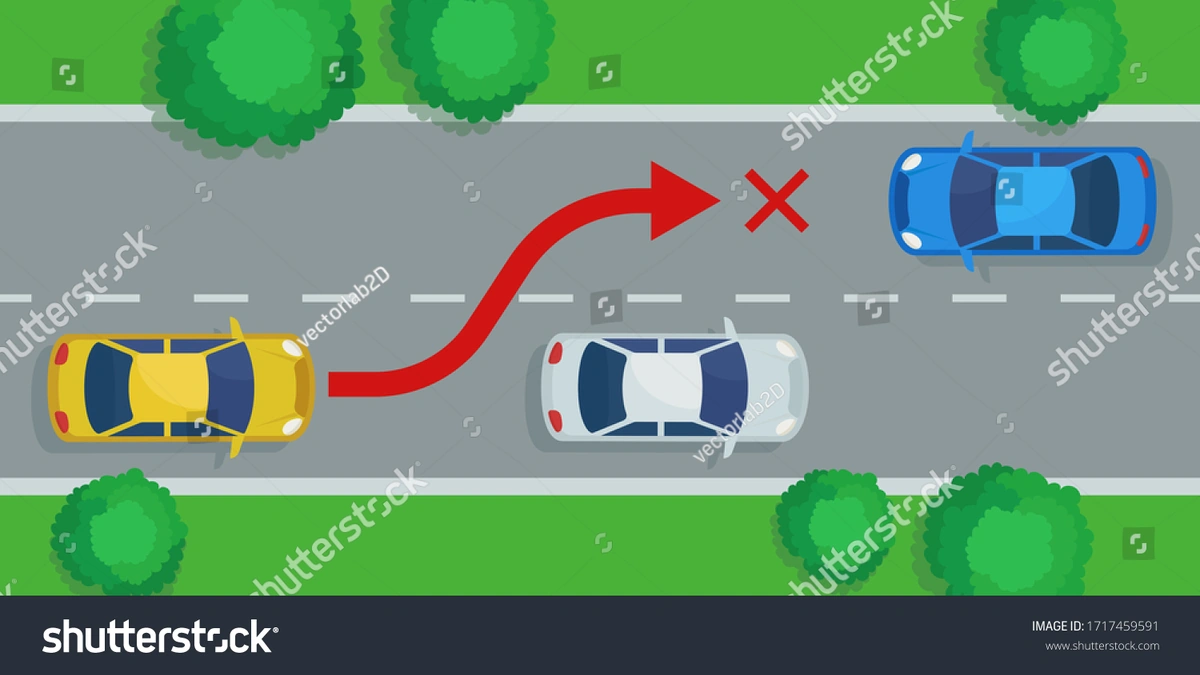
So, what do the official rules say about overtaking in India? Well, it’s not as simple as a yes or no answer. The Motor Vehicles Act and related regulations lay down some guidelines, but they are often open to interpretation and vary slightly from state to state. Here’s the thing: the core principle is always safety. The law generally permits overtaking, but only when it can be done without endangering other road users. This is where things get tricky. A common mistake I see people make is assuming that if there’s space, it’s safe. Nope! Visibility, road conditions, and the speed of surrounding vehicles all play a crucial role.
According to the Indian traffic rules, you’re supposed to overtake from the right. It might sound counterintuitive, especially if you’re used to driving in countries where overtaking on the left is the norm. However, there are specific situations where overtaking from the left is allowed, such as when the vehicle in front is signaling to turn right or is positioned to do so. It’s this kind of flexibility (and ambiguity) that creates the “myth or reality” dilemma in the first place. Indian Automobile Market
The Unspoken Rules | The Overtaking Etiquette of Indian Roads
Now, let’s talk about the real world. The official rules are all well and good, but Indian roads have their own set of unspoken rules – a kind of chaotic etiquette that seasoned drivers learn to navigate. This is where the ‘reality’ part of our question comes into play. What fascinates me is how drivers negotiate space and speed, often relying on a mix of instinct, experience, and a bit of daredevilry. Honking, flashing headlights, and aggressive maneuvering are all part of the game.
Here’s the thing about overtaking maneuvers in India: it is rarely a smooth, predictable affair. You’ll encounter everything from overloaded trucks lumbering along at snail’s pace to motorcycles weaving through traffic like angry hornets. And let’s not forget the stray animals, potholes, and sudden U-turns that can appear out of nowhere. Therefore, you really must have to concentrate during your driving time and you need to have lots of patience. Therefore, the reality of Indian roads requires a degree of defensive driving that goes beyond what any textbook can teach you.

Overtaking | When to Do It, When to Dodge It
So, how do you decide when to commit to an overtaking maneuver and when to hold back? I initially thought this was straightforward, but then I realized that, in India, it’s an art form. First and foremost, assess the situation. Is there enough visibility? Are there any oncoming vehicles? Is the road surface in good condition? A good rule of thumb is, if you have even a sliver of doubt, don’t do it. It’s better to lose a few minutes than to risk an accident. Consider the overtaking distance required. Account for not just your vehicle’s speed, but the speed of the vehicle you intend to pass and any approaching vehicles. Many accidents occur because drivers misjudge distances and find themselves in a tight spot.
Moreover, make sure that your vehicle is up to the task. Attempting to overtake safely in a vehicle with poor acceleration or worn tires is a recipe for disaster. And, for goodness’ sake, signal your intentions clearly. Use your indicators to let other drivers know what you’re planning. Don’t just assume they can read your mind (although, on Indian roads, it sometimes feels like drivers expect you to!).
The Psychology of Overtaking | Why We Do It
Let’s delve a little deeper. Why are we so driven to overtake in the first place? What’s the psychology behind it? The urge to overtake is rooted in a combination of factors. There’s the obvious desire to reach our destination faster, but there’s also a sense of frustration and impatience that can build up when we’re stuck behind a slow-moving vehicle. It is an attempt to exert control over the situation. It’s about reclaiming a sense of agency on the road. Vehicle Dealers .
However, it’s important to recognize these impulses and to keep them in check. The need for speed should never outweigh the need for safety. Remember, arriving a few minutes later is always better than not arriving at all. Consider safe passing techniques when driving on a busy road.

Changing lanes for overtaking | A concluding thought
So, is changing lanes to pass a myth or reality in driving? It’s both. Legally permissible under specific, safe conditions, but often bent or broken in the chaotic reality of Indian roads. The key is to approach each situation with caution, common sense, and a healthy respect for the potential dangers. Remember, the road is a shared space, and we all have a responsibility to drive safely and responsibly. And maybe, just maybe, practice a little patience. Sometimes, the best way to get ahead is to simply go with the flow.
FAQ Section
Is it legal to overtake from the left in India?
Yes, but only in specific situations, such as when the vehicle in front is signaling to turn right or is positioned to do so.
What is the penalty for dangerous overtaking?
Penalties vary from state to state, but can include fines, license suspension, or even imprisonment in severe cases.
How do I safely overtake a truck on a highway?
Ensure you have a clear view of the road ahead, signal your intentions clearly, and accelerate briskly to pass the truck as quickly and safely as possible. Maintain a safe following distance afterwards.

What if I am being overtaken dangerously?
Maintain your speed and position, and allow the other vehicle to pass. Do not try to obstruct or impede their progress, as this could lead to an accident.
What are some of the risks of overtaking on a two-lane road?
Limited visibility, oncoming traffic, and the potential for misjudging distances are all significant risks on a two-lane road. Always exercise extreme caution.