

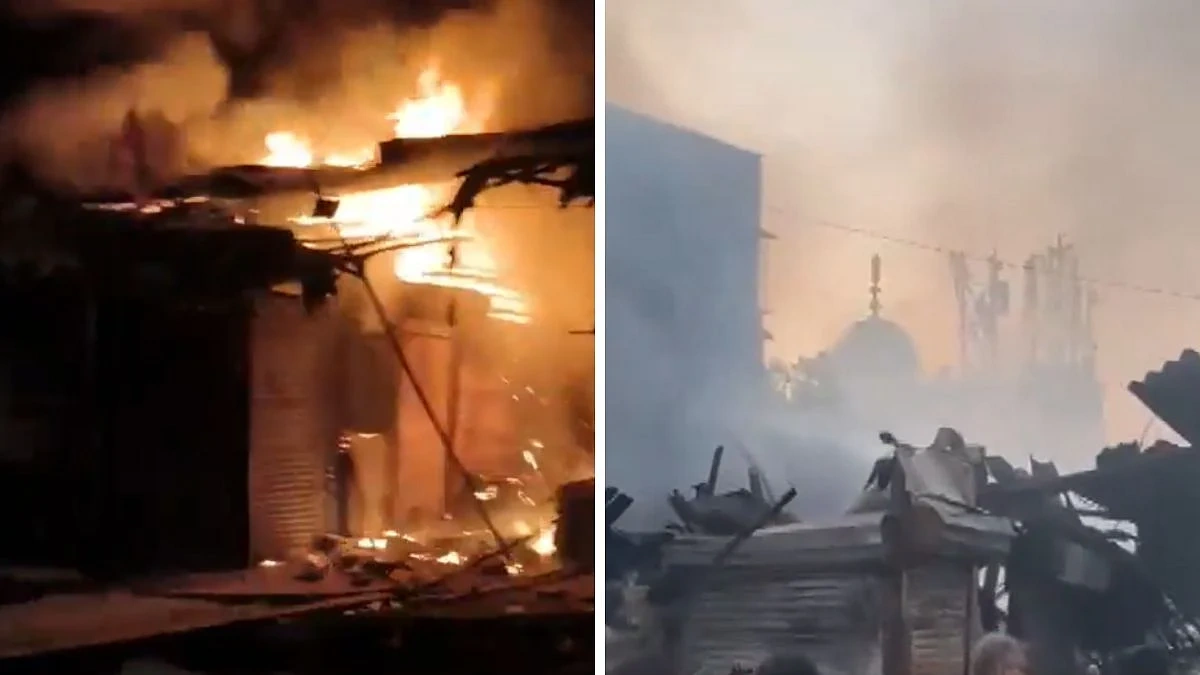
A massive fire ripped through Kurla West, Mumbai, engulfing approximately 20 auto shops in flames. Thankfully, initial reports indicate no casualties. But here’s the thing – a fire of this scale raises a lot of questions. It’s not just about the immediate damage; it’s about the ripple effect on the community, the businesses, and the underlying safety regulations (or lack thereof). Let’s dive into why this Kurla fire matters, what it means for the local economy, and what steps can be taken to prevent such incidents in the future. This isn’t just news; it’s a wake-up call.
The Immediate Aftermath | More Than Just Flames
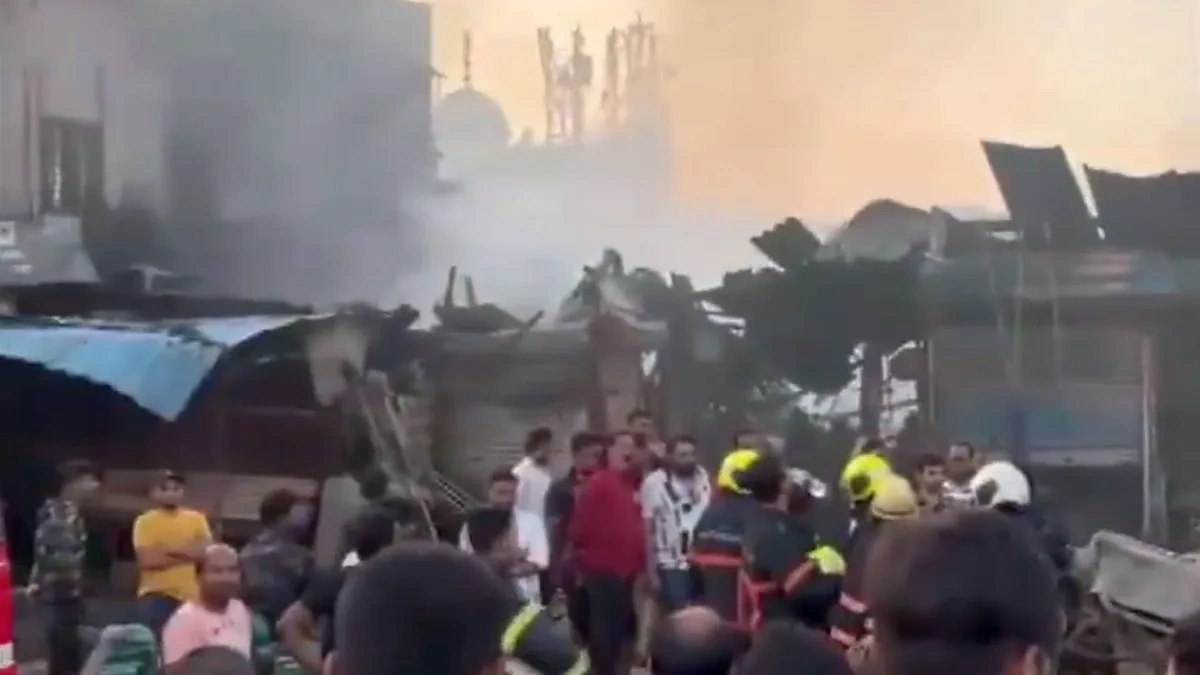
Okay, so the fire is out (or at least under control). But what next? The immediate aftermath involves assessing the damage, providing support to affected business owners, and launching an investigation into the cause. Early investigations suggest that a short circuit may have triggered the blaze, but we’ll need official confirmation from the fire department. What fascinates me is how quickly a situation can spiral out of control. One spark, one faulty wire, and suddenly livelihoods are up in smoke. The economic impact on these 20 auto shops is considerable, and their road to recovery will be long and arduous.
Why This Matters | Unpacking the Underlying Issues
Here’s where we get into the ‘why’. Why did this fire happen? Was it negligence? Were safety standards not up to par? Was there a lack of fire safety equipment ? These are the questions that need answers. Let’s be honest, such incidents often expose deeper systemic issues. Perhaps there’s inadequate enforcement of safety regulations in industrial areas like Kurla. Maybe there’s a lack of awareness among business owners about fire prevention measures. Or perhaps, there’s just plain old human error. Whatever the cause, understanding it is crucial to preventing future tragedies. According to the latest data from the National Crime Records Bureau (NCRB), accidental fires are a leading cause of property damage and economic loss in India. This statistic highlights the urgent need for better fire safety protocols across the country.
Preventative Measures | A Step-by-Step Guide for Businesses
So, what can be done? This is where the ‘how’ comes in. For business owners, implementing preventative measures is not just a good idea; it’s a necessity. Here’s a step-by-step guide to fire safety:
- Regular Inspections: Conduct routine inspections of electrical wiring and equipment. Look for frayed wires, loose connections, and overloaded circuits.
- Fire Extinguishers: Ensure you have readily accessible and fully functional fire extinguishers . Train employees on how to use them correctly.
- Smoke Detectors: Install smoke detectors throughout the premises and test them regularly.
- Emergency Plan: Develop a comprehensive emergency evacuation plan and conduct drills to ensure everyone knows what to do in case of a fire.
- Flammable Materials: Store flammable materials safely and away from potential ignition sources.
It might seem basic, but these measures can make a world of difference. A common mistake I see people make is neglecting regular maintenance. They install fire extinguishers and then forget about them until it’s too late. Don’t let that be you.

The Emotional Toll | Rebuilding Lives and Livelihoods
Beyond the statistics and the safety protocols, there’s the human element. The emotional toll on the business owners who lost their shops and their employees who lost their jobs is immeasurable. That moment of panic when you realize everything you’ve worked for is going up in flames… We can only imagine how devastating it must be. This is where community support becomes vital. Financial assistance, counseling services, and practical help with rebuilding efforts can make a huge difference in helping people get back on their feet. This isn’t just about bricks and mortar; it’s about rebuilding lives and restoring hope. Local authorities must provide swift and effective assistance to the affected businesses to facilitate their recovery. Small and medium-sized enterprises (SMEs) are the backbone of the Indian economy, and supporting them in times of crisis is crucial for maintaining economic stability. Consider donating to local charities providing relief to Kurla fire victims.
The Role of Local Authorities | Accountability and Enforcement
Speaking of local authorities, accountability is key. Were building codes followed? Were regular safety inspections conducted? Were there any red flags that were ignored? These questions need to be answered transparently. Furthermore, enforcement of existing regulations is crucial. It’s not enough to have rules on the books; they need to be actively enforced to ensure compliance. This requires a multi-pronged approach involving regular inspections, strict penalties for violations, and public awareness campaigns to educate businesses and residents about fire safety. It’s also important for authorities to provide adequate resources to the fire department, ensuring they have the equipment and personnel needed to respond effectively to emergencies. The speed and efficiency of the fire department’s response can significantly impact the extent of the damage and the number of lives saved.
The Bigger Picture | Fire Safety in Urban India
This Kurla fire is, unfortunately, not an isolated incident. Fires in densely populated urban areas are a recurring problem in India. Overcrowding, poor infrastructure, and inadequate safety standards contribute to the risk. Addressing this requires a comprehensive approach that includes urban planning reforms, stricter enforcement of building codes, and increased investment in fire safety infrastructure. It also requires a shift in mindset, from reactive firefighting to proactive fire prevention. We need to move beyond simply responding to fires after they happen and start taking steps to prevent them in the first place. Let me rephrase that for clarity: prevention is far better – and far cheaper – than cure.
I initially thought this was straightforward reporting, but then I realized the potential for deeper analysis. The lessons learned from this Mumbai fire incident can be applied across the country. Ensuring buildings have adequate fire suppression systems is key to fire prevention. Proper storage of combustible materials is also necessary. Furthermore, electrical safety audits are necessary.

So, as the dust settles in Kurla West, let’s not just focus on the immediate damage. Let’s use this as an opportunity to examine the underlying issues, implement preventative measures, and ensure that such tragedies are less likely to occur in the future. And in doing so, remember that every single life matters.
FAQ
What caused the Kurla Fire?
Early investigations suggest a short circuit may have been the cause, but official confirmation is pending.
What should business owners do after a fire?
Assess damage, contact insurance, and seek support from local authorities.
How can businesses prevent fires?
Regular inspections, fire extinguishers, smoke detectors, and emergency plans are essential.

What is the role of local authorities?
Enforce building codes, conduct safety inspections, and provide resources to the fire department.
Where can affected business owners seek help?
Local charities, government agencies, and community organizations can provide assistance.
What if a business doesn’t have fire insurance?
Explore government assistance programs and seek support from community organizations.
Click here to read more about similar news.