

Let’s be honest, the stock market can feel like a giant, opaque machine. We see the prices go up and down, but understanding why can be incredibly difficult. One window into a company’s potential future – a slightly controversial one, I’ll admit – is through the lens of insider transactions . What are the folks running the show doing with their own money? Are they buying, selling, or holding? And what can we, as regular investors in India, glean from their actions, especially when we’re looking at a company like Automobile Corporation of Goa Limited (ACG)? It’s more than just following the herd; it’s about understanding the signals.
Decoding Insider Trading | What It Really Means
So, what exactly is insider trading? The legal definition is complex, but, in essence, it refers to the buying or selling of a company’s securities by individuals who have access to material, non-public information about the company. This information could be anything from upcoming earnings reports to major product launches, or, well, anything that could significantly affect the stock price. Now, not all insider trading is illegal. It’s perfectly legal for company executives and directors to buy and sell shares of their own company, as long as they report these transactions to the regulatory authorities, in India that would be SEBI (Securities and Exchange Board of India). Think of it as the difference between knowing something because you’re on the inside and exploiting that knowledge for unfair gain.
Here’s the thing, when corporate insiders buy shares, it could signal that they believe the company is undervalued and that the stock price is likely to rise. Conversely, if they’re selling, it might suggest they think the stock is overvalued or that the company faces challenges ahead. But – and this is a big ‘but’ – it’s crucial to remember that insiders sell shares for various reasons, not all of which are negative. They might need cash for personal expenses, diversification, or other investment opportunities. Therefore, relying solely on insider trading activity to make investment decisions is a risky proposition. However, analysing these transactions alongside other financial data can provide valuable insights into a company’s prospects. According to Investopedia (https://www.investopedia.com/terms/i/insidertrading.asp) , it is important to note that true illegal insider trading involves acting on non-public information.
ACG’s Performance and the Automotive Sector in India
Automobile Corporation of Goa Limited, as the name suggests, operates in the automotive component sector. To properly understand the significance of ACG’s insider trading activity , we need to zoom out and look at the bigger picture of the automotive industry in India. The Indian auto sector has seen its share of ups and downs in recent years, influenced by factors such as economic growth, government policies, changing consumer preferences, and global events like the chip shortage (remember that?). What fascinates me is how companies navigate these challenges. Are they adapting to the rise of electric vehicles? Are they investing in new technologies? Are they expanding their market reach? ACG’s strategic decisions in these areas will significantly impact its future performance.
The auto sector is also highly cyclical, meaning it tends to perform well during economic booms and struggle during recessions. So, any significant insider buying or selling should be considered in the context of the overall economic outlook and the specific challenges and opportunities facing the automotive industry. Let me rephrase that for clarity: just because an insider bought shares doesn’t automatically mean the company is a guaranteed winner. We need to dig deeper.

Analyzing Recent Insider Transactions at ACG
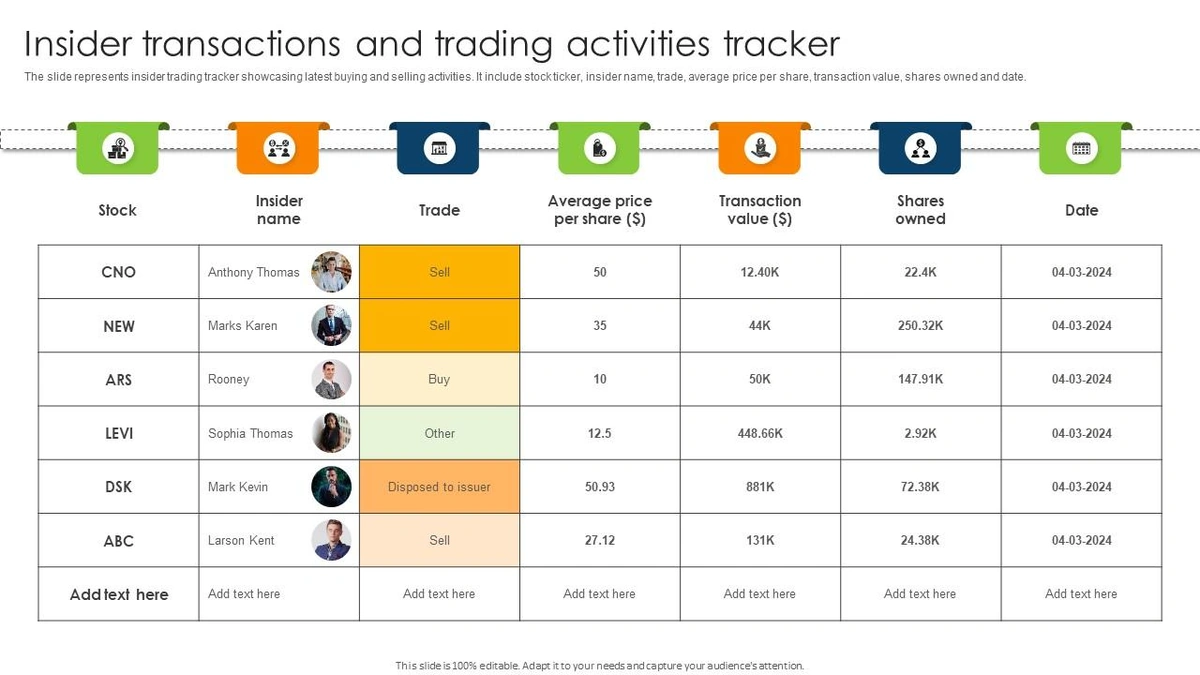
Okay, let’s get down to brass tacks. What have the insiders at ACG been up to recently? While I can’t provide real-time, up-to-the-minute data (that information is usually available on financial websites and regulatory filings), it’s crucial to look for patterns and trends. Have there been any large-scale purchases or sales by key executives? Is there a consistent pattern of buying or selling over the past few months? Are any particular individuals consistently buying or selling shares? These are the types of questions we need to ask.
A common mistake I see people make is focusing solely on the volume of shares traded. A small purchase by a CEO might be more significant than a large sale by a minor shareholder. Why? Because the CEO is likely to have a much better understanding of the company’s inner workings and future prospects. Always consider the who behind the transaction. But, of course, also consider the why. Has the CEO recently exercised a large number of stock options, thus needing to sell some shares to cover the tax bill? That completely changes the narrative.
The ‘Why’ Behind the Buys and Sells
This is where the real detective work begins. We need to try to understand the motivations behind the insider transactions. Are there any upcoming events that could explain the activity? For example, is the company about to announce a major new contract or product launch? Is there a potential merger or acquisition in the works? Or, on the flip side, is the company facing regulatory challenges or declining sales? If you can find a plausible explanation for the insider trading activity, it can help you assess whether it’s a genuine signal of future performance or simply noise.
The one thing you absolutely must double-check is the timing of the transactions. Did the insider buy shares shortly before a positive earnings announcement? Or did they sell shares just before a negative news event? If so, it could raise concerns about potential illegal insider trading. It’s also important to compare ACG’s insider trading activity with that of its competitors. Are insiders at other automotive companies also buying or selling shares? This can give you a broader perspective on the industry’s outlook.

Using Insider Trading Data Responsibly
Let’s be clear: Insider trading data is just one piece of the puzzle. It should never be used in isolation to make investment decisions. Instead, it should be combined with other financial analysis, such as fundamental analysis (examining the company’s financial statements) and technical analysis (studying stock price charts). Remember, the market can be irrational, and even the most well-informed insiders can be wrong. A sudden global event can change fortunes. Consider this data with a healthy dose of skepticism. I initially thought this was straightforward, but then I realized how much context matters. In the end, it’s about making informed decisions, not just blindly following what others are doing. Also, reading third-party financial analysis from reputable sources such as The Economic Times (https://economictimes.indiatimes.com/) , can help you get a better sense of trends and analysis.
In conclusion, analyzing insider transactions, particularly in companies like Automobile Corporation of Goa Limited, offers a valuable, albeit imperfect, glimpse into the minds of those closest to the business. By understanding the ‘why’ behind these transactions, considering the broader context of the automotive sector in India, and using this data responsibly alongside other financial analysis tools, investors can make more informed decisions. Don’t just follow the insiders; understand them. And remember, the market is a complex beast, so always do your own research and seek professional advice when needed.
FAQ
What exactly are insider transactions?
Insider transactions are when a company’s directors, officers, or anyone with privileged access to company information buys or sells the company’s stock.
Is all insider trading illegal?
No, not all insider trading is illegal. It’s legal as long as insiders report their trades to the regulatory authorities. It becomes illegal when someone uses non-public information for their own gain.

Where can I find insider trading data for Automobile Corporation of Goa Limited?
You can find insider trading data on the websites of stock exchanges and regulatory authorities like SEBI in India.
Can I make investment decisions based solely on insider trading data?
No, you should not make investment decisions based solely on insider trading data. It should be used as one factor among many in your overall analysis. Always consult with a qualified financial advisor.
What does it mean if insiders are selling a lot of shares?
It could mean they think the stock is overvalued, or they might need the money for other reasons. It’s not always a bad sign, but it’s worth investigating further.
What if I am uncertain about my investment?
If you are uncertain, it is always wise to consult a financial expert and do thorough research before investing. Investing always involves risk and consulting professionals is always a good idea!