

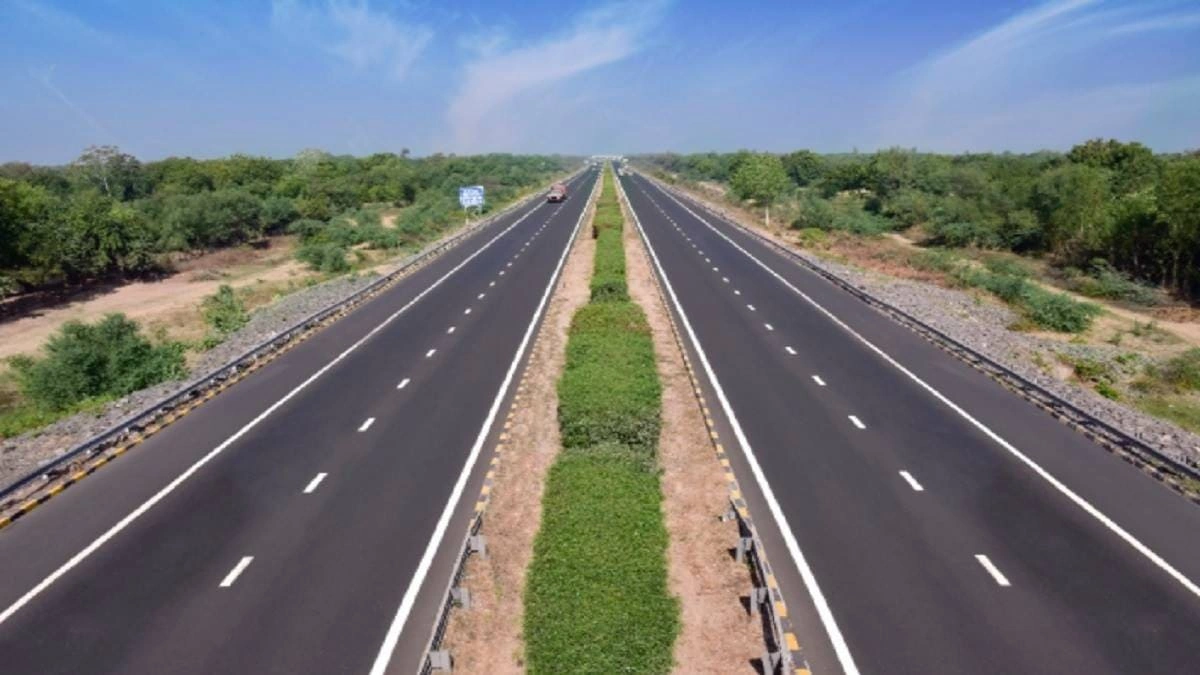
Okay, let’s be honest. The Japan Mobility Show 2025 might sound like it’s all about futuristic flying cars and robots that make your chai. And, yeah, there’ll probably be some of that. But what fascinates me what should fascinate anyone living in India is what it all means for our very own roads. Forget the sci-fi fluff; let’s talk about the rubber actually meeting the road here at home.
We’re not just talking about fancier cars; we’re talking about a potential revolution in how we build, manage, and experience our infrastructure. I’m going to dig into why this show matters and how innovations showcased there could reshape the Indian roads we navigate every single day. Consider this your insider’s guide, minus the jargon and plus a healthy dose of real-world perspective. Indian infrastructure development is taking pace, and this event is a great way to get insight into it.
The “Why” | Beyond the Shiny New Gadgets
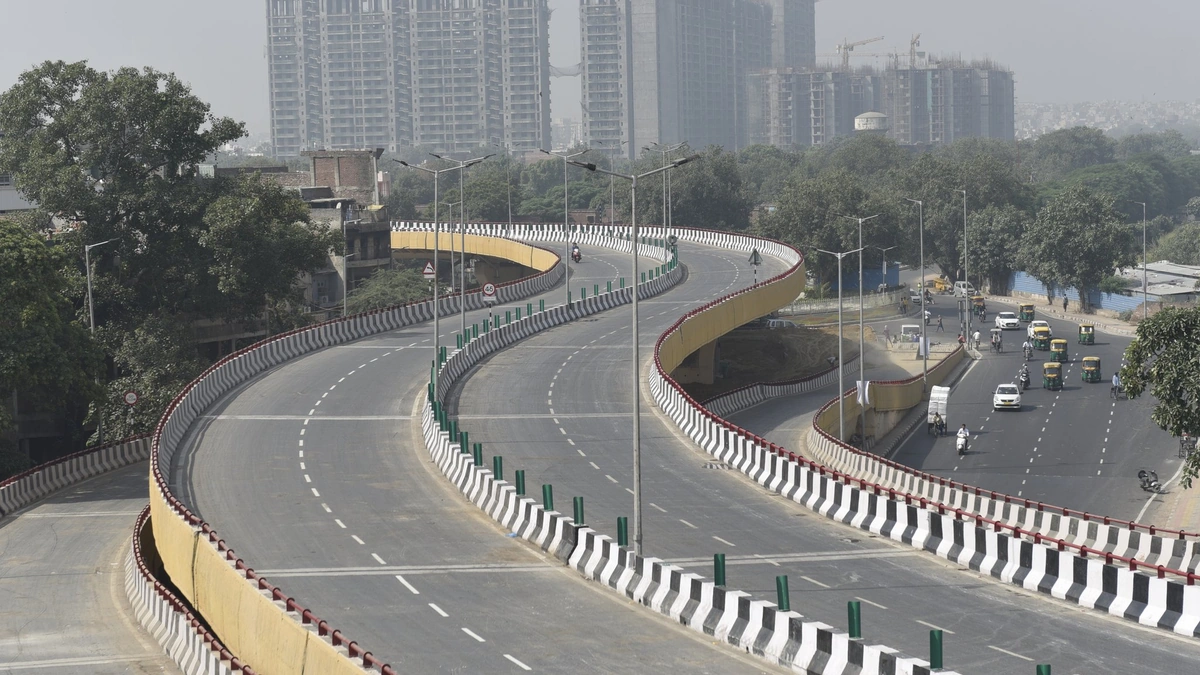
So, why should anyone in India care about a motor show happening halfway across the world? It’s simple: technology transfer and inspiration. Japan has a knack for efficient, durable infrastructure. Looking at their advancements gives us a peek at solutions that could tackle some of our biggest challenges. Think about it. Potholes that magically repair themselves? Traffic management systems that actually work? That’s not a pipe dream; it’s potentially on the horizon.
The ‘why’ also extends to policy. What new regulations and standards are emerging around the globe, and how can India proactively align to benefit from global collaboration and investment? Ignoring these trends would be like trying to drive a bullock cart on the Autobahn – charming, maybe, but ultimately, not very effective. Let’s not underestimate the importance of international automotive events .
How Materials Science is Set to Transform Indian Highways
This is where things get really interesting. Forget just slapping down more asphalt. We’re talking about smart materials – self-healing concrete, polymers that can withstand extreme temperatures, and even road surfaces that generate electricity. A common mistake I see is thinking that advancements only applies to vehicles. Nope. The infrastructure itself is being reinvented. Let me rephrase that for clarity – the very stuff our roads are made of is about to get a whole lot smarter.

The use of sustainable road construction techniques, such as incorporating recycled materials, will also be highlighted. Imagine roads that last longer, require less maintenance, and even contribute to our energy grid. It sounds like something out of a movie, right? But honestly, it is closer than you think.
The Emotional Angle | A Smoother Ride Ahead
Think about the last time you hit a pothole so big it felt like your car was swallowed whole. Or the endless traffic jams that make you question your life choices. Yeah, we’ve all been there. But what if I told you that the future holds the promise of a smoother, safer, and less stressful commute? That’s the emotional core of this whole thing. It’s not just about technology; it’s about improving the quality of life for millions of Indians. Check out this link to learn more. It’s about time we start expecting better roads.
We can dream about driverless cars and hyperloops, but let’s not ignore the immediate upgrades that can make a tangible difference in our daily routines. From using better quality materials to implementing improved traffic management systems, we have the potential to drastically improve road safety initiatives and reduce stress.
Navigating the Challenges | Adapting Global Innovations for India
Okay, here’s the thing: not every fancy innovation from Japan is going to work perfectly in India right out of the box. We have different climates, different traffic patterns, and, let’s be honest, different levels of enforcement when it comes to traffic rules. So, the key is adaptation. How can we take these global ideas and tweak them to fit our specific context? That’s where Indian engineers, policymakers, and entrepreneurs come in. It is important to consider environmental impact assessment .

For instance, self-healing concrete might need to be modified to withstand the monsoon season. Smart traffic management systems might need to account for the chaotic mix of vehicles on our roads. And those fancy electric vehicle charging stations? They’ll need to be robust enough to handle the occasional power outage. A crucial thing to think about: integrating advanced traffic management systems .
According to the World Bank website , investments in road infrastructure projects is expected to grow in the next 5 years.
The Road Ahead | What to Watch For
So, what should we be paying attention to as the Japan Mobility Show 2025 unfolds? Here are a few key areas:
- Sustainable Materials: Keep an eye out for innovations in road construction materials that are both durable and environmentally friendly.
- Smart Traffic Management: Look for systems that use AI and data analytics to optimize traffic flow and reduce congestion.
- Electric Vehicle Infrastructure: Pay attention to advancements in charging technology and the development of charging networks.
- Road Safety Technologies: Focus on innovations that enhance safety for all road users, from drivers to pedestrians.
The future of mobility is upon us and the Japan Mobility show gives a good look into what innovations can be integrated into India’s transport network.

I initially thought this was just another auto show with a bunch of concept cars, but then I realized it’s a potential blueprint for our future. What if it can influence the lives of millions of Indians? Let’s not just build roads; let’s build a better future.
FAQ Section
What are some challenges to consider when incorporating these technologies into Indian roads?
Adapting global innovations requires careful consideration of local conditions. Factors like varying climates, heavy traffic, and mixed vehicle types need to be addressed to ensure effective implementation.
How can India ensure that the new road technologies are environmentally sustainable?
India can focus on promoting the use of recycled materials in construction, adopting energy-efficient construction methods, and implementing sustainable drainage systems to minimize environmental impact.
What is the current state of road construction in India?
Road construction in India is rapidly expanding, with a focus on improving connectivity between cities and rural areas. However, challenges remain in terms of quality, safety, and sustainability. Visit this page for related content.
Where can I find information on new policies about the Indian infrastructure?
For the most up to date and accurate information, it is best to visit the official government sources. A lot of news outlets will not have the entire scope.


