
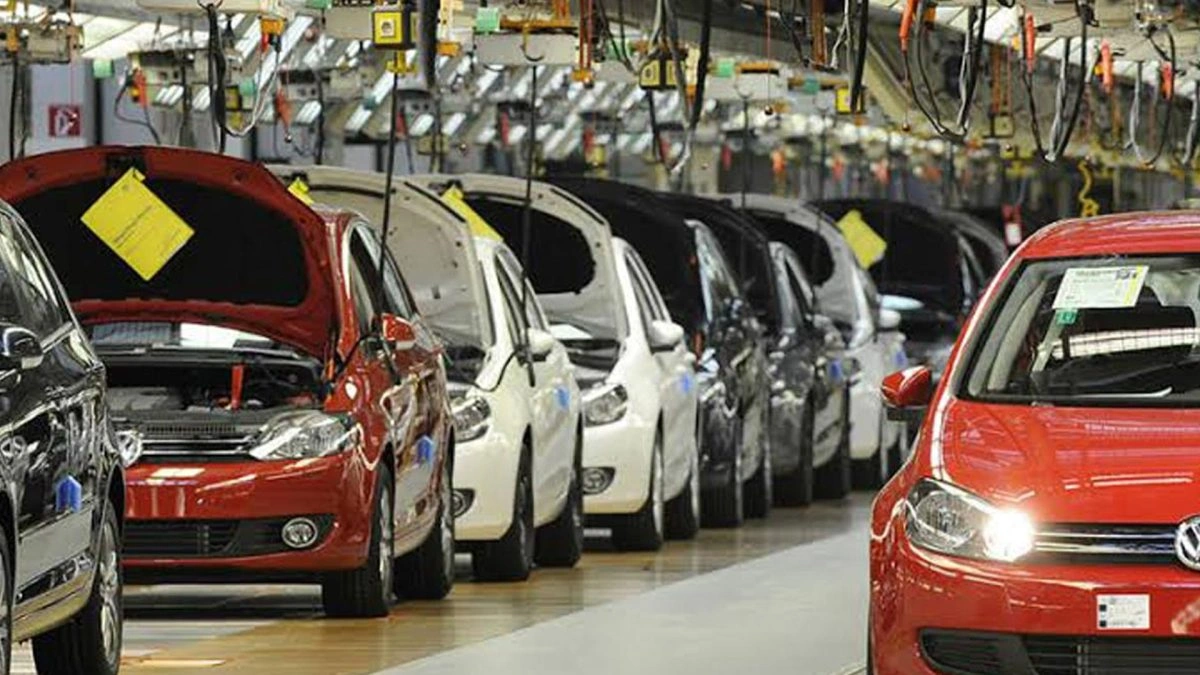
Okay, let’s talk cars – and a whole lot more. You’ve probably seen the headline: Nitin Gadkari , the Minister of Road Transport and Highways, announced that India is now the third-largest automobile market in the world. Sounds good, right? But here’s the thing: headlines often miss the real story. The Indian automotive industry’s journey to this milestone is a complex tale of government policy, consumer behavior, and global economic shifts. And what does this mean for the average person in India, really? That’s what we’re going to unpack.
Why India’s Automobile Market Ranking Matters
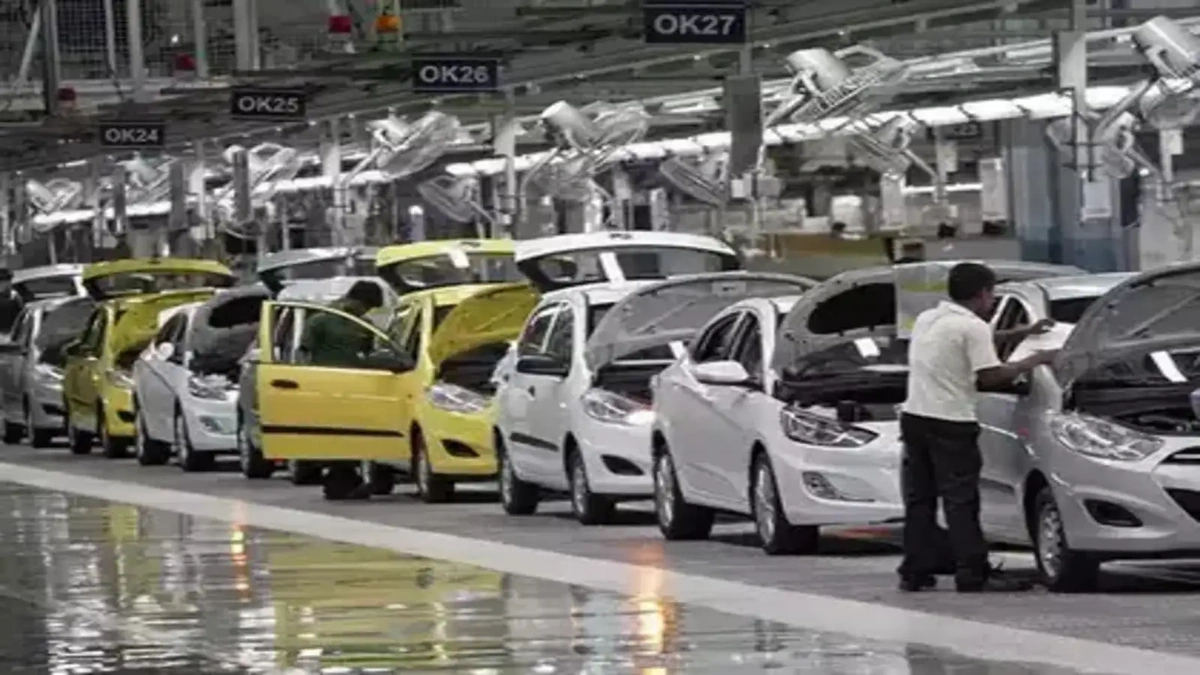
So, why should you care that India is the third-largest automobile market ? It’s not just about bragging rights. This ranking has serious implications for the Indian economy. Think jobs, manufacturing, and technological innovation. A thriving automobile sector acts as a powerful engine, pulling along numerous ancillary industries – from steel and plastics to electronics and software. And, of course, it generates significant tax revenue for the government.
The rise in vehicle sales indicates growing disposable incomes and consumer confidence, reflecting positively on the overall economic health of the nation. But , it also presents challenges. Increased vehicle ownership strains existing infrastructure, leading to traffic congestion and pollution. It also raises questions about road safety regulations . Addressing these challenges will be crucial to ensure sustainable growth in the sector. It involves investing in better public transportation, promoting electric vehicles, and enforcing stricter traffic laws.
What fascinates me is that this ranking also signals a shift in the global automotive landscape. For years, developed nations dominated the sector. Now, emerging markets like India are taking center stage. This means more opportunities for domestic manufacturers and suppliers, but also increased competition from international players. Learn more here .
The ‘Make in India’ Impact
The ‘Make in India’ initiative has been a game-changer. It’s not just about assembling cars here; it’s about encouraging local manufacturing of components and fostering innovation within the country. This has led to a significant reduction in import dependence and boosted domestic production. But , the real key is not just about making in India, but also about designing and innovating in India. We need to move up the value chain and develop indigenous technologies that can compete globally.
Plus, consider the ripple effect. A stronger domestic auto component industry means more jobs for skilled workers, engineers, and technicians. It also creates opportunities for small and medium-sized enterprises (SMEs) to thrive. The “Make in India” initiative has the potential to transform India into a global manufacturing hub, attracting foreign investment and creating a more competitive economy.

Challenges and the Road Ahead
Let’s be honest, it’s not all sunshine and roses. The India automobile market faces its share of challenges. Infrastructure bottlenecks, rising fuel prices, and fluctuating currency rates can all impact growth. And the transition to electric vehicles (EVs) presents both opportunities and hurdles.
The government’s push for electric vehicles is commendable, but the lack of adequate charging infrastructure and high battery costs remain significant barriers. To overcome these challenges, a multi-pronged approach is needed. This includes investing in R&D to develop affordable and efficient EV technologies, creating a robust charging infrastructure network, and offering incentives to consumers to switch to EVs. Furthermore, promoting the use of alternative fuels like biofuels and hydrogen can also help reduce dependence on fossil fuels and mitigate environmental concerns. Check this out .
The Future of Mobility in India
What fascinates me most is thinking about what the future holds. We’re not just talking about more cars on the road. We’re talking about a complete transformation of how people move around. Think connected cars, autonomous vehicles, and shared mobility services.
The rise of ride-hailing apps like Ola and Uber has already changed the way people commute in urban areas. In the future, we can expect to see more innovative transportation solutions emerge. This could include electric buses, shared scooters, and even drone taxis. As technology continues to evolve, the India automobile market will need to adapt and embrace these new trends to remain competitive.
The key to success will be collaboration between the government, industry, and academia. By working together, they can create a vibrant ecosystem that fosters innovation and sustainable growth. This includes promoting research and development, supporting startups, and creating a regulatory framework that encourages the adoption of new technologies.

India’s Automotive Exports and Global Footprint
While India’s domestic market is booming, its export potential is equally significant. Indian automakers are increasingly focusing on expanding their global footprint. They export vehicles to various countries, including those in Asia, Africa, and Latin America. This not only generates revenue but also enhances India’s reputation as a manufacturing hub.
However, to compete effectively in the global market, Indian automakers need to focus on improving product quality, enhancing design capabilities, and meeting international safety and emission standards. Additionally, they need to establish strong distribution networks and provide excellent after-sales service. The government can play a crucial role by providing export incentives, facilitating trade agreements, and promoting the “Made in India” brand globally.
FAQ
Frequently Asked Questions
What factors contributed to India becoming the third-largest automobile market?
Rising disposable incomes, government initiatives like ‘Make in India’, and a growing middle class have fueled the growth of the India automobile market .
How is the government promoting the adoption of electric vehicles in India?
The government is offering subsidies, tax incentives, and promoting the development of charging infrastructure to encourage the adoption of electric vehicles .
What are the main challenges facing the Indian automobile industry?
Challenges include infrastructure bottlenecks, rising fuel prices, and the transition to electric vehicles , particularly regarding charging infrastructure.

How does the ‘Make in India’ initiative benefit the automobile sector?
It encourages local manufacturing, reduces import dependence, and creates jobs in the auto component industry .
What is the future outlook for the Indian automobile market?
The future involves connected cars, autonomous vehicles, and shared mobility services, requiring adaptation and innovation in the India automobile market .
So, here’s the thing: India becoming the third-largest automobile market isn’t just a statistic. It’s a story about economic transformation, technological innovation, and the aspirations of a billion-plus people. But , it’s also a reminder that progress comes with challenges. How we address those challenges will determine whether India can truly become a global leader in the automotive industry. It’s a journey worth watching – and perhaps, even driving.