

Okay, let’s talk about something that might seem like a minor tweak but actually stirs up a whole ocean of history, politics, and cultural identity. The FIA (Fédération Internationale de l’Automobile), you know, the folks who oversee Formula 1 and other major racing events, has updated its official content to consistently use the term ‘Persian Gulf’. Now, on the surface, this sounds like a simple editorial decision. But trust me, it’s way more layered than that. Why does this matter, especially to us in India? Well, for starters, India has strong ties to the Gulf region, both historically and economically. We’ve got millions of Indians working there, and the region is crucial for our energy security. So, anything that impacts the perception and stability of the Gulf, impacts us too. Let’s unpack this, shall we?
The ‘Why’ Behind the Name | A History Lesson
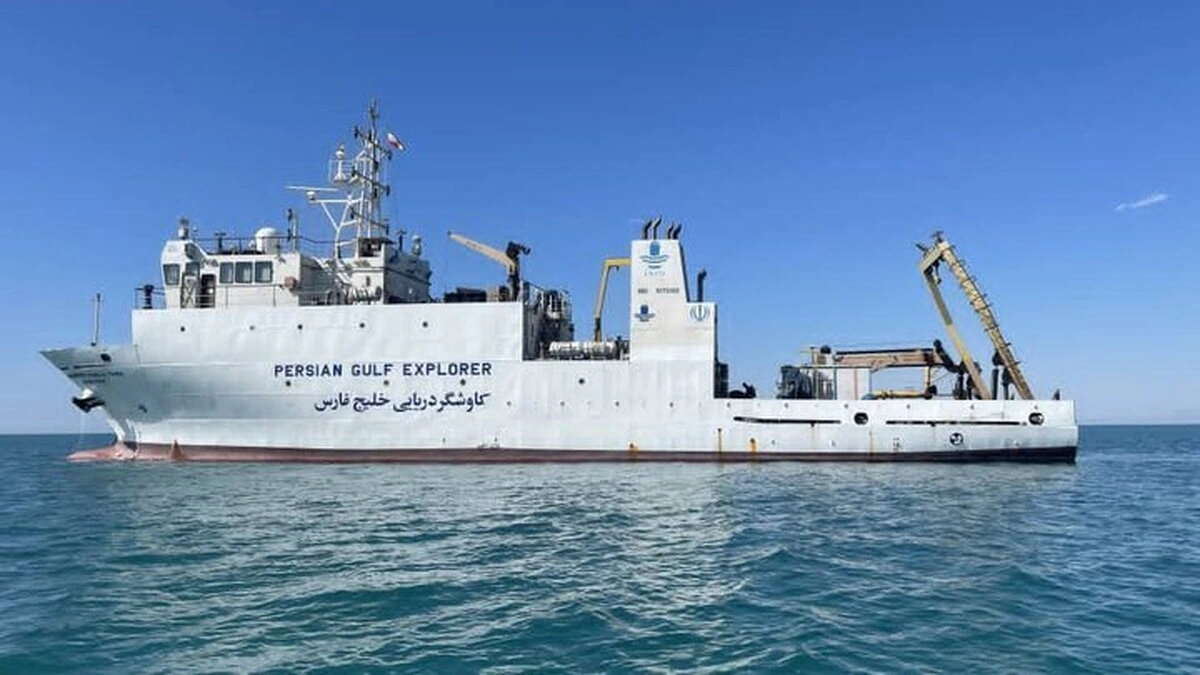
Here’s the thing: the body of water we’re talking about has been known as the ‘Persian Gulf’ for, well, centuries. Ancient Greek texts refer to it as such. Historical maps overwhelmingly use this designation. It’s rooted in the historical dominance of the Persian Empire in the region. But, in recent decades, especially with the rise of Arab nationalism, some countries in the region have pushed for alternative names, most notably ‘Arabian Gulf’. It’s not just about geography; it’s about asserting identity and influence. This naming dispute has become a political football, with different sides digging in their heels. What fascinates me is how a simple name can carry so much weight. According to Wikipedia , the dispute has caused diplomatic incidents and affected international relations.
FIA’s Stance | A Nod to Historical Accuracy?
So, why is the FIA wading into these waters? Well, it’s unlikely they’re trying to make a political statement. More likely, it’s a move towards historical accuracy and consistency in their official communications. International organizations often try to remain neutral in such disputes, and using the most historically recognized name might be their way of doing that. FIA’s decision likely stems from a desire to avoid taking sides in a sensitive geopolitical issue. The implications of this decision, though, extend beyond mere nomenclature. It’s a subtle acknowledgement of historical precedence, which can be interpreted in various ways by different actors in the region. But, I initially thought this was straightforward, but then I realized the complexity of regional politics and sensitivities.
How This Affects India | Economic and Geopolitical Considerations
Now, let’s bring this back home. India’s relationship with the Gulf countries is multifaceted. We rely heavily on the region for oil and natural gas. We also have a significant diaspora working there, sending remittances back home. Any instability or shift in regional dynamics can have a ripple effect on our economy and our foreign policy. Therefore, while the FIA’s decision might seem trivial, it’s part of a larger tapestry of regional narratives that we need to be aware of. A common mistake I see people make is dismissing these seemingly small changes as inconsequential. They’re not. They’re indicators of deeper currents. And, considering India’s significant economic ties with the region, any shift in perception, however minor, needs attention. The impact on India is indirect but significant. Market correlation plays a crucial role in understanding these effects.

Navigating the Waters | India’s Diplomatic Balancing Act
India has always maintained a balanced approach to its relationships with countries in the Gulf region, nurturing ties with both Arab nations and Iran. This requires a delicate diplomatic balancing act, and it’s something our policymakers are acutely aware of. The geopolitical landscape of the Persian Gulf is complex and ever-evolving. India must continue to navigate these waters with caution and foresight. This includes being mindful of the sensitivities surrounding the naming dispute and understanding the underlying power dynamics. It’s about protecting our interests while respecting the diverse perspectives within the region. Let me rephrase that for clarity: India’s foreign policy hinges on maintaining good relations with all parties involved, a task that requires constant vigilance and adaptability. And publication date of such news becomes important to understand it’s relevance.
The Bigger Picture | Identity, Politics, and Global Narratives
Ultimately, the FIA’s decision is a microcosm of larger global trends: the struggle over identity, the politics of language, and the construction of historical narratives. It reminds us that even seemingly neutral choices can have political implications. In a world increasingly shaped by information and perception, these nuances matter more than ever. What fascinates me is how a simple name can be a battleground for competing ideologies. The Persian Gulf region is a strategic area with immense importance. The ongoing debates regarding its name underscores the intricate relationship between identity, politics, and global narratives. As per the guidelines mentioned in the information bulletin, maintaining neutrality is key, but understanding the historical context is equally important.
FAQ Section
Frequently Asked Questions
Why is there a dispute over the name ‘Persian Gulf’?
The dispute stems from rising Arab nationalism and some countries’ desire to assert their identity and influence in the region.

How does India benefit from the Persian Gulf?
India relies on the region for oil and gas and has a large diaspora working there, sending remittances back home.
What does FIA stand for?
FIA stands for Fédération Internationale de l’Automobile.
Is it ‘Persian Gulf’ or ‘Arabian Gulf’?
Historically and geographically, it has been known as the ‘Persian Gulf’ for centuries.

How do ongoing conflicts in the Middle East affect India?
They can affect India’s economy and foreign policy due to the region’s importance for energy security and the large Indian diaspora there.
So, there you have it. The FIA’s little update isn’t just about a name; it’s a reminder of the complex, interconnected world we live in, where even the smallest changes can have far-reaching consequences. And for India, understanding these nuances is crucial for navigating the turbulent waters of international relations.