

Okay, let’s be real. You’re here because you’re trying to navigate the sometimes-murky waters of automobile stocks and how debt-to-equity ratio plays into it all, especially with those pesky near-term risks looming. It’s not just about numbers; it’s about understanding what those numbers mean for your trading strategy. This isn’t just finance; it’s high-stakes decision-making.
Decoding the Debt-to-Equity Ratio | More Than Just a Number
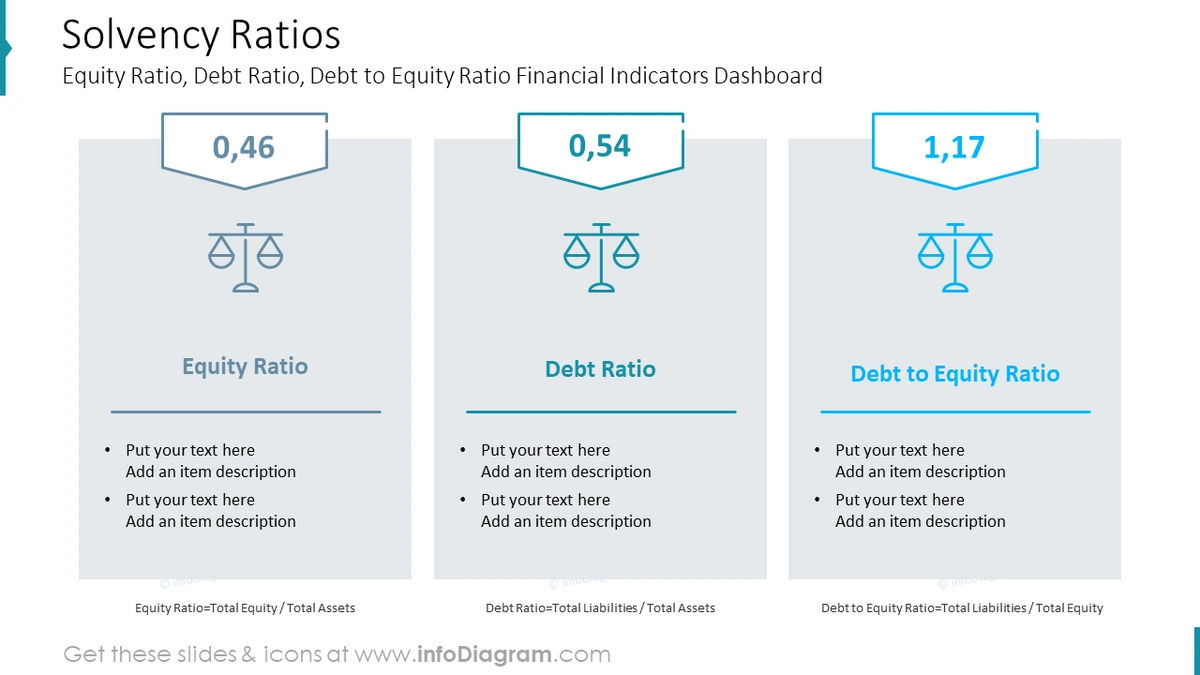
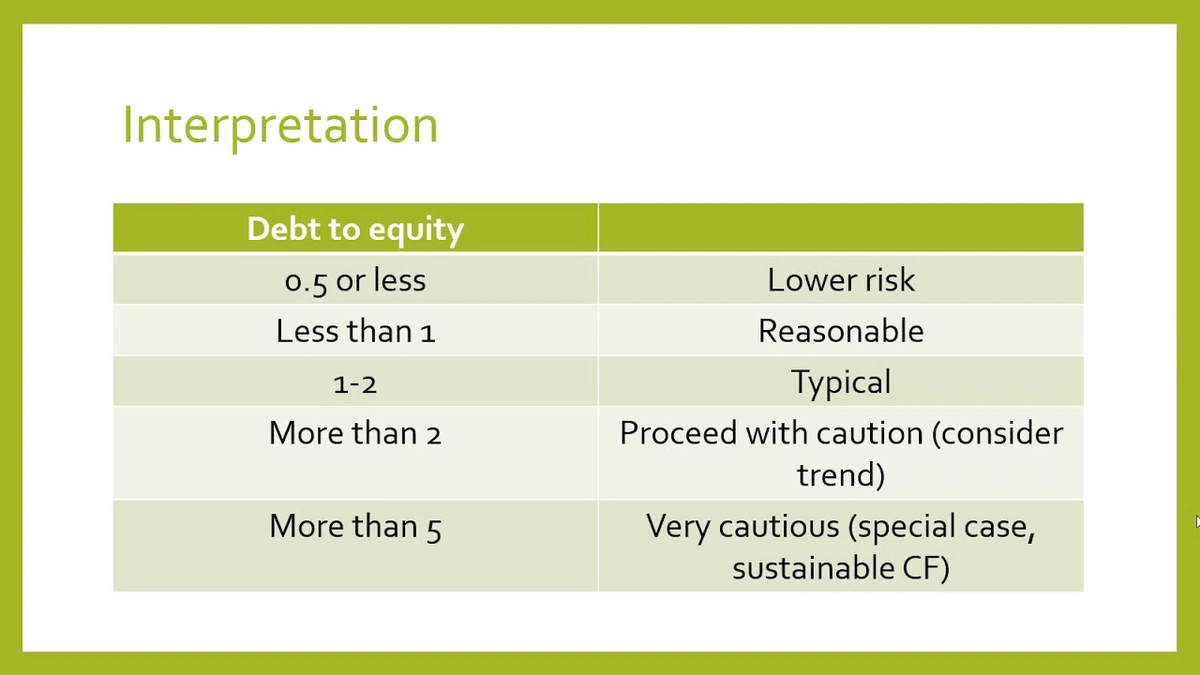
So, what exactly is the debt-to-equity ratio? At its core, it’s a financial metric that compares a company’s total debt to its shareholder equity. Think of it as a balancing act – how much a company owes versus how much it owns, essentially. A high ratio could indicate that a company is financing its growth with a lot of debt, which can be risky. A low ratio, on the other hand, might suggest a more conservative approach. But, as always, context is key. Different industries have different norms. For example, a capital-intensive industry like automobile manufacturing might naturally have higher leverage ratios than, say, a software company. But, the automobile sector faces a unique challenge.
Why does this matter to traders? Because a company drowning in debt is more vulnerable to economic downturns, interest rate hikes, and, well, you get the picture. It’s like driving a car with bald tires in the monsoon – you might make it, but the odds are stacked against you. So, keep an eye on the debt-to-equity ratio – it might be telling you something important about the road ahead.
Near-Term Risks | The Bumpy Road Ahead for Automobile Stocks
Let’s face it, the automobile industry is facing a whole host of near-term risks right now. We’re talking supply chain disruptions (still!), rising raw material costs, and the looming threat of a global recession. And then there’s the electric vehicle (EV) revolution, which is both an opportunity and a challenge for traditional automakers. If they don’t adapt quickly enough, they could be left in the dust. But, if the market shifts too fast, they risk being stuck with expensive infrastructure designed for gas guzzlers. It’s a tough spot. Navigating these risks requires a keen understanding of a company’s financial health. A company with a high debt-to-capital ratio , for instance, might find it harder to invest in new technologies or weather a storm.
A common mistake I see traders make is focusing solely on the headline numbers – revenue, profit, etc. – without digging deeper into the balance sheet. That’s like judging a book by its cover. You need to understand the underlying financial structure to make informed decisions. What fascinates me is how quickly things can change in this industry. One minute a company is riding high, the next it’s struggling to stay afloat.

Strategies for Traders | Navigating the Debt Landscape
So, how can you, as a trader, use the debt-to-equity ratio to your advantage? Here’s the thing: it’s not a crystal ball, but it’s a valuable piece of the puzzle. First, always compare the financial leverage of companies within the same industry. A debt-to-equity ratio of 2 might be perfectly normal for one automaker, but alarmingly high for another. Consider this as a starting point to compare and contrast.
Second, look at the trend over time. Is the company’s debt-to-equity ratio increasing or decreasing? A consistently increasing ratio could be a red flag. Use resources like Yahoo Finance or Google Finance to track this data. According to the latest report by Investopedia , consistent rise in the ratio has raised alarm in the market.
Third, pay attention to the company’s plans for managing its debt. Are they actively trying to reduce their debt load? Are they generating enough cash flow to cover their interest payments? If a company is struggling to make ends meet, it might be time to sell. A solid, defensive move. Consider a balanced scorecard approach when assessing a stock. This may seem straightforward, but its important. By incorporating internal analysis with external analysis such as the current ratio and interest rates, you can get a sense of long-term trends.
The EV Transition | Debt Implications and Opportunities
The shift to electric vehicles (EVs) is a massive undertaking, requiring huge investments in research and development, new manufacturing facilities, and charging infrastructure. This transition is obviously impacting automobile manufacturers . Companies that are heavily indebted may struggle to keep up with the pace of innovation, putting them at a disadvantage. But, here’s the thing: this also creates opportunities for savvy traders. Companies that successfully navigate the EV transition could see their stock prices soar. It’s all about identifying the winners and losers early on.

Let’s rephrase that for clarity: the EV transition is a double-edged sword. It presents both risks and opportunities for traders. The key is to do your homework and understand which companies are best positioned to succeed. Remember, don’t put all your eggs in one basket. Diversify your portfolio to mitigate risk. The latest circular on the official NITI Aayog website ( niti.gov.in ) stresses the importance of investing in multiple EV technologies to build a robust ecosystem.
Future of Automobile Sector and Debt to Equity Ratio
Looking ahead, the automobile industry is likely to become even more competitive, with new players entering the market and established players battling for market share. The companies that can successfully manage their debt and adapt to the changing landscape will be the ones that thrive. I initially thought this was straightforward, but then I realized the impact of macroeconomic factors, interest rates, and geopolitical risks. This will become even more important in the coming years. Remember that the debt management strategy employed by the company is of the utmost importance. Consider the quality of the financial statements when evaluating the company. The company needs to be making sound decisions if it wants to be competitive in the future.
The debt-to-equity ratio is just one piece of the puzzle, but it’s a crucial one. By understanding this metric and how it relates to the broader industry trends, you can make more informed trading decisions and potentially profit from the opportunities that arise. And the future is bright. The automobile industry is not going away any time soon.
Check out the latest updates. And remember, knowledge is power. Stay informed.

FAQ Section
What if I don’t have much experience in the stock market?
Start small, and do your research. Don’t invest more than you can afford to lose. Consider taking an online course or reading books on investing. There are a lot of resources out there to help you get started. It’s important to learn the basics before diving in. Consult with a financial advisor.
How often should I check a company’s debt-to-equity ratio?
At least quarterly, when they release their financial statements. But, keep an eye on any major news or events that could impact the company’s financial health in between those times. Things can change quickly, so staying informed is key. The faster you spot it, the faster you can do something about it.
Is a low debt-to-equity ratio always better?
Not necessarily. A very low ratio might indicate that a company isn’t taking advantage of opportunities to grow. It’s all about finding the right balance. Some debt can be good, as long as it’s managed effectively. The right balance depends on the industry and the company’s specific circumstances.
What other factors should I consider besides the debt-to-equity ratio?
Profit margins, cash flow, management quality, and industry trends. Look at the big picture. Don’t rely solely on one metric. A good trader considers all relevant information before making a decision. Consider the risks.
What is shareholder equity ?
Shareholder equity is a company’s total assets minus its total liabilities. It represents the owner’s stake in the company. This is important when considering the debt-to-equity ratio.


