

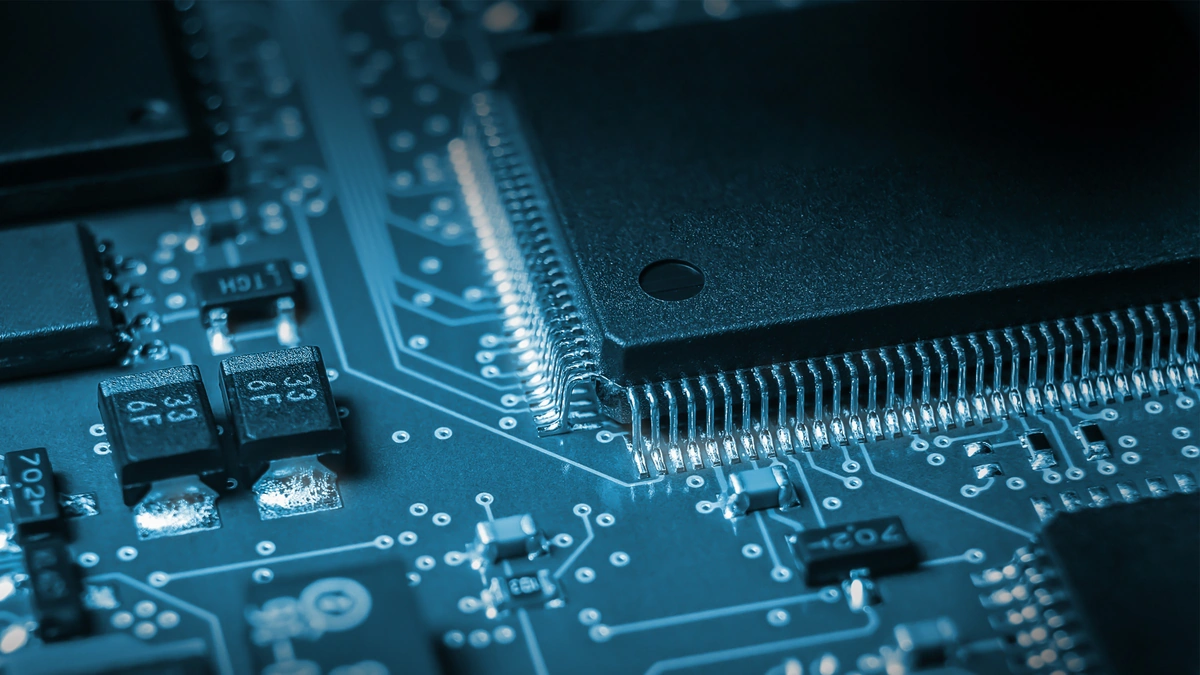
The chip shortage . You’ve probably heard about it. Maybe you’ve even felt it – a delayed phone upgrade, a pricier laptop, or that new car taking months to arrive. But let’s be honest, news headlines often skim the surface. What’s really going on? And, more importantly, how does this global crisis impact us here in India? That’s what we’re going to explore.
Forget the generic news reports. We’re diving deep to understand the ‘why’ behind this semiconductor shortage , its ripple effects across various sectors in India, and what it means for your wallet and access to technology. I initially thought this was just another supply chain hiccup, but then I realized… it’s far more complex.
The Perfect Storm | Why Chips Are So Scarce
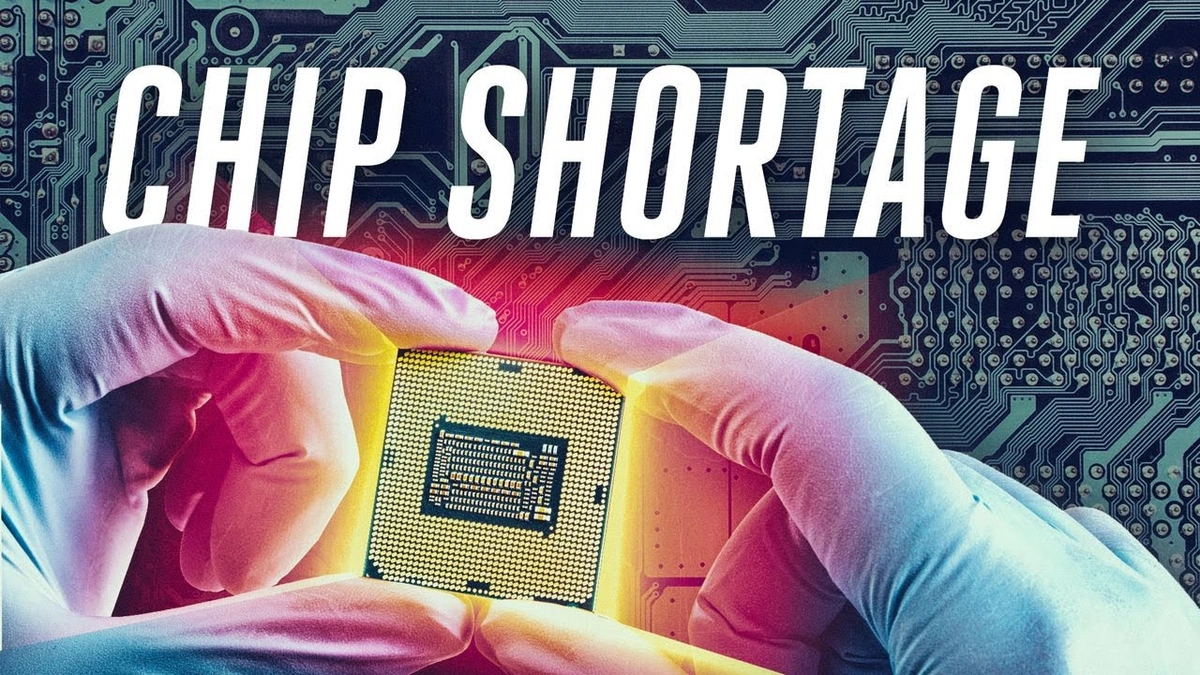
So, what exactly caused this mess? Think of it as a perfect storm. Demand surged during the pandemic as everyone shifted to remote work and online learning. Suddenly, everyone needed laptops, tablets, and better internet infrastructure. Simultaneously, production took a hit. Factories faced lockdowns, supply chains were disrupted, and geopolitical tensions added fuel to the fire. Here’s the thing – making these tiny chips is incredibly complex and concentrated. A few key players, like TSMC in Taiwan and Samsung in South Korea, dominate the market. Any disruption to their operations has massive consequences globally.
And it’s not just about computers and smartphones. Cars, appliances, even your fancy new pressure cooker – they all rely on semiconductors. This widespread demand, coupled with limited supply, has created a bottleneck that’s impacting industries across the board. A common misconception I see is that this is a temporary blip. While the situation might ease slightly, the underlying issues are likely to persist for quite some time.
India’s Tech Dreams | How the Shortage Hits Home
For India, this global chip shortage poses some serious challenges. Our burgeoning tech sector, which relies heavily on imported components, is feeling the pinch. Manufacturing industries, especially those involved in electronics and automotive, are struggling to meet production targets. This can lead to job losses, slower economic growth, and higher prices for consumers. One crucial aspect that’s often overlooked is the impact on India’s ambition to become a global manufacturing hub. To achieve this, we need a reliable supply of semiconductors.

But there’s also a silver lining. This crisis has highlighted the urgent need for India to develop its own domestic semiconductor manufacturing capabilities. The government is now actively incentivizing companies to set up chip fabrication plants (fabs) in India. This could create thousands of jobs, boost our economy, and reduce our dependence on foreign suppliers. According to a recent report by the India Electronics & Semiconductor Association (IESA), the domestic electronics market is expected to reach $400 billion by 2025. To capitalize on this growth, we need a strong semiconductor ecosystem. To foster innovation and reduce reliance on imports, the government announced a 76,000 crore production-linked incentive (PLI) scheme for semiconductor manufacturing.
Beyond the Headlines | What You Can Actually Do
So, what can you, as an individual, do about the global semiconductor shortage ? Well, you’re not going to single-handedly solve the crisis, but you can make informed choices. Consider repairing your existing devices instead of buying new ones. This reduces demand and extends the lifespan of your gadgets. Be patient when ordering electronics or automobiles. Delivery times may be longer than usual. And, most importantly, support companies that are investing in sustainable and ethical sourcing practices.
Let me rephrase that for clarity: be a conscious consumer. Demand transparency from brands about their supply chains. Advocate for policies that promote domestic manufacturing and reduce our reliance on foreign suppliers. These small actions, when combined, can make a significant difference. In these times, knowing about new tech products is also important.
The Future of Chips | Innovation and Localization
The future of the semiconductor industry is likely to be characterized by increased innovation and localization. Companies are exploring new materials and manufacturing techniques to create more efficient and powerful chips. There’s also a growing emphasis on developing specialized chips for specific applications, such as AI and electric vehicles. What fascinates me is the potential for India to become a leader in these emerging areas. We have a large pool of talented engineers and a vibrant startup ecosystem. By fostering innovation and investing in research and development, we can position ourselves at the forefront of the next wave of semiconductor technology. But, there is still a lot of resilience to go.

The push for localization is also gaining momentum. Governments around the world are realizing the strategic importance of having domestic semiconductor manufacturing capabilities. This is not just about economic growth; it’s also about national security. A reliable supply of semiconductors is essential for critical infrastructure, defense systems, and communication networks. Therefore, expect to see more government incentives and policies aimed at attracting semiconductor companies to set up shop in India.
Looking Ahead | A More Resilient Future?
The ongoing chip shortage is a wake-up call. It highlights the fragility of global supply chains and the need for greater resilience. While the situation may remain challenging in the short term, the long-term outlook is more optimistic. Increased investment in domestic manufacturing, coupled with technological innovation, should eventually ease the supply constraints. As per the latest updates, the situation might see a shift towards stabilization by late 2024 or early 2025, but this is highly dependent on geopolitical factors and new technological developments.
What’s clear is that the world is becoming increasingly reliant on semiconductors. They are the building blocks of the digital economy and essential for countless products and services. India has a tremendous opportunity to play a leading role in this industry. By embracing innovation, fostering collaboration, and investing in education and training, we can create a thriving semiconductor ecosystem that benefits our economy, our society, and our national security.
FAQ
What exactly is a chip shortage?
It’s when the demand for semiconductors (tiny chips that power almost all electronics) is higher than what manufacturers can supply, leading to delays and price increases.

Why is there a chip shortage right now?
Several factors: increased demand during the pandemic, factory shutdowns, supply chain disruptions, and geopolitical tensions. It’s a perfect storm.
How is the chip shortage affecting India?
It’s impacting our tech sector, manufacturing industries (especially electronics and automotive), leading to potential job losses and higher prices for consumers.
What is India doing about the chip shortage?
The government is incentivizing companies to set up chip fabrication plants in India to boost domestic production and reduce reliance on imports. They have a 76,000 crore PLI scheme.
When will the chip shortage end?
Experts predict the situation might stabilize by late 2024 or early 2025, but it’s dependent on many factors.
What can I do as a consumer?
Repair existing devices, be patient with delivery times, and support companies with sustainable sourcing practices.