


Okay, let’s be real. Nobody likes dealing with vehicle fitness tests. It’s usually a hassle, takes time out of your day, and costs money. But what if I told you that the cost is about to jump… significantly? For those of you driving older cars – we’re talking 20 years or more – buckle up. You’re about to feel a bigger pinch in your wallet. The car fitness test fee hike is real, and it’s here.
But before you start cursing the government, let’s dig a little deeper. Why is this happening? What does it mean for you, the average Indian car owner? And, more importantly, is there anything you can do about it? That’s what we’re going to unpack in this article. Think of this as your friendly guide to navigating this new reality.
The “Why” Behind the Hike | More Than Just Money
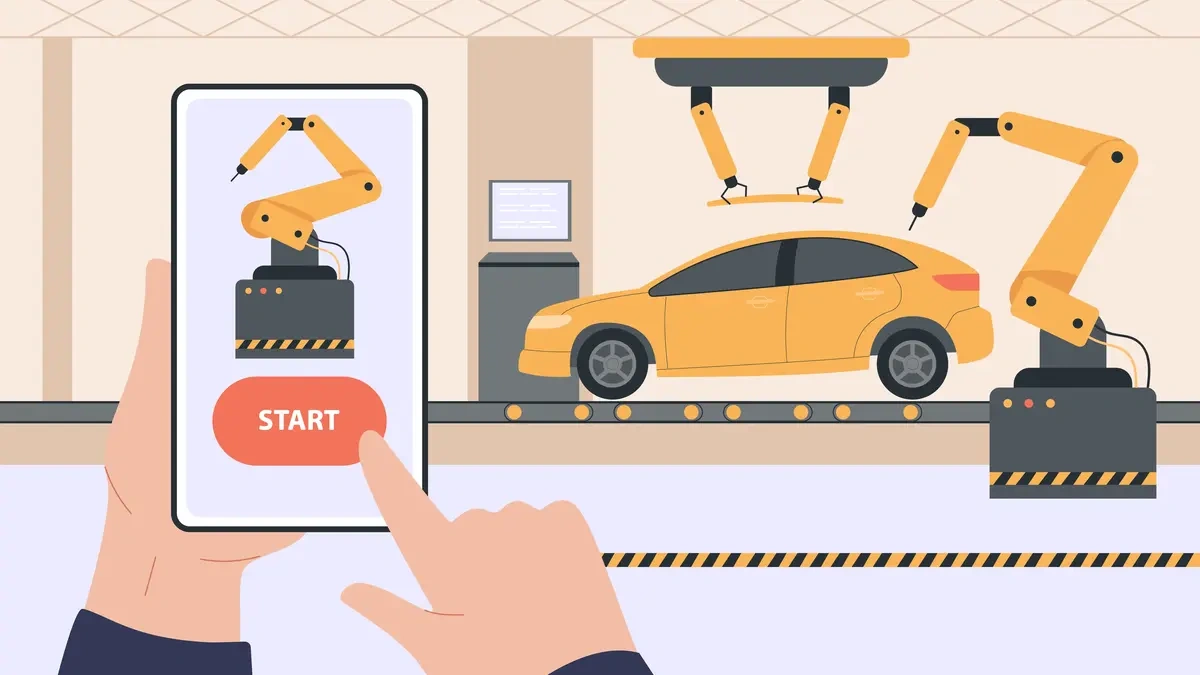
I initially thought this was just another way for the government to squeeze more money out of us. And while revenue generation is undoubtedly a factor, the real reasons behind the increased vehicle fitness test costs are more nuanced. It’s all about pushing older, more polluting vehicles off the road. This is linked to the broader goals of reducing air pollution and improving road safety. Think of it as a carrot-and-stick approach. The stick? Higher fees for older cars. The (theoretical) carrot? A cleaner, safer environment for everyone.
The thing is, older vehicles tend to be less fuel-efficient and emit more pollutants. They also often lack modern safety features, making them a potential hazard. By making it more expensive to keep these cars on the road, the government hopes to incentivize people to switch to newer, more environmentally friendly models. It’s a tough pill to swallow, especially for those who rely on their older vehicles, but it’s part of a larger strategy. It’s worth noting that theautomobile industryitself is constantly evolving, with newer models incorporating advanced technologies to improve efficiency and reduce emissions. The fitness test fee structure directly reflects this shift.
Decoding the New Fee Structure | What You Need to Know
So, how much are we talking about? Well, that “up to 15x” figure in the title isn’t hyperbole. The exact increase varies depending on the type of vehicle and the state you’re in. But here’s a general idea: for private cars older than 15-20 years, you can expect to pay significantly more for your mandatory fitness test. Commercial vehicles will also see a hike, though perhaps not as dramatic. One critical aspect that often gets overlooked is the validity of the fitness certificate . The new regulations may also influence how long a fitness certificate remains valid, so it’s crucial to stay informed about these changes.
Let me rephrase that for clarity: the days of cheap fitness tests are gone, especially if you’re clinging to your beloved old car. You need to be prepared to shell out considerably more cash. And here’s the thing: if your car fails the fitness test, you’ll have to pay for a retest, adding to the overall cost. This makes preventative maintenance even more critical. So make sure your vehicle is in tip-top shape before you take it in for the test.

How to Prepare Your Car (and Your Wallet)
Alright, so you know the fees are going up. You know why they’re going up. Now, what can you actually do? Here’s the “How” Angle. The first step is obvious: keep your car well-maintained. Regular servicing, timely repairs, and attention to detail can go a long way in ensuring your car passes the fitness test. Pay special attention to the things that are commonly checked, such as emissions, brakes, lights, and tires. A common mistake I see people make is neglecting minor issues, thinking they won’t matter. Trust me, they add up.
Beyond that, consider the financial aspect. Start saving up for the fitness test well in advance. Look into options for upgrading your vehicle. This might mean trading in your old car for a newer, more fuel-efficient model. Or, if that’s not feasible, explore alternative transportation options. Public transport, carpooling, or even cycling can be viable solutions, depending on your circumstances. Theautomotive marketis constantly offering new, eco-friendly options, and it’s worth exploring these if you’re considering an upgrade. So, stay informed about vehicle scrapping policy too.
The Emotional Toll | Saying Goodbye to a Classic
Let’s be honest: for many of us, our cars are more than just machines. They’re symbols of freedom, independence, and even nostalgia. The thought of having to give up a car that’s been with you for years can be emotionally difficult. I initially thought this was a straightforward financial issue, but I realized that there’s an emotional aspect too. I get it.
If you’re in this situation, take the time to process your feelings. Talk to friends and family. Reminisce about the good times you’ve had with your car. And remember that while it might be the end of an era, it’s also an opportunity to start a new chapter. Maybe you’ll discover a newfound love for public transport. Maybe you’ll finally get that electric scooter you’ve been eyeing. Whatever it is, embrace the change and look forward to the future. Always consider the environmental impact of vehicles as a responsible citizen. It’s our duty towards society.
Future of Vehicle Ownership in India
The car fitness test fee hike is more than just a price increase; it signals a shift in how we approach vehicle ownership in India. As environmental concerns grow and technology advances, we can expect to see more policies aimed at promoting cleaner, safer transportation options. This includes stricter emission standards, incentives for electric vehicles, and continued efforts to phase out older, more polluting cars.

What fascinates me is how these changes will reshape the automotive landscape in the years to come. Will we see a surge in demand for electric vehicles? Will carpooling become the norm? Will the government offer more support for people who want to upgrade to newer, more environmentally friendly cars? Only time will tell. But one thing is clear: the future of vehicle ownership is changing, and we all need to be prepared.
FAQ Section
Frequently Asked Questions
What happens if my car fails the fitness test?
If your car fails, you’ll need to get the necessary repairs done and then pay for a retest. The specific rules and fees for retests may vary, so check with your local testing center.
Are there any exemptions to the fee hike?
While there are no broad exemptions, some states may offer concessions for certain categories of vehicles or owners. Check with your local transport department for details.
How often do I need to get my car tested?
The frequency of fitness tests depends on the age and type of your vehicle. Generally, older vehicles require more frequent testing.
Where can I get my car tested?
You can get your car tested at authorized testing centers. A list of these centers is usually available on the website of your state’s transport department. Ensure these are authorized vehicle inspection centers for authentic results.

What documents do I need to bring to the fitness test?
You’ll typically need to bring your car’s registration certificate (RC), insurance papers, and pollution under control (PUC) certificate.
Is there any financial assistance available to scrap my old vehicle?
The government has introduced a vehicle scrapping policy that may offer some financial incentives for scrapping old vehicles. Check the details of the policy in your state.
So, the car fitness test fee hike might sting a bit, but it’s part of a bigger picture. It’s about cleaner air, safer roads, and a more sustainable future for all of us. While it may be tempting to grumble and resist, it’s worth considering the long-term benefits and adapting accordingly.