

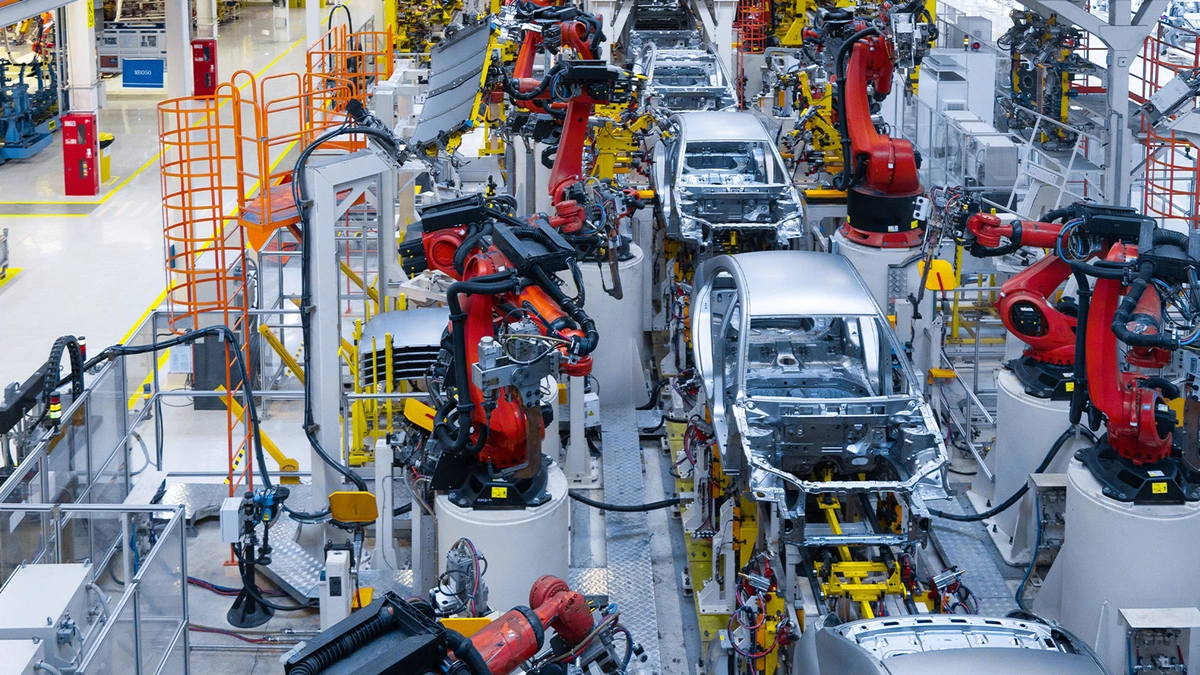
Okay, let’s talk about something that’s been causing a serious headache for the automotive industry – the global chip shortage. You’ve probably heard snippets about it on the news, but what’s really going on? And why should you, sitting in India, even care? Well, buckle up, because this impacts everything from the availability of your next car to the future of Indian manufacturing. Let’s dive into the “why” behind this crisis, and how it’s all connected.
The Great Chip Scramble | More Than Just a Shortage
It’s easy to think of this as a simple supply-and-demand problem. Not enough chips, too many cars, right? Wrong. It’s a complex web involving geopolitical tensions, manufacturing monopolies, and a whole lot of strategic maneuvering. Here’s the thing: modern cars are basically computers on wheels. They need chips for everything – from the engine management system to the infotainment screen and even the power windows. Without these tiny silicon brains, car production grinds to a halt. Automakers , who were cruising along just fine, suddenly found themselves fighting for scraps.
Now, enter Nexperia and the export restriction. This Dutch chipmaker is a major player, and any disruption to their operations sends ripples throughout the entire industry. Think of it like this: if a vital highway gets blocked, traffic doesn’t just slow down, it can come to a standstill. So, when news broke about potential export restrictions affecting Nexperia, automakers understandably panicked.
Why India Should Pay Attention | Beyond Just Cars
Let’s be honest – you might not be in the market for a new car right now. But the chip shortage has broader implications for India. It highlights the vulnerability of relying on a handful of suppliers for critical components. What happens if there’s a similar disruption affecting, say, the smartphone industry? Or the production of medical devices? India’s push for self-reliance – the “Atmanirbhar Bharat” initiative – becomes even more crucial in this context. We need to develop our own capabilities in semiconductor manufacturing to avoid being held hostage by global events. This is where government policies promoting local chip manufacturing plants comes into play. Read this related article.
And it’s not just about security; it’s about opportunity. A robust domestic semiconductor industry can create jobs, attract investment, and position India as a major player in the global tech landscape. Think of the potential! But, and this is a big but, it requires a coordinated effort from the government, industry, and academia. A common mistake I see is that people underestimate the scale of investment needed. This isn’t a small undertaking; it requires serious commitment.

The Ripple Effect | How the Shortage Impacts You Directly
Okay, let’s get back to cars for a second. The chip shortage isn’t just affecting the big brands; it’s impacting the entire automotive ecosystem. Smaller auto component manufacturers are also feeling the pinch. This creates a domino effect, leading to job losses and economic uncertainty. Furthermore, it’s influencing car prices and availability. Expect longer waiting times and possibly higher costs for new vehicles. And here’s the thing – even used car prices are going up! Because new cars are hard to come by, the demand for pre-owned vehicles is soaring.
But, beyond the immediate impact on car buyers, there are other consequences to consider. Supply chain disruptions force companies to rethink their manufacturing strategies. This could lead to more localized production, which, in turn, can create new opportunities for Indian businesses. It also underscores the importance of diversification. Relying on a single source for anything – be it chips or any other critical component – is a recipe for disaster.
Nexperia and the Future of Chip Manufacturing
Let’s zero in on Nexperia for a moment. This company isn’t just any chipmaker; it’s a key player in the automotive semiconductor market. Their chips are found in everything from braking systems to power steering. Any disruption to their supply chain has a cascading effect on auto manufacturing worldwide. The export restrictions, whatever their ultimate outcome, serve as a wake-up call. They highlight the fragility of the global supply chain and the need for greater resilience. According to industry analysts, we can expect continued volatility in the chip market for at least the next year or two. This means automakers need to be proactive in securing their supply chains and exploring alternative sources. More articles here.
And it’s not just about finding new suppliers; it’s about investing in innovation. Developing new chip designs and manufacturing processes can help reduce reliance on existing technologies and create new opportunities. What fascinates me is the potential for Indian companies to play a role in this innovation. With the right support and investment, India could become a hub for semiconductor research and development. The entire automobile sector relies heavily on these semiconductors.

FAQ | Your Questions Answered
Frequently Asked Questions
What exactly are semiconductors, and why are they so important?
Semiconductors, or chips, are the brains behind electronic devices. They control the flow of electricity and enable devices to perform complex functions. Without them, modern technology, including cars, wouldn’t exist.
How long is this chip shortage expected to last?
Experts predict the shortage could persist for another year or two, possibly longer. The situation is complex and depends on various factors, including geopolitical stability and increased manufacturing capacity.
What can India do to become more self-reliant in chip manufacturing?
India needs to invest heavily in research and development, attract foreign investment, and create a supportive ecosystem for semiconductor manufacturing. Government policies and incentives are crucial.
Will car prices continue to rise because of the chip shortage?
It’s likely that car prices will remain elevated for the foreseeable future due to the ongoing chip shortage and other supply chain disruptions. However, increased production capacity could eventually ease the pressure.

Are electric vehicles also affected by the chip shortage?
Yes, electric vehicles (EVs) actually require more chips than traditional gasoline-powered cars. As the demand for EVs grows, the pressure on the chip supply chain will only intensify. Electric vehicles are the future, so this is a challenge we need to address.
What are automakers doing to mitigate the impact of the shortage?
Automakers are exploring various strategies, including redesigning vehicles to use fewer chips, securing long-term supply contracts, and investing in chip manufacturing facilities. They are also focused on better inventory management.
The chip shortage is a complex issue with far-reaching consequences. But it also presents an opportunity for India to strengthen its manufacturing capabilities and become a global leader in the semiconductor industry. The path won’t be easy, but the rewards could be immense.


