
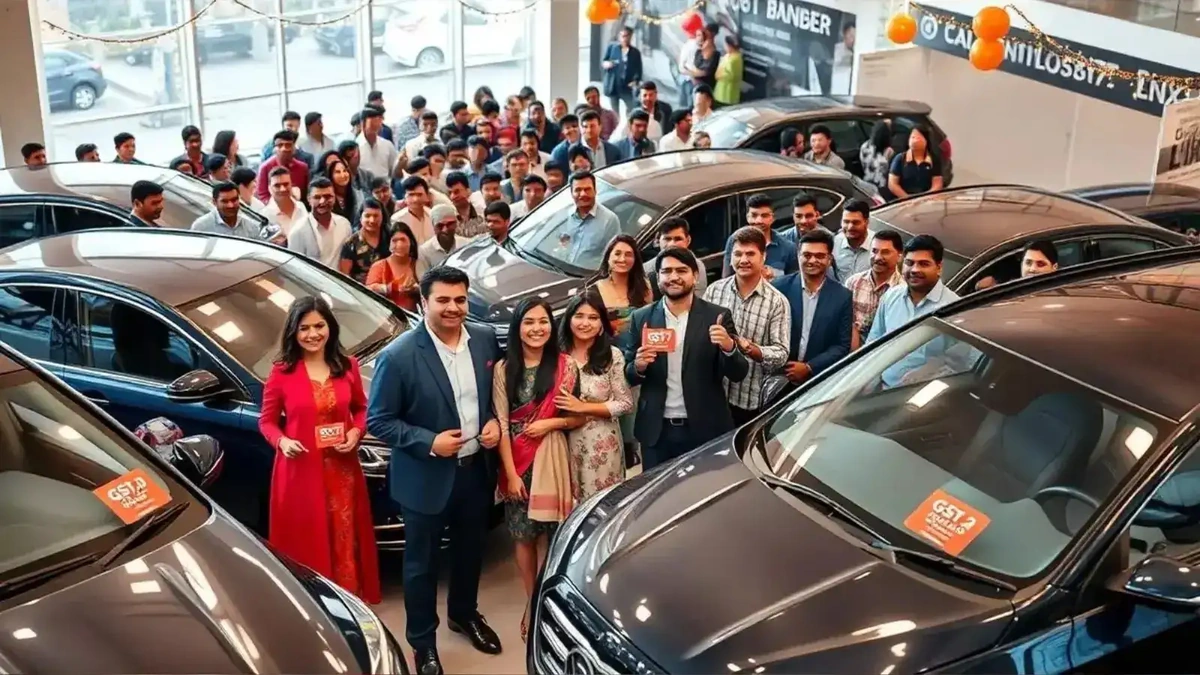
Okay, let’s be honest – numbers can be a little…dry. But, hold on! This isn’t just about auto sales figures; this is about understanding why Western India is suddenly driving the entire country’s car market. It’s about figuring out what this means for you, the average Indian consumer. And that’s where things get interesting.
The Western Wind | Why the Auto Boom?
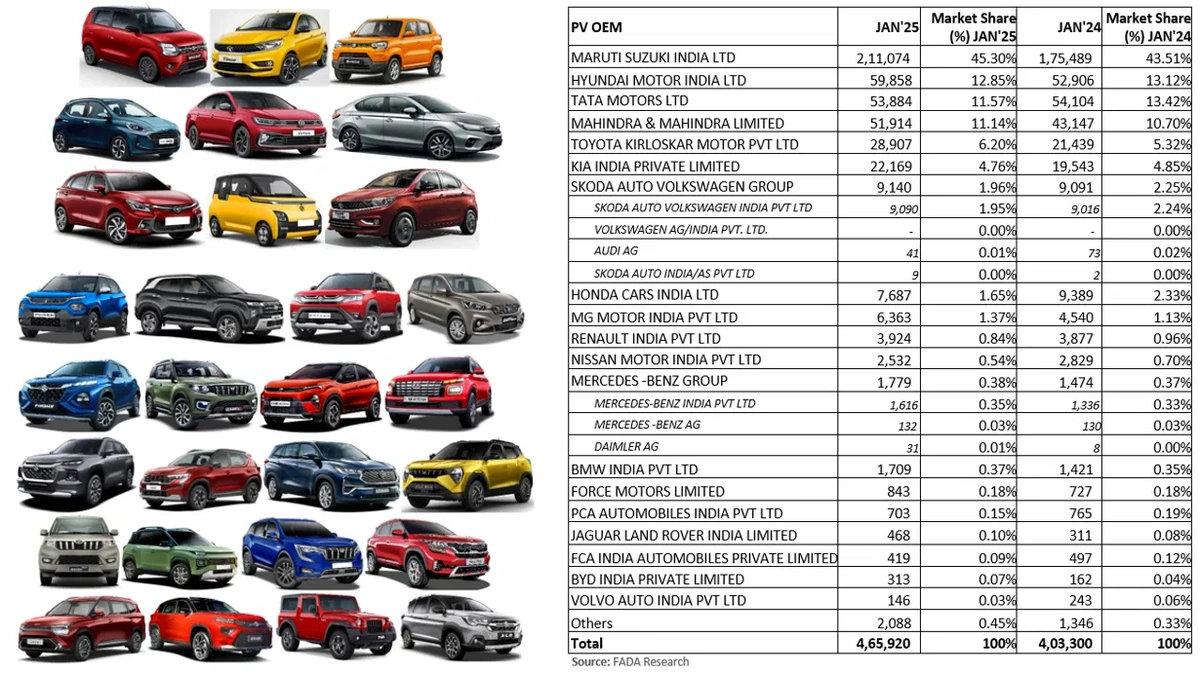
So, what’s the secret sauce in Western India? Why are states like Maharashtra and Gujarat suddenly so hungry for new wheels? Several factors are in play, creating a perfect storm for passenger vehicle sales . First, consider the economic landscape. Both Maharashtra and Gujarat boast strong industrial bases and relatively high per capita incomes. This translates to greater purchasing power. People have more money to spend, and a car is often high on the list of aspirational purchases. This region has shown increased vehicle demand in past years.
But it’s not just about money. It’s also about infrastructure. Western India has seen significant investments in road networks and connectivity over the past decade. Better roads make owning and driving a car more appealing. Plus, the growing urban population in these states is creating a greater need for personal transportation. Let’s not forget the psychological factor: owning a car is often seen as a status symbol, a sign of success and independence. And in a rapidly developing India, this aspirational value is only increasing.
Vehicle manufacturers have also played a crucial role. They’ve been aggressively targeting Western India with new models, attractive financing options, and targeted marketing campaigns. Dealership networks are well-established, making it easier for consumers to access and purchase vehicles. In my experience, strategic marketing is a game changer in this sector.
SIAM Speaks | Deciphering the Data
The Society of Indian Automobile Manufacturers (SIAM) , SIAM , is the apex body representing the Indian automobile industry. When they say PV sales have exceeded 1 million units in Q2, it’s not just a number; it’s a significant milestone. It signifies a robust recovery in the auto sector after a period of slowdown. It indicates positive consumer sentiment and a growing economy. And it highlights the increasing importance of Western India as a key market for auto manufacturers. And partners are one of the reason sales are booming.
According to SIAM’s data, the growth in auto sales isn’t limited to passenger vehicles. Commercial vehicles and two-wheelers have also witnessed positive growth, indicating a broad-based recovery in the transportation sector. This is crucial because it suggests that economic activity is picking up across various segments, not just in the personal vehicle space. Let me rephrase that for clarity: it’s not just about people buying cars for leisure; it’s about businesses investing in transportation and logistics, which is a key indicator of economic health.

Beyond the Numbers | The Real-World Impact
Okay, so the numbers are impressive. But what does this all mean for the real world? The auto boom in Western India has several significant implications. First, it’s creating jobs. From manufacturing and sales to service and maintenance, the auto industry is a major employer. The increased demand for vehicles is leading to the creation of new jobs and opportunities across the value chain.
Second, it’s driving economic growth. The auto industry is a key contributor to the GDP of states like Maharashtra and Gujarat. The increased sales and production are boosting economic activity and generating revenue for the government. Third, it’s impacting infrastructure development. The growing number of vehicles on the road is creating a greater need for better roads, parking facilities, and traffic management systems. This is leading to increased investment in infrastructure projects, which in turn stimulates further economic growth. Vehicle dealers are also working very hard to increase this auto sales.
But, let’s be honest, there are also challenges. The increased number of vehicles on the road is contributing to traffic congestion and air pollution. This is particularly acute in urban areas like Mumbai and Pune. Addressing these challenges requires a multi-pronged approach, including investments in public transportation, promotion of electric vehicles, and implementation of stricter emission standards. The increase in sales figures shows how important it is to invest in better options.
Navigating the Road Ahead | What’s Next for Auto Sales?
The future of auto sales in Western India looks promising, but it’s not without its uncertainties. Several factors will shape the industry in the coming years. First, the rise of electric vehicles (EVs) is set to disrupt the market. The government is actively promoting the adoption of EVs through subsidies and incentives, and several manufacturers are launching new EV models in India. As the cost of EVs comes down and the charging infrastructure improves, we can expect to see a significant increase in EV sales.
Second, the increasing popularity of shared mobility services like Ola and Uber is also impacting the auto industry. These services are providing consumers with convenient and affordable transportation options, reducing the need for personal vehicle ownership. However, they’re also creating new opportunities for auto manufacturers, who can partner with these services to provide vehicles and maintenance services. The competition between leading manufacturers will definitely shift towards electric vehicles in the future.

Third, the evolving regulatory landscape is also playing a crucial role. The government is introducing new regulations related to safety, emissions, and fuel efficiency, which are forcing auto manufacturers to innovate and adapt. These regulations are ultimately aimed at improving the quality and sustainability of the auto industry. According to the market analysis , there has been a steady growth in sales in Q2.
The Bottom Line | A Story of Growth and Opportunity
So, what’s the big takeaway? The auto boom in Western India is more than just a set of numbers. It’s a story of economic growth, rising aspirations, and evolving consumer preferences. It’s a reflection of India’s progress and its growing importance on the global stage. It’s a challenge, yes, but also a massive opportunity for auto manufacturers, policymakers, and consumers alike. And, that’s what fascinates me – the potential for growth and innovation that lies ahead.
FAQ Section
What are the key factors driving auto sales in Western India?
Strong economic growth, high per capita incomes, improved infrastructure, and aspirational value of car ownership.
How is SIAM involved in the Indian auto industry?
SIAM is the apex body representing Indian auto manufacturers, providing data and insights.
What impact is the rise of electric vehicles having?
EVs are disrupting the market, with government support and new models driving adoption.

Are shared mobility services affecting car sales?
Yes, they offer alternatives but also create opportunities for manufacturers.
What are the main challenges facing the auto industry in Western India?
Traffic congestion and air pollution are significant concerns.
What about the increasing vehicle exports from india?
Due to increasing demand of vehicles india started exporting vehicles.