
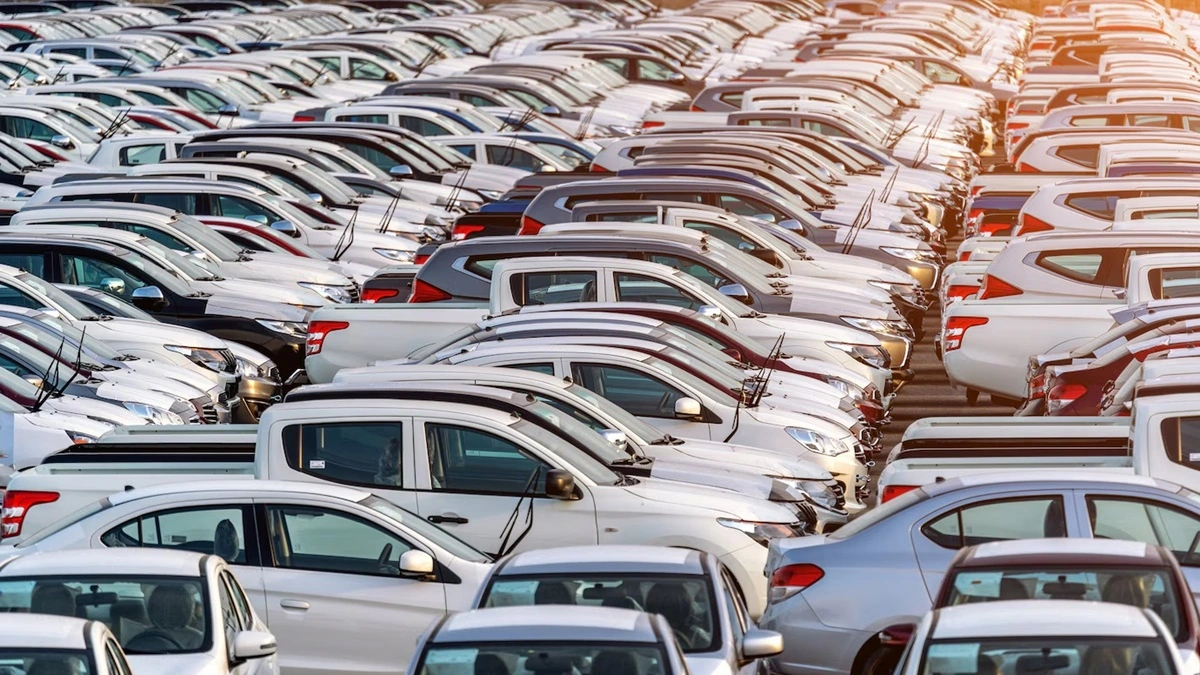
Wow. Just wow. 5.2 million vehicles sold during the festive season? That’s not just a number; it’s a statement. A big, bold statement about the Indian auto market’s resilience and the unwavering desire of Indians to upgrade their rides. We’re not just talking about a slight uptick here; we’re talking about a record-breaking surge in auto retail sales , folks! It really makes you wonder, what’s driving this incredible demand? Let’s dive in, shall we?
The ‘Why’ Behind the Festive Frenzy
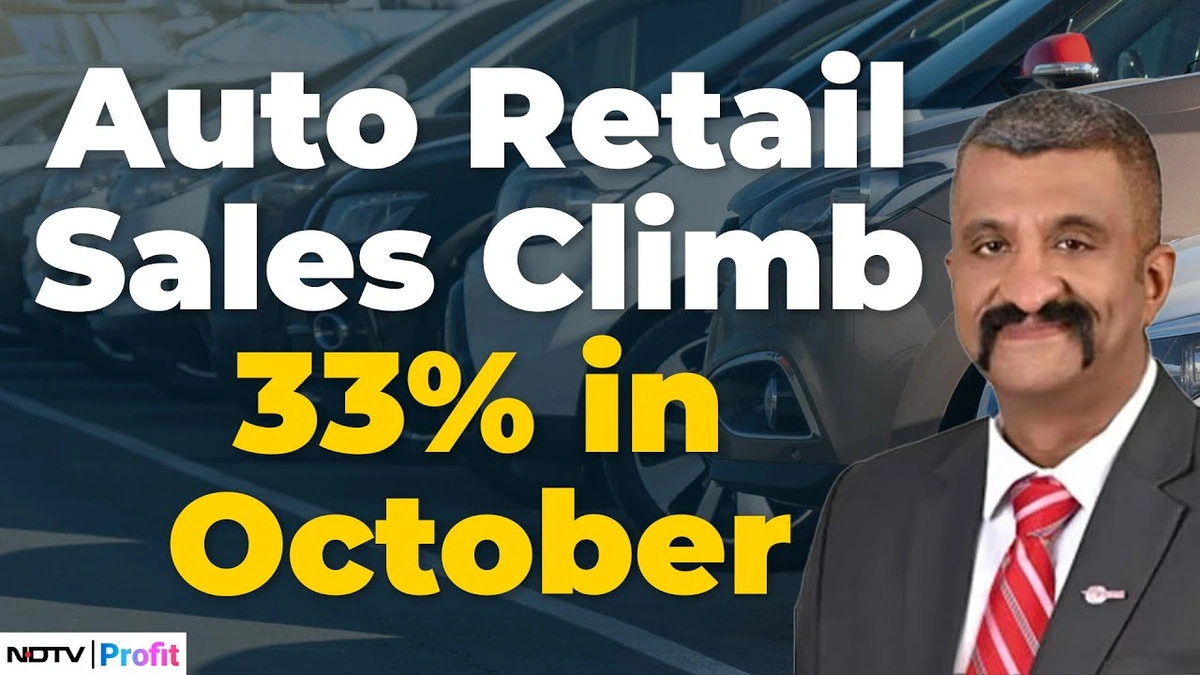
So, what exactly fueled this monumental surge in vehicle sales? I initially thought it was simply pent-up demand after the monsoon season. But then I realised it’s much more nuanced than that. It’s a confluence of factors, a perfect storm if you will. First, the festive season itself. Diwali, Dussehra, Dhanteras – these are not just holidays; they’re auspicious occasions when Indians traditionally make big purchases. And buying a car or a bike definitely falls into that category. But there’s more at play here.
Interest rates, believe it or not, play a HUGE role. We’ve seen some really competitive loan rates being offered by banks, making it easier for people to afford their dream vehicles. And let’s not forget the increasing availability of financing options, catering to different income levels and credit scores. This financial accessibility is a game-changer. According to recent reports, consumer sentiment is also on the upswing. People are feeling more confident about the economy, their jobs, and their future. And when people feel good, they spend! That’s just human nature. Also, the diverse range of vehicles available. Automakers are constantly launching new models, offering something for everyone – from fuel-efficient hatchbacks to luxurious SUVs. It’s a buyer’s market, no doubt.
And then there’s the ‘status symbol’ factor. Let’s be honest, owning a car in India is still a big deal for many. It’s a sign of progress, success, and independence. It’s more than just a mode of transport; it’s a statement. The increased availability of used car options has further expanded the market, allowing more people to get behind the wheel. Consider checking Toyota Kirloskar partnership , for a similar example.
Decoding the Vehicle Sales Data | A Closer Look
Now, let’s break down the numbers a bit. Which vehicle segments saw the biggest growth? Well, passenger vehicles (cars, SUVs, etc.) definitely led the charge, driven by a combination of new launches, festive discounts, and improved availability. Two-wheelers also saw a significant increase, particularly in rural areas, where they remain the primary mode of transportation for many.
Commercial vehicles, on the other hand, experienced a more moderate growth. This is primarily due to the cyclical nature of the industry and the existing fleet capacity. But even with moderate growth, commercial vehicles are still a crucial part of the overall auto retail sales picture.

Here’s the thing: the type of fuel consumed also has been a major consideration among buyers these days. Increase in fuel efficiency in modern automobiles and availability of wide range of electric vehicles has also improved sales. Moreover, the new launches like Maruti Suzuki Fronx and Hyundai Exter in the compact SUV segment has provided a wide range of choices for consumers, especially around the festive season.
The Impact on the Indian Economy
This record-breaking festive season isn’t just good news for automakers and dealers; it has a ripple effect throughout the entire Indian economy. The automotive industry is a major contributor to the country’s GDP, and a surge in sales translates to increased production, job creation, and tax revenue.
Think about it: more vehicles on the road mean more demand for fuel, auto parts, and insurance. It also boosts the logistics and transportation sectors, as goods need to be moved around the country. And let’s not forget the ancillary industries, such as auto financing, advertising, and marketing, which all benefit from a booming auto market. The sale of pre-owned vehicles also provides boost to the auto sector. Here is more about the Rolls Royce Ambani for you to check out.
Challenges and the Road Ahead
Now, let’s not get too carried away with the celebrations. There are still challenges facing the Indian auto market . Rising input costs, supply chain disruptions, and the ongoing transition to electric vehicles are all factors that could potentially impact future growth. The new safety regulations for vehicles and Bharat Stage VI emission norms have also increased the cost of ownership.
But here’s what fascinates me: the Indian auto industry has consistently shown its ability to adapt and overcome challenges. Automakers are investing heavily in research and development, exploring new technologies, and expanding their production capacity. The government is also playing a supportive role, promoting electric mobility and infrastructure development. For Example, recent changes in the automotive industry has improved the vehicle registration process. What initially thought this was straightforward, but then I realized that these changes are the result of years of advocacy and hard work. This transformation is an integral part of the Indian automotive landscape.

So, what does the future hold? Well, I believe the Indian auto market is poised for continued growth, driven by a combination of factors – increasing disposable incomes, urbanization, and a growing aspirational class. And with the increasing focus on sustainability, electric vehicles are expected to play an increasingly important role in the years to come.
Impact of Government Initiatives
It’s important to acknowledge the instrumental role of government initiatives in bolstering Indian automotive industry sales. Policies aimed at promoting local manufacturing, incentivizing electric vehicle adoption, and upgrading infrastructure have created a conducive environment for growth. These initiatives often translate to lower costs for consumers and increased demand for vehicles. One of the key initiatives includes the promotion of electric vehicles by providing subsidies and tax benefits. This is a great way to increase sales, specially in cities.
FAQ Section
Frequently Asked Questions
What were the primary drivers of the record auto retail sales during the festive season?
Festive season demand, attractive financing options, positive consumer sentiment, and a wide range of vehicle choices.
Which vehicle segment saw the highest growth?
Passenger vehicles (cars, SUVs, etc.) led the charge, followed by two-wheelers.
How does the auto industry contribute to the Indian economy?
It contributes significantly to GDP, job creation, and tax revenue.

What are the major challenges facing the Indian auto market?
Rising input costs, supply chain disruptions, and the transition to electric vehicles.
What is the role of government policies in promoting auto sales?
Policies promoting local manufacturing and incentivizing EV adoption have created a favorable environment.
What are the future prospects for the Indian auto market?
Continued growth is expected, driven by rising incomes, urbanization, and a focus on electric vehicles.
So, there you have it. The Indian auto market is not just alive and kicking; it’s thriving. And while there are challenges ahead, the future looks bright. Buckle up, folks; the ride is just getting started! What intrigues me most is the potential for even greater innovation and disruption in the years to come. The Indian auto industry has always been a bellwether for the broader economy. And that’s something to be excited about.