

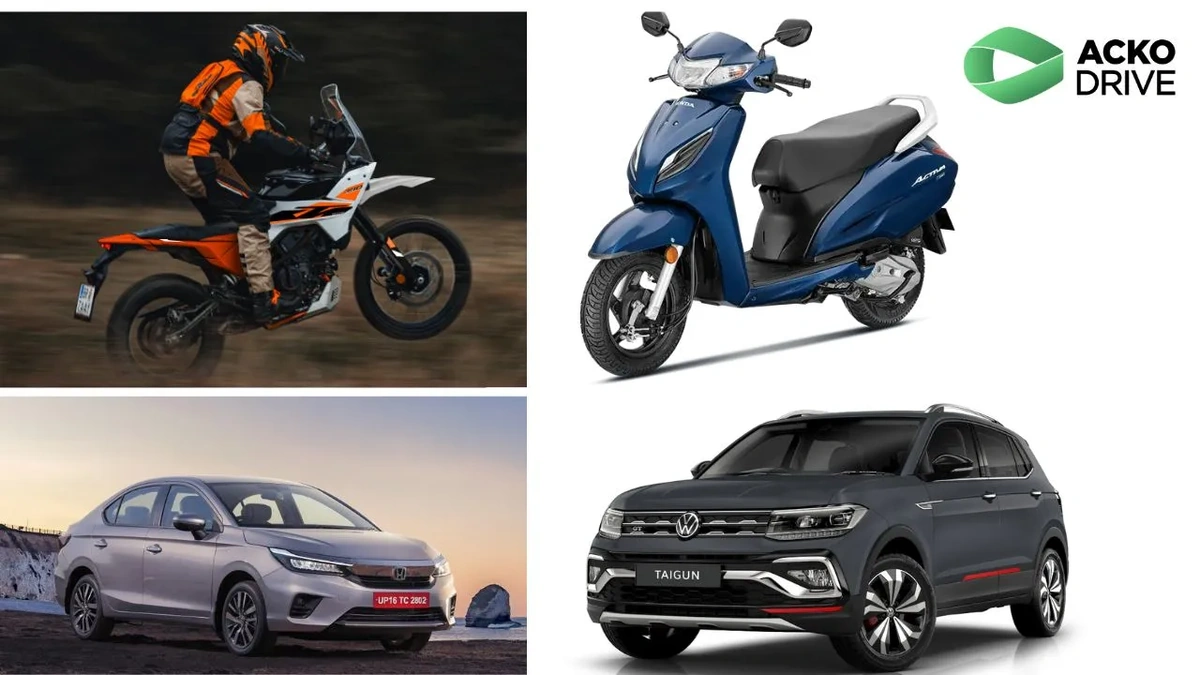
October brought a burst of festive cheer to the Indian automotive market, with the Federation of Automobile Dealers Associations (FADA) reporting a significant 40.5% surge in overall < strong > auto retail sales < /strong > compared to the same period last year. That’s not just a number; it’s a sign of renewed consumer confidence and a market eager to rev its engines after a period of relative slowdown. But why this sudden surge? And what does it mean for the future of the Indian automotive industry? Let’s dive in; it’s more than just the festive season at play here.
The Festive Factor and Beyond
Yes, the festive season – encompassing Dussehra and Diwali – undoubtedly played a crucial role. It’s when many Indian families consider big-ticket purchases. However, attributing the entire surge to mere festivities would be an oversimplification. Several underlying factors contributed to this impressive growth, and understanding them is key to grasping the bigger picture. What fascinates me is the resilience of the Indian consumer, their unwavering spirit to celebrate and invest, even amidst global economic uncertainties.
One of the key drivers was the strong performance of two-wheelers (2Ws), which saw a substantial increase in sales. This segment is often considered a barometer of the rural economy, and its growth suggests improved purchasing power in these areas. Commercial Vehicles (CVs) also contributed significantly, indicating a revival in infrastructure projects and overall economic activity. Passenger Vehicles (PVs), the preferred choice for families, also witnessed robust growth, fueled by new model launches and attractive financing options. According to FADA reports < /a>, this comprehensive growth across segments points to a more sustainable recovery.
Behind the Numbers | Decoding the ‘Why’
Here’s the thing: numbers alone don’t tell the full story. To truly understand the significance of this 40.5% jump, we need to analyze the underlying reasons. For instance, pent-up demand from the previous year, when the market faced various challenges, played a role. Supply chain disruptions, which had plagued the industry for months, began to ease, allowing manufacturers to ramp up production and meet the growing demand.
But there’s more. Government policies and initiatives aimed at boosting the automotive sector also had a positive impact. Lower interest rates, coupled with attractive financing schemes offered by banks and NBFCs, made it easier for consumers to purchase vehicles. Furthermore, the increasing preference for personal mobility, driven by health and safety concerns in the wake of the pandemic, fueled demand for both two-wheelers and passenger vehicles. This shift in consumer behavior is something that’s likely to stay. By the way, you can read more about the market on market volatility < /a>.
The Road Ahead | Challenges and Opportunities
While the October sales figures are undoubtedly encouraging, the Indian automotive industry still faces several challenges. The rising cost of raw materials, particularly steel and aluminum, continues to put pressure on manufacturers’ profit margins. Furthermore, the transition to electric vehicles (EVs) poses both a challenge and an opportunity. While EV sales are growing rapidly, the industry needs to invest heavily in charging infrastructure and battery technology to support this transition.

And, let’s be honest, the global economic slowdown and geopolitical uncertainties could also dampen consumer sentiment and impact sales in the coming months. However, the long-term outlook for the Indian automotive industry remains positive. The country’s growing middle class, rising disposable incomes, and increasing urbanization will continue to drive demand for vehicles. Moreover, the government’s focus on infrastructure development and promoting local manufacturing will create new opportunities for growth.
LSI Keywords in Action
Weaving in some relevant terms, you’ll also find that the growth in < strong > commercial vehicle sales < /strong > indicates a broader economic recovery. < strong > Passenger vehicle demand < /strong > remains strong, and < strong > two-wheeler sales figures < /strong > suggest rural market buoyancy. The role of < strong > government incentives < /strong > cannot be ignored and the < strong > automotive industry outlook < /strong > seems positive, while challenges like < strong > rising input costs < /strong > still need addressing. The recent < strong > auto sales data < /strong > certainly gives cause for optimism.
The ‘How’ Angle | Navigating the Auto Market as a Consumer
So, how can you, as a consumer in India, navigate this dynamic automotive market? First, do your research. Compare different models, read reviews, and talk to other owners before making a decision. Second, take advantage of the various financing options available. Shop around for the best interest rates and loan terms. Third, consider the total cost of ownership, including fuel, maintenance, and insurance. And finally, be prepared to negotiate. Dealers are often willing to offer discounts, especially during the festive season.
I initially thought this was straightforward, but then I realized that many people overlook the importance of after-sales service. Check the dealership’s reputation for service quality and availability of spare parts. A good after-sales experience can make a huge difference in your overall ownership experience. Oh and by the way, did you read this article on Toyota Kirloskar < /a>?
The Emotional Angle | A Sense of Progress
Ultimately, the 40.5% jump in < strong > auto retail sales < /strong > represents more than just a statistic. It symbolizes a sense of progress, a feeling of optimism, and a belief in the future. It reflects the aspirations of millions of Indians who dream of owning their own vehicle, whether it’s a humble scooter or a luxurious sedan. And it demonstrates the resilience of the Indian economy and its ability to bounce back from adversity.

Let me rephrase that for clarity: This isn’t just about cars and bikes; it’s about dreams, aspirations, and the unwavering spirit of a nation on the move. What fascinates me is how deeply intertwined our vehicles are with our personal stories, our journeys, and our sense of identity.
FAQ Section
Frequently Asked Questions
What factors contributed to the significant increase in auto retail sales?
The festive season, pent-up demand, easing supply chain disruptions, government policies, and a preference for personal mobility all played a role.
How will the transition to EVs impact the industry?
It presents both a challenge and an opportunity, requiring significant investment in charging infrastructure and battery technology.
What should consumers consider when buying a vehicle?
Research different models, compare financing options, consider the total cost of ownership, and negotiate with dealers.
Are rural markets contributing to the growth in auto sales?
Yes, the strong performance of two-wheelers suggests improved purchasing power in rural areas.

What are the biggest challenges facing the Indian automotive industry?
Rising raw material costs, the transition to EVs, and global economic uncertainties.
Where can I find more details on the current auto sales trends?
You can refer to the official FADA website or reputable industry publications for in-depth analysis.
So, as the Indian automotive industry navigates the road ahead, one thing is clear: it’s a journey filled with both challenges and opportunities. But with its inherent resilience, innovative spirit, and unwavering consumer demand, the industry is well-positioned to continue driving India’s economic growth. The future looks bright, with both electric and combustion engines.