
 By Ravi Singh
Let’s be honest, the stock market can feel like navigating a maze sometimes, right? You’re bombarded with data, analysts throwing around terms you barely understand, and the constant fear of making the wrong move. But what if I told you there’s a relatively straightforward tool that can help you assess a company’s value? I’m talking about the Price to Sales Ratio (P/S ratio), and today, we’re going to break it down specifically for the Automobile Corporation of Goa (ACG).
What is the Price to Sales Ratio and Why Should You Care?
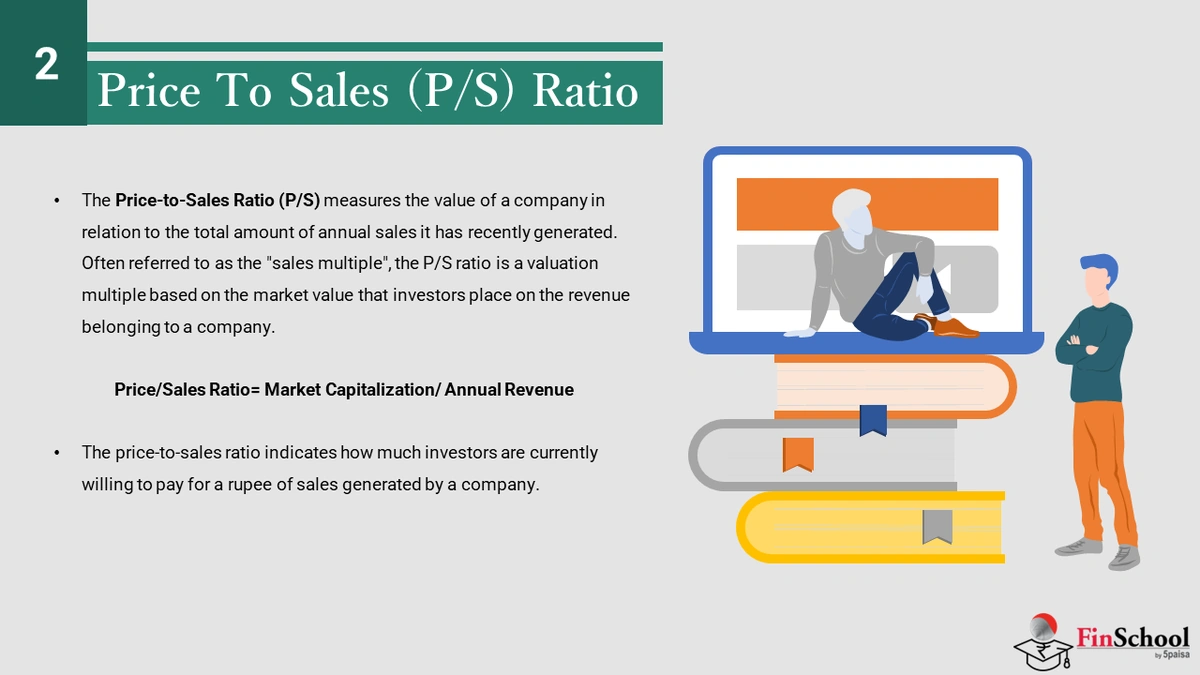
So, what exactly is this P/S ratio? Simply put, it compares a company’s market capitalization (its total value in the stock market) to its total revenue (sales). Think of it like this: you’re trying to figure out how much you’re paying for each rupee of sales the company generates. It’s a valuable tool because, unlike earnings, sales are less susceptible to accounting tricks and manipulations. A common mistake I see people make is relying solely on the P/S ratio, but it can be an incredible metric when used in conjunction with others for sound stock analysis . It is especially helpful for companies, such as Automobile Corporation of Goa, that might not yet be profitable.
Why is this useful for ACG? Well, the automobile industry is cyclical, with sales fluctuating based on economic conditions and consumer sentiment. The P/S ratio can offer a more stable view of ACG’s value compared to metrics that are heavily influenced by short-term profits or losses.
Digging Deeper | Applying the P/S Ratio to Automobile Corporation of Goa
Okay, enough theory. Let’s get practical. How do you actually use the P/S ratio to analyze ACG? First, you’ll need to find the company’s market cap and its most recent annual revenue. You can usually find this information on financial websites likeNSE Indiaor reputable stock analysis platforms. Then, divide the market cap by the revenue – that’s your P/S ratio.
But here’s the thing: a single number doesn’t tell the whole story. You need to compare ACG’s P/S ratio to its competitors in the auto industry. Is ACG’s P/S ratio higher or lower than its peers? A lower P/S ratio might suggest that the stock is undervalued, while a higher ratio might indicate overvaluation. However, keep in mind that a higher P/S ratio can also be justified if the company is growing faster than its competitors or has better profit margins. For example, let’s say ACG has a P/S ratio of 0.8, while its competitors average 1.2. This could mean ACG is undervalued. But, it’s important to understand why. Is it because they aren’t as efficient? Or are they poised for growth that hasn’t been recognized yet?
Strategic Stop-Loss Orders and P/S Ratio
Let’s talk about protecting your investment. The P/S ratio can indirectly inform your stop-loss strategies . A stop-loss order automatically sells your shares if the price drops to a certain level, limiting your potential losses. But how does this relate to the P/S Ratio? Let me rephrase that for clarity… The P/S Ratio helps you understand if the market sentiment around a particular stock is changing.
If you see the P/S ratio for ACG decreasing over time, and it’s also underperforming its competitors, it might be an indicator that the stock price will fall. In such a scenario, you may want to use a tighter stop-loss to prevent significant losses. The analysis goes much deeper, but a P/S ratio is a great indicator to begin assessing risk.
Beyond the Ratio | Factors to Consider
What fascinates me is that the P/S ratio isn’t a magic bullet. It’s just one piece of the puzzle. Here are some other factors to consider when analyzing ACG:
- Growth Prospects: Is ACG expanding into new markets? Are they launching innovative products? Strong growth potential can justify a higher P/S ratio.
- Profitability: Even if a company has high sales, it needs to be profitable to be a good investment. Look at ACG’s profit margins and compare them to its competitors.
- Debt Levels: High debt can put a strain on a company’s finances and limit its ability to grow. Check ACG’s debt-to-equity ratio.
- Management Quality: Is the company run by competent and ethical leaders? A strong management team can make all the difference.
And don’t forget the broader economic environment! Interest rates, inflation, and overall economic growth can all impact the automobile industry and ACG’s performance.
Looking Ahead | The Future of ACG and the P/S Ratio
The automobile industry is undergoing a massive transformation, with electric vehicles (EVs) and autonomous driving technologies becoming increasingly important. How is ACG adapting to these changes? Are they investing in EVs? Are they partnering with technology companies to develop autonomous driving solutions? These are critical questions to consider when assessing ACG’s long-term prospects. The company’s future initiatives in NEV (New Energy Vehicle) adoption will influence its stock analysis as the company transforms alongside its competitors.
What I initially thought was straightforward, I realized requires an informed decision which is about understanding both the numbers (like the P/S ratio) and the broader context in which ACG operates.
Remember, investing in the stock market involves risk. Never invest more than you can afford to lose, and always do your own research before making any investment decisions. Evaluating trends in the industryand with ACG is important before investing.
FAQ Section
Frequently Asked Questions
What is a good P/S ratio?
Generally, a P/S ratio under 1.0 is considered good, but it depends on the industry.
How often should I check the P/S ratio?
It’s a good idea to check it quarterly or annually, especially after earnings reports.
Can I use the P/S ratio for all companies?
It’s most useful for companies with consistent sales, like retailers or manufacturers. It can be very telling with Automobile Corporation of Goa.
What if I don’t understand the financial statements?
There are many online resources and courses that can help you learn about financial analysis.
Is the P/S ratio the only metric I should use?
No, it’s just one factor to consider. Look at other metrics like profitability, debt levels, and growth prospects.
In conclusion, the Price to Sales Ratio is more than just a number; it’s a key to unlocking a deeper understanding of a company’s potential. When applied thoughtfully, and combined with other analysis techniques, it can be a powerful tool to inform your investment decisions. It will help you stay ahead in your stock market journey.