
 By Ravi Singh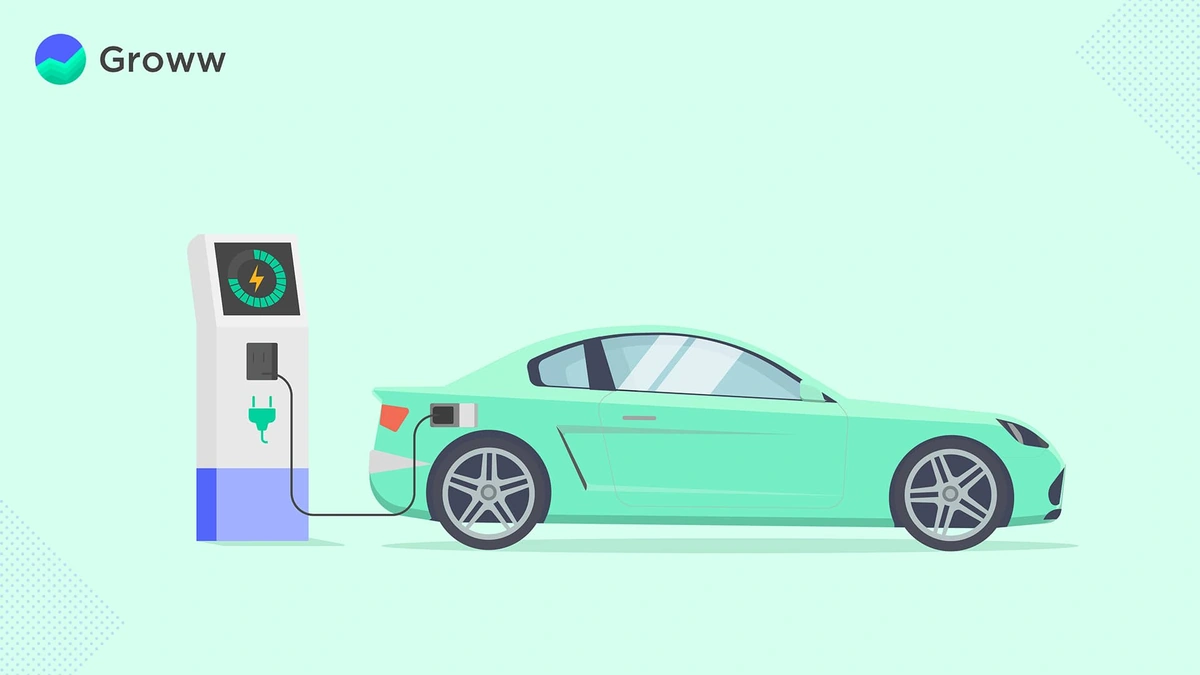
The electric vehicle (EV) market is a fascinating beast, isn’t it? One minute it’s roaring ahead, the next it’s hitting a few bumps in the road. And South Korea, a nation known for its tech prowess and automotive giants like Hyundai and Kia, is no exception. Here’s the thing: while there are some shifts happening in the South Korea EV sector , one material is holding steady, even thriving – aluminium.
The Curious Case of Diverging Trends | Why Should You Care?
Let’s be honest, market trends can be drier than a week-old roti. But this isn’t just about numbers; it’s about understanding where the future of transportation is headed, especially if you’re an investor, an automotive enthusiast, or even just someone curious about the tech that’ll be zipping around our streets soon. We need to see why electric vehicle adoption is seeing this interesting trend.
So, what’s actually going on? Well, recent reports suggest that EV sales growth in South Korea has slowed down a bit. Not stopped, mind you, just… moderated. There are a few reasons for this, including government policy changes, fluctuating battery prices, and maybe even a bit of consumer hesitation as the initial EV hype settles down. It’s a natural ebb and flow. But, and this is a big BUT, the demand for aluminium in the EV sector remains surprisingly robust. This is happening as the South Korea EV sector continues to navigate a complex landscape of environmental regulations .
Aluminium | The Unsung Hero of the EV Revolution
Now, you might be thinking, “Aluminium? Isn’t that just for soda cans and foil?” Far from it! Aluminium is a critical component in modern EVs. Why? Because it’s lightweight, strong, and corrosion-resistant – the trifecta of qualities needed to build efficient and durable electric cars. The push for lightweight materials is a crucial one.
Think about it: EVs are trying to overcome “range anxiety,” that nagging fear of running out of battery. One way to extend range is to reduce weight. Lighter cars need less energy to move, plain and simple. That’s where aluminium steps in, replacing heavier steel components in everything from the chassis to the battery housing. What fascinates me is how crucial aluminium is to increasing efficiency!
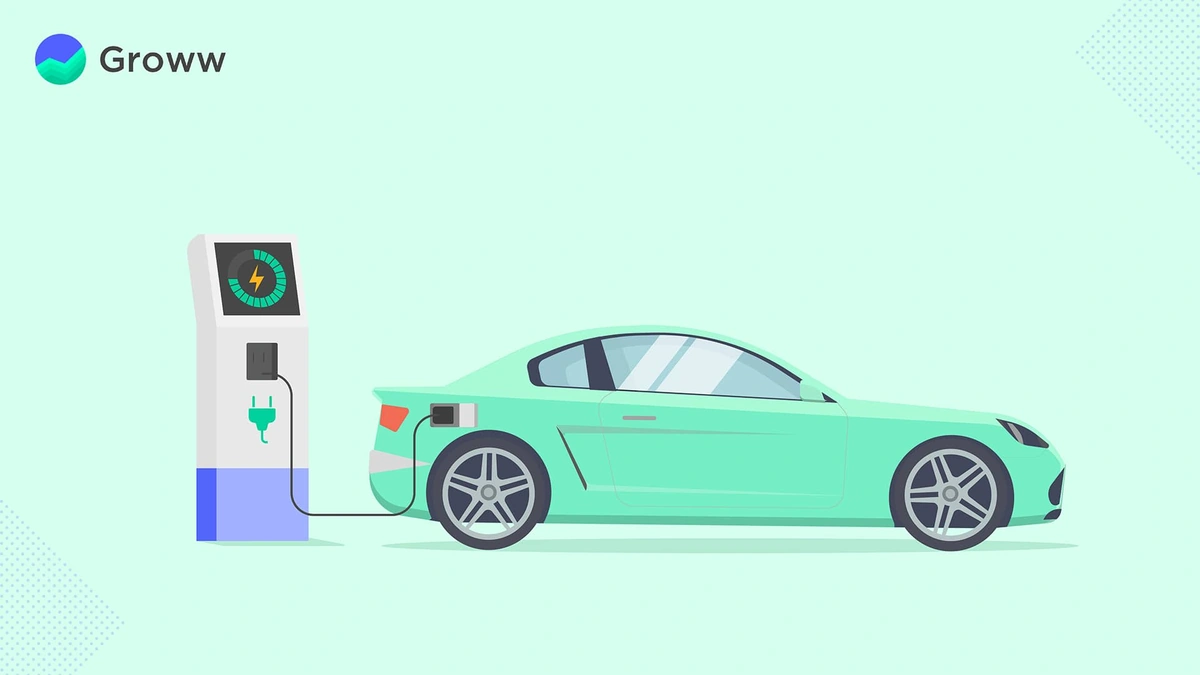
And, of course, as electric vehicles become more mainstream, the demand for improved charging infrastructure must also be met. This requires components such as aluminium casings for charging stations. This growing need only underscores the material’s staying power.
Decoding the Aluminium-EV Connection | A Deeper Dive
Let me rephrase that for clarity: The connection between aluminium demand and the EV market isn’t just about replacing steel. It’s more nuanced than that. As EVs evolve, manufacturers are constantly seeking ways to improve performance, safety, and sustainability. Aluminium plays a crucial role in all these areas. The focus on sustainability is paramount in the South Korea EV sector. What is the material impact of the government incentives ?
For example, advanced aluminium alloys are being used to create stronger and more energy-efficient battery enclosures. These enclosures not only protect the battery pack from damage but also help to regulate its temperature, which is crucial for optimal performance and longevity. Furthermore, aluminium is highly recyclable, making it an attractive material from an environmental perspective. The commitment to recyclable materials helps the automotive industry move toward circular economy goals.
I initially thought this was straightforward, but then I realized that the implications are far-reaching. The continued strength in aluminium demand, despite the slowing EV sales growth, suggests a fundamental shift in the way EVs are being designed and manufactured. It also indicates that companies involved in aluminium production and processing could be well-positioned to benefit from the long-term growth of the EV market. By staying abreast of these developments, you can make better decisions about your personal investments.
Future Outlook | Aluminium’s Role in the Evolving EV Landscape
So, what does the future hold? Well, I predict that aluminium’s role in the EV sector will only continue to grow. As battery technology improves and charging infrastructure expands, EVs will become even more appealing to consumers. And as manufacturers strive to create lighter, more efficient, and more sustainable vehicles, aluminium will remain a key material of choice. As per trends, the focus on battery technology is expected to boost growth.
But, and this is important, the type of aluminium used in EVs is also evolving. We’re seeing a growing demand for high-strength, lightweight alloys that can withstand the rigors of daily driving. This is creating opportunities for companies that can develop and produce these advanced materials. I recommend keeping an eye on developments with aluminium alloy production.
What fascinates me is the innovation happening in the space. The [ Internal Link Pool ] emergency notification system is very closely linked with traffic managment. And the other internal link to [ Internal Link Pool ] kashmir police blast shows the growth and challenges present.
Conclusion | Aluminium’s Enduring Appeal
In conclusion, while the South Korea EV sector may be experiencing some growing pains, the demand for aluminium remains strong. This is due to the material’s unique combination of properties, including its light weight, strength, and recyclability. As EVs continue to evolve, aluminium will play an increasingly important role in shaping the future of transportation. Remember to visit the Aluminium Association to stay updated on industry news.
Here’s why this matters: it’s a reminder that even in rapidly changing markets, some things remain constant. In this case, it’s the fundamental need for lightweight, durable, and sustainable materials to build the vehicles of the future.
FAQ
Will aluminium prices rise as EV demand increases?
Potentially, yes. Increased demand typically puts upward pressure on prices. However, factors like increased production capacity and recycling efforts could help to mitigate price increases.
Is aluminium really that much lighter than steel?
Yes, aluminium is significantly lighter than steel – about one-third the weight. This makes a big difference in vehicle efficiency.
What are the environmental benefits of using aluminium in EVs?
Aluminium is highly recyclable, reducing the need for virgin materials. Lighter vehicles also consume less energy, reducing emissions.
Are there any downsides to using aluminium in EVs?
Aluminium can be more expensive than steel. Also, some high-strength steel alloys offer comparable strength at a lower cost, though they are typically heavier. Always consider the raw material costs !