
 By Ravi Singh
Okay, let’s talk about the Honda Activa Production Halt . Not just the what, but the why. We’ve all seen the headlines: Honda’s pulled the plug on its electric Activa, citing low sales. But that’s just the surface. What’s really going on here? And more importantly, what does it mean for the future of electric scooters in India?
The Reality Behind the Numbers | Why the Activa Electric Failed to Ignite
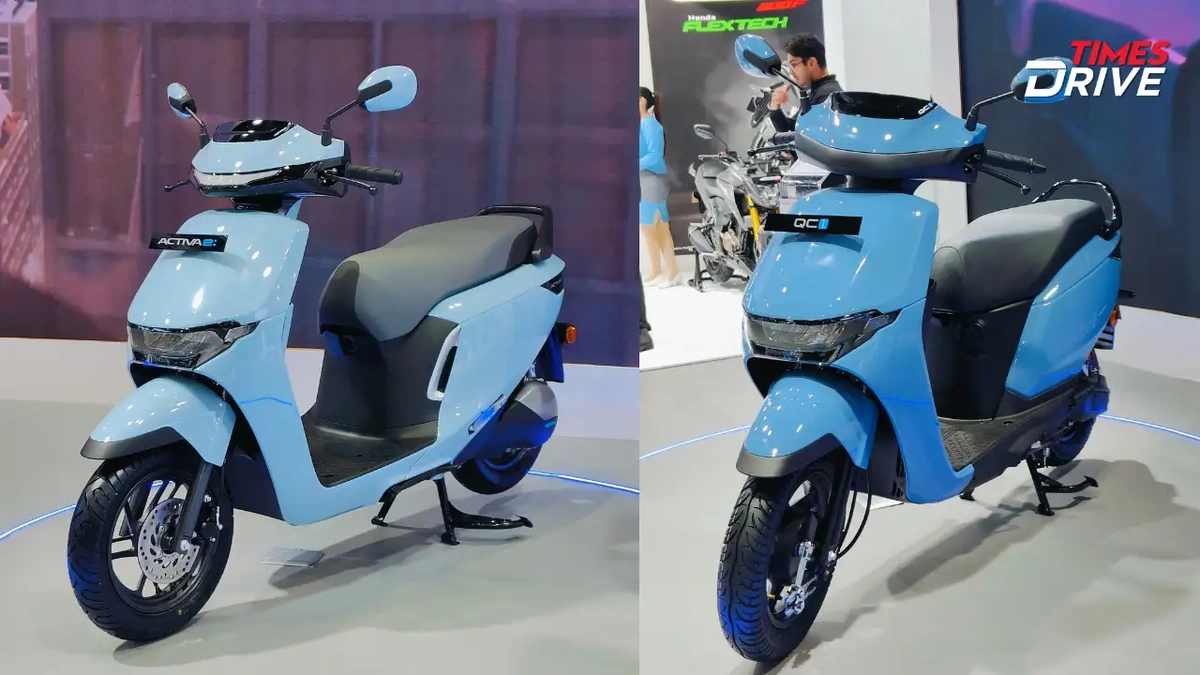
Here’s the thing: electric vehicles, especially scooters, are supposed to be the future, right? Environmentally friendly, cheaper to run… the whole shebang. So why did the electric Activa, a scooter from such a trusted brand, stumble? It’s not a simple answer, let me tell you. I initially thought that pricing was the only issue, but there’s more to it than that.
First, let’s address the elephant in the room: cost. Electric scooters, even with subsidies, often carry a higher upfront price tag than their petrol-powered counterparts. And for the average Indian consumer, especially in smaller towns, that initial investment is a big hurdle. There’s a certain hesitation to jump on the electric scooter market bandwagon.
But price isn’t everything. A big factor is range anxiety. How far can you really go on a single charge? And what happens if you run out of juice in the middle of nowhere? The charging infrastructure in India is still developing. While metro cities have seen some progress, availability of charging points in tier 2 and tier 3 cities – where a huge chunk of the scooter-buying population resides – is still a major concern.
Honda, like all manufacturers, has to constantly adapt to changing market dynamics. This recent Activa electric scooter development underscores the importance of understanding consumer preferences and market readiness. This halt in production might just be a strategic pause, allowing Honda to re-evaluate and come back stronger, perhaps with a more affordable and practically viable electric scooter in the future.
The Ripple Effect | What Does This Mean for the Indian EV Market?
So, Honda throws in the towel (for now). What does this mean for the broader Indian EV market? Is this a sign of doom and gloom? Not necessarily. I think it’s more of a reality check. See, the Indian market is unique. We’re not just going to blindly adopt whatever the West is doing. We need solutions that are tailored to our specific needs and budgets.
This situation highlights the need for manufacturers to focus on building robust charging infrastructure. It isn’t just about creating great electric scooters; it’s about creating an ecosystem that supports them. And that requires a collaborative effort from the government, private companies, and even consumers themselves. The government should provide additional incentives and tax breaks for the adoption of electric scooters , making them more attractive to the average consumer.
But it’s not all on the manufacturers and the government. As consumers, we need to be realistic about our expectations. Electric scooters are not magic carpets. They have their limitations. But they also have huge potential. We need to be willing to experiment, to adapt, and to provide constructive feedback to manufacturers so they can build better products. Check out this article on the balance sheets of the automobile market for deeper insights.
Looking Ahead | The Future of Electric Scooters in India
Okay, so what’s the takeaway here? Is the dream of an electric scooter-filled India dead? Absolutely not. The road to electrification is paved with challenges, and the Honda Activa’s production halt is just one bump in the road. What fascinates me is how companies like Ola Electric are aggressively pursuing their own EV strategies, showcasing a diverse range of electric vehicle initiatives across the nation. These strategies often include expanding charging infrastructures and enhancing product offerings to meet consumer demand.
The next few years are going to be crucial. We’ll see new technologies emerge, prices will come down, and the charging infrastructure will continue to improve. And as consumers, we’ll become more informed and more demanding. We’ll demand scooters that are not just environmentally friendly but also practical, affordable, and reliable. The push for sustainable transportation methods will encourage more EV adaption across India.
And you know what? I think we’ll get there. The Indian market is resilient, adaptable, and hungry for innovation. The brands need to continue to invest in research and development to improve the performance and durability of electric scooters.
So, while the news of the Honda Activa’s production halt might seem like a setback, I see it as an opportunity. An opportunity to learn, to adapt, and to build a better future for electric mobility in India. But , let’s be clear, the future of the electric scooter market hinges on addressing these fundamental issues of cost, range, and infrastructure. Read more about the Indian automobile market to get a better understanding of the overall picture.
The Cost of Charging | Understanding the Pricing Structure
A critical factor influencing the adoption of electric scooters is the cost of charging . Unlike traditional petrol vehicles, electric scooters require access to charging stations, which can vary in pricing structures. Public charging stations often charge per unit of electricity consumed, while home charging units require an upfront investment for installation but offer lower long-term running costs. Understanding these pricing differences can help consumers make informed decisions and budget effectively for their electric scooter usage.
Electric Scooter’s Battery Life | Maximizing Performance and Longevity
One of the primary concerns for potential electric scooter buyers is electric scooter’s battery life . The lifespan of an electric scooter battery is influenced by several factors, including usage patterns, charging habits, and environmental conditions. Regular maintenance, such as avoiding overcharging and maintaining optimal temperatures, can significantly extend the battery life and ensure consistent performance. Investing in high-quality batteries and adhering to manufacturer recommendations can help maximize the longevity of the electric scooter.
FAQ Section
Frequently Asked Questions
What if I’m worried about the range of an electric scooter?
Start by understanding your daily commuting needs. Look for scooters with a range that comfortably exceeds your typical daily travel distance. Also, plan your routes to include charging stations if you anticipate longer trips.
Are electric scooters expensive to maintain?
Generally, electric scooters have lower maintenance costs compared to petrol scooters. They have fewer moving parts, eliminating the need for regular oil changes and other engine-related maintenance. However, battery replacements can be a significant expense, so consider battery warranties when purchasing.
What incentives are available for buying electric scooters in India?
The central and state governments offer various subsidies, tax benefits, and incentives to promote the adoption of electric vehicles. These incentives can significantly reduce the upfront cost of purchasing an electric scooter. Check your state’s transport department website for the latest information on available incentives.
How long does it take to charge an electric scooter?
Charging times vary depending on the scooter’s battery capacity and the type of charger used. A full charge can take anywhere from 3 to 6 hours using a standard home charger. Fast chargers available at public charging stations can significantly reduce charging times.
Is it safe to ride an electric scooter in the rain?
Most electric scooters are designed to be water-resistant, but it’s essential to check the manufacturer’s specifications for water resistance ratings. Avoid riding through deep puddles or flooded areas, and take extra precautions to ensure good visibility and traction.
The Honda Activa Production Halt is a reminder that innovation is not always a straight line. Sometimes, you have to take a step back to take two steps forward. The electric scooter revolution in India is just getting started, and I, for one, am excited to see what happens next.