
 By Ravi Singh
Let’s be honest, the future is barreling towards us faster than we think, and one of the biggest indicators is the rise of driverless systems . When I first heard about the forecasted growth in driverless vehicle sales, I was intrigued. Not just by the numbers, but by what they mean. What does a world dominated by autonomous vehicles actually look like? It’s more than just robot taxis, folks. It’s a fundamental shift in how we live, work, and move.
The “Why” Behind the Driverless Revolution
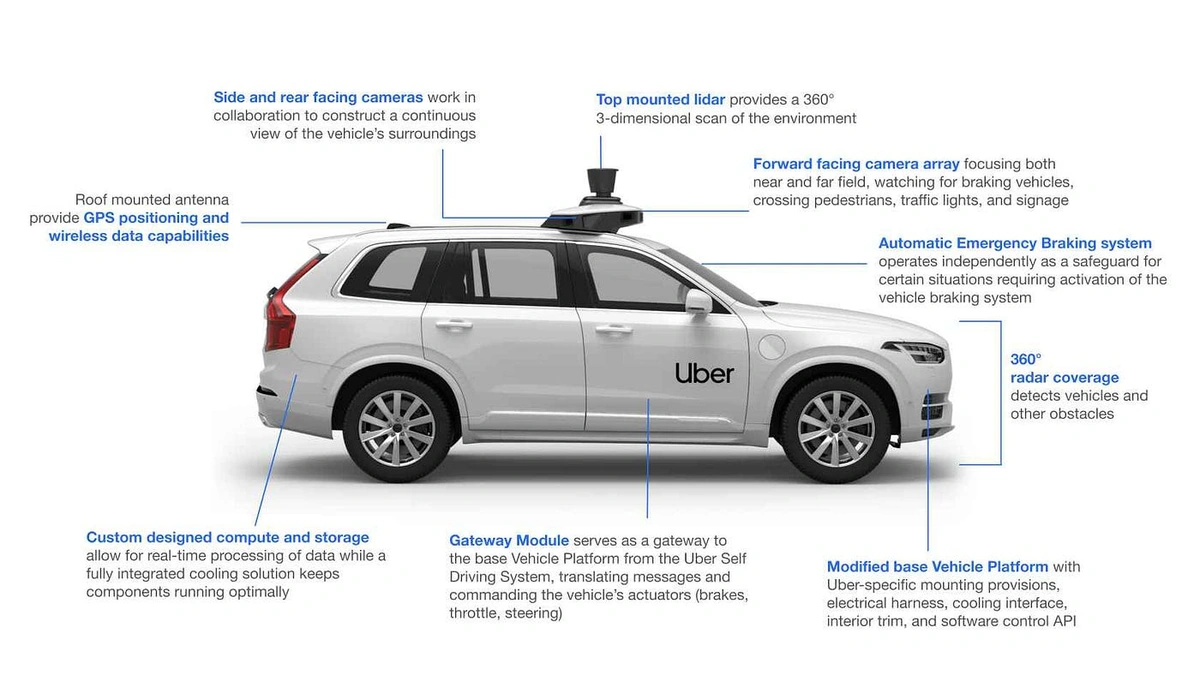
We’re not just talking about convenience here, though that’s definitely a factor. The real driver (pun intended!) behind this surge is a cocktail of factors. There’s the obvious appeal of increased safety – theoretically, computers are less prone to human error behind the wheel. But there’s also the potential for massive economic gains. Think about the logistics industry, for example. Imagine fleets of self-driving trucks operating 24/7, optimizing delivery routes and minimizing downtime. That’s a game-changer. And it’s not just about cost savings. Autonomous vehicles could create entirely new business models we haven’t even dreamed of yet. But this also brings to light job displacement issues that our country should prepare for.
Now, if we consider the global picture, the demand will come from all corners. Global markets , as cited in numerous analyses, are poised for expansion. This isn’t just a Western phenomenon. Rapid urbanization in developing countries is creating a massive need for efficient and safe transportation solutions. Driverless vehicles could be particularly transformative in these regions, offering access to mobility for people who are currently underserved by existing infrastructure.
Key Players Shaping the Autonomous Landscape
Who are the giants battling it out for dominance in this space? Well, you’ve got the usual suspects – the Teslas and Googles of the world, pouring billions into research and development. But don’t count out the established automakers. Companies like Ford and General Motors are making huge strides in autonomous technology, leveraging their existing manufacturing expertise and global distribution networks. But it’s also a playing field for innovative startups who are creating waves with groundbreaking solutions. Think about companies specializing in sensor technology or AI-powered navigation systems. They might not be household names yet, but they are definitely crucial pieces of the puzzle. Asautomobile industry expertshave suggested, collaboration and competition will shape the next stage. Remember, the companies that adapt and evolve the fastest will be the ones that ultimately succeed.
And the types of products available are incredibly diverse. From fully autonomous cars designed for ride-sharing services to self-driving trucks for freight transport, the range of product types is constantly expanding. We’re even seeing the emergence of autonomous agricultural equipment and mining vehicles, proving that the applications extend far beyond traditional transportation. What fascinates me is the sheer ingenuity being applied to solve real-world problems using driverless technology.
Applications Beyond the Road | Where Else Will Driverless Systems Take Us?
Okay, so we’ve talked about cars and trucks, but let’s think bigger. Consider the potential for autonomous delivery drones to revolutionize e-commerce. Imagine receiving your online order within minutes of placing it, delivered right to your doorstep by a drone. Or picture self-driving buses providing affordable and accessible public transportation in rural areas. The possibilities are truly endless. This technology is not just about replacing human drivers; it’s about creating entirely new ecosystems of mobility and logistics. For example, one of the surprising applications is in waste management, which allows for efficient and less expensive service.
And the forecasted growth? Well, analysts predict a multi-billion dollar market by 2025. That’s not just hype; it’s based on real data and tangible progress in the field. Of course, there are still challenges to overcome. Regulatory hurdles, public perception, and technological limitations all need to be addressed. But the momentum is undeniable. The driverless revolution is coming, and it’s going to change everything.
Navigating the Road Ahead | Challenges and Opportunities
It’s not all sunshine and roses, though. One of the biggest hurdles is public trust. Let’s be honest, the idea of ceding control of a vehicle to a computer can be scary. And high-profile accidents involving self-driving cars haven’t exactly helped. Overcoming this fear will require transparency, rigorous testing, and clear communication about the safety benefits of the technology. Also,the role of vehicle dealershas to adapt to this disruptive technology. Then there’s the ethical dilemma. How should autonomous vehicles be programmed to handle unavoidable accident scenarios? These are complex questions that society needs to grapple with. But the potential rewards – safer roads, more efficient transportation, and new economic opportunities – are too great to ignore.
And don’t forget the regulatory landscape. Governments around the world are scrambling to develop frameworks for regulating autonomous vehicles. This is a tricky balancing act. On one hand, we need regulations to ensure safety and accountability. On the other hand, we don’t want to stifle innovation with overly restrictive rules. Finding the right balance will be crucial to unlocking the full potential of driverless technology. Ensuring autonomous navigation systems are secure and protected from cyberattacks is just as important as the physical safety of vehicles.
Final Thoughts | Embracing the Autonomous Future
So, where does all this leave us? Well, I believe we’re on the cusp of a major transformation in how we move around the world. Driverless vehicles are not just a futuristic fantasy; they are a rapidly approaching reality. Yes, there will be challenges along the way. But the potential benefits are too significant to ignore. By embracing innovation, addressing ethical concerns, and fostering collaboration between industry, government, and the public, we can pave the way for a safer, more efficient, and more equitable transportation future. The next few years will be fascinating to watch as this technology continues to evolve and reshape our world.
FAQ Section
What are the main benefits of driverless vehicles?
The main benefits include increased safety due to reduced human error, improved traffic flow, increased accessibility for people with disabilities, and potential cost savings through optimized fuel consumption and reduced labor costs.
When will fully autonomous vehicles be widely available?
While predictions vary, most experts estimate that fully autonomous vehicles will be widely available sometime between 2025 and 2030. However, widespread adoption will depend on regulatory approvals, technological advancements, and public acceptance.
What are the biggest challenges facing the driverless vehicle industry?
Some of the biggest challenges include ensuring safety and reliability, addressing ethical dilemmas, developing robust regulatory frameworks, overcoming public skepticism, and protecting against cyberattacks.
How will driverless vehicles impact the job market?
Driverless vehicles are likely to displace some jobs in the transportation sector, such as truck drivers and taxi drivers. However, they could also create new jobs in areas such as software development, data analysis, and maintenance. Retraining and upskilling initiatives will be crucial to help workers transition to these new roles.
Are driverless vehicles safe?
While accidents involving driverless vehicles have occurred, studies suggest that they have the potential to be much safer than human-driven vehicles. Autonomous systems are less prone to human error, such as drunk driving, distracted driving, and fatigue. However, rigorous testing and validation are essential to ensure the safety and reliability of these systems.
What kind of maintenance do driverless vehicles need?
Driverless vehicles will require regular maintenance to ensure their sensors, software, and mechanical components are functioning properly. This maintenance could include sensor calibration, software updates, and routine inspections.