
 By Ravi Singh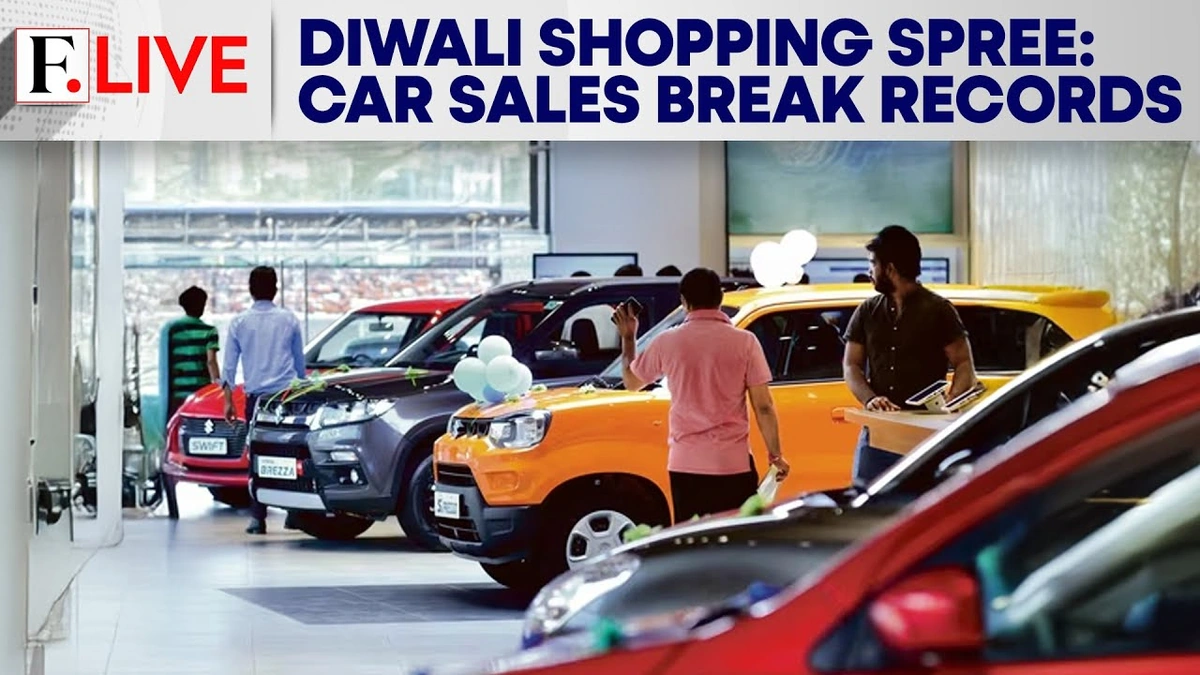
Okay, let’s dive into the latest data on automobile sales in India. It’s not just numbers; it’s a story about shifting preferences, economic undercurrents, and what we Indians are really looking for when it comes to getting around. The Society of Indian Automobile Manufacturers (SIAM) has dropped its latest report, and while the headlines scream about a 2% rise in two-wheeler shipments and a boost in passenger vehicle (PV) sales thanks to SUVs, there’s more to it than meets the eye.
What fascinates me is the ‘why’ behind these numbers. It’s not enough to know that sales went up; we need to understand why they went up, and what that tells us about the Indian consumer right now.
The SUV Surge | More Than Just a Trend
So, the PV segment is getting a push from the SUV market. Big deal, right? Wrong. Here’s the thing: India is a price-sensitive market. Always has been, always will be. The fact that SUVs are doing so well tells us a few things.
First, aspirational value is huge. Indians, especially the burgeoning middle class, want to signal success and upward mobility. An SUV does that. It’s a statement. But, and this is a big ‘but,’ it’s not just about showing off. Road conditions in many parts of India are, shall we say, less than ideal. An SUV offers better ground clearance, a more robust build, and a sense of security when navigating potholes the size of small craters. This is impacting the passenger vehicle sales .
Second, manufacturers have gotten smarter. They’re offering SUVs in a wider price range, making them accessible to a larger slice of the population. It’s no longer just about the high-end, gas-guzzling behemoths. We’re seeing smaller, more fuel-efficient SUVs that are perfectly suited for urban commutes and weekend getaways. Read more here .
Third, marketing plays a crucial role. SUVs are being portrayed as the vehicle of choice for the modern Indian family – safe, spacious, and stylish. It’s a powerful message that resonates with a lot of people.
Two-Wheeler Sales | A Mixed Bag
A 2% increase in two-wheeler shipments? On the surface, it seems decent. But let’s be honest, it’s not exactly setting the world on fire. Here’s where we need to dig a little deeper. The rise in two-wheeler sales can be attributed to multiple factors, including but not limited to increased affordability and availability of different models.
Rural demand is a key driver. In many parts of India, a two-wheeler is still the most practical and affordable mode of transportation. It’s a lifeline for connecting villages to towns and cities, and for enabling people to access education, healthcare, and employment opportunities. But, this is where it gets interesting. The growth isn’t uniform. Scooters are doing well in urban areas, particularly among women. Motorcycles are still the workhorse of rural India, but electric scooters and bikes are slowly gaining traction. These are the latest auto industry trends .
What about the future? Well, the electric two-wheeler market is poised for significant growth. Government subsidies, falling battery prices, and growing environmental awareness are all contributing to this trend. But, range anxiety and charging infrastructure remain major hurdles.
The Economic Context | What’s Really Going On?
Automobile sales don’t exist in a vacuum. They’re a reflection of the overall health of the economy. And right now, the Indian economy is a bit of a mixed bag. We’re seeing decent growth, but inflation is a concern. Interest rates are rising, which makes it more expensive to finance a vehicle. See here for more details .
So, why are people still buying cars and bikes? Well, for some, it’s a necessity. For others, it’s a calculated risk. They might be betting that their income will rise in the future, or that the value of their vehicle will hold up well. And then there’s the emotional factor. Let’s face it, buying a new car or bike is exciting! It’s a reward for hard work, and a symbol of progress.
I initially thought this was straightforward data reporting, but then I realized it’s a complex tapestry of economic factors, aspirational desires, and practical needs.
SIAM Data | The Devil is in the Details
Let’s rephrase that for clarity…SIAM’s data is valuable, but it’s not the whole story. It’s a snapshot in time. It tells us what happened, but not necessarily why it happened. To understand the ‘why,’ we need to look at a range of factors, including consumer confidence, disposable income, fuel prices, and government policies.
As per the guidelines mentioned in the information bulletin, it’s also important to consider regional variations. Sales patterns in Maharashtra might be very different from those in Bihar. Urban markets might behave differently from rural markets. And, of course, different brands and models will have different levels of success.
Here’s the thing: Data can be interpreted in many different ways. It’s up to us to analyze it critically, to look for patterns and trends, and to draw our own conclusions. And we also need to be aware of our own biases and assumptions. The Indian automobile market analysis is complex and takes time to analyze it properly.
Future Outlook | Electric Vehicles and Beyond
So, what does the future hold for the Indian auto industry? Well, electric vehicles (EVs) are undoubtedly going to play a bigger role. The government is pushing for greater adoption of EVs, with subsidies and incentives for both manufacturers and consumers. Battery technology is improving rapidly, making EVs more affordable and practical. Learn more about EVs .
But, the transition to EVs won’t be seamless. There are challenges to overcome, such as building a robust charging infrastructure, addressing range anxiety, and ensuring that the electricity used to power EVs comes from clean sources. And let’s not forget the millions of people who work in the traditional auto industry. They will need to be retrained and reskilled to adapt to the changing landscape. The automotive sector growth is heavily impacted by EV adoption.
Ultimately, the future of the Indian auto industry will depend on a combination of factors, including technological innovation, government policies, consumer preferences, and economic conditions. It’s going to be an exciting ride, that’s for sure. And it all comes back to a central question: How are Indians really moving?
FAQ
Will the rise in fuel prices affect automobile sales?
Yes, higher fuel prices generally dampen automobile sales as the cost of ownership increases.
Are electric vehicles truly the future in India?
While adoption is growing, challenges like charging infrastructure and affordability remain. But EVs are a key part of the future.
What’s driving the SUV craze in India?
A mix of aspirational value, better road handling capabilities, and wider price ranges are fueling SUV popularity.
How reliable is the SIAM data?
SIAM data is a valuable indicator, but it’s crucial to consider other economic factors and regional variations for a complete picture. It is essential for an accurate Indian automotive market analysis .
What are some government incentives for buying EVs?
The government offers subsidies and tax benefits to promote electric vehicle adoption.