
 By Ravi Singh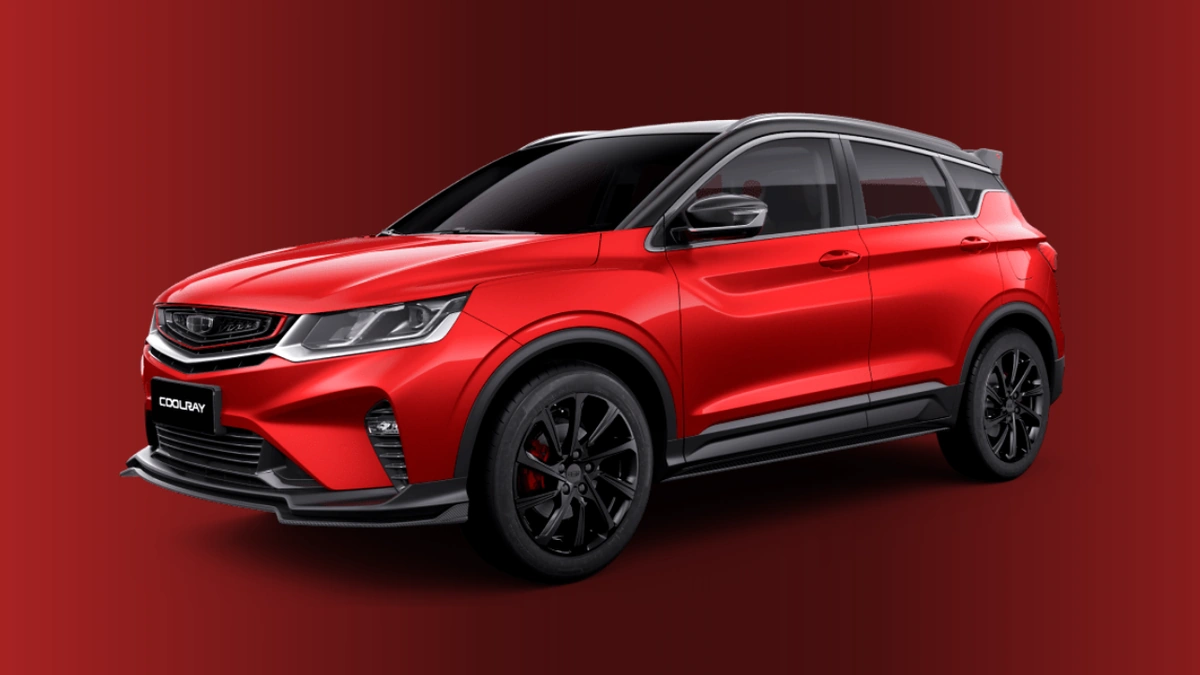
Okay, let’s talk about something fascinating: the unstoppable rise of Chinese automobile brands . We’re not just talking about a blip on the radar here. We’re seeing a genuine shift in the global automotive landscape. And while headlines scream about overall growth, there’s a very interesting subplot involving BYD, the current EV poster child.
October’s numbers are in, and they tell a story of continued expansion for many Chinese automakers. But and this is a big ‘but’ the pace of BYD’s sales increase seems to be slowing down. Here’s the thing: it’s not necessarily bad news for BYD, but it does signal a potential evolution in the market. Let’s dive into why this matters, especially if you’re considering your next car purchase, or are even just curious about where the automotive industry is headed.
Why the Growth of Chinese Car Brands Matters to You (and to India)

So, why should you care about Chinese electric vehicle manufacturers making waves? Well, for starters, increased competition is always good for the consumer. It forces established players to innovate, lower prices, and generally up their game. And that’s certainly what we’re seeing.
But it’s more than just about getting a cheaper car. It’s about access to new technologies. Chinese brands are often at the forefront of electric vehicle (EV) technology, battery development, and in-car infotainment systems. This is particularly relevant in India, where there’s a growing push for EV adoption. A common mistake I see people make is underestimating how quickly the tech is evolving; what looks futuristic today might be commonplace in just a few years. Access to new technologies can open up doors to a lot of things.
Moreover, the rise of Chinese auto exports can have geopolitical implications. It shifts the balance of power in the global economy, potentially leading to new trade agreements and partnerships. This also affect the local automotive supply chain . India, with its own burgeoning automotive industry, needs to be aware of these shifts to remain competitive and adapt accordingly .
BYD’s Deceleration | A Sign of Market Maturity?
Now, let’s zoom in on BYD. The slowdown in their sales growth is interesting. I initially thought this was straightforward – simply meaning less sales. But then I realized it could be a reflection of a maturing market. Think about it: when a company dominates a new sector, rapid growth is almost inevitable. But as the market becomes more crowded – more competition from other brands – that initial growth rate is bound to stabilize.
Could this deceleration indicate that BYD is reaching a saturation point in certain markets? Or perhaps it signals that other Chinese car manufacturers are catching up? Maybe a combination of both? What fascinates me is how BYD will respond. Will they double down on innovation? Explore new markets? Or adjust their pricing strategy? According to various reports, the competition is getting fiercer. And it is one of the major factors for the deceleration. This is a space to watch closely.
Electric vehicle market trends are constantly changing. One thing you absolutely must double-check is the battery range and charging infrastructure available in your area before investing in an EV.
The Impact on the Indian Automotive Market
So, how does all of this affect India? Well, the entry of Chinese automotive brands into the Indian market could shake things up significantly. We’ve already seen some players make inroads, offering competitive pricing and feature-rich vehicles. This could force domestic manufacturers to step up their game, pushing them to invest in R&D and offer better value for money. And that benefits everyone, right?
However, there are also concerns. The Indian government might need to consider policies to protect local manufacturers while also fostering healthy competition. Issues around data security and intellectual property also need to be addressed. It is important to create a level playing field where both domestic and foreign playerscan thrive. Remember, the one thing you absolutely must double-check is the safety rating.
What’s Next for Chinese Automotive Brands?
Looking ahead, the future of China car sales seems bright, albeit with some potential bumps in the road. I suspect we’ll see even greater innovation in EV technology, with advancements in battery range, charging speeds, and autonomous driving features. Furthermore, Chinese brands will likely expand their global footprint, targeting markets in Europe, South America, and Southeast Asia. However, trade tensions and geopolitical factors could play a role in shaping their expansion plans.
What fascinates me is how the established automotive giants will respond. Will they be able to adapt quickly enough to compete with the rising tide of Chinese brands? Or will they cede market share and become niche players? Only time will tell.
And, by the way, don’t overlook the importance of government regulations and incentives. Policies that promote EV adoption and support local manufacturing will be crucial in determining the future of the automotive industry in India and around the world. Here’s why government policies will change depending on local manufacturers demands.
A common mistake I see people make is relying solely on brand reputation when making a car purchase. Do your research, compare features, and test drive multiple vehicles before making a decision. This will lead to the most informed decision.
One cannot ignore the importance of alternative fuels in the coming times.
FAQ About Chinese Car Brands
Are Chinese cars reliable?
Reliability varies by brand and model. Some Chinese brands have made significant strides in improving quality, while others still lag behind. Always research specific models and read reviews before making a purchase.
Are Chinese EVs suitable for Indian conditions?
It depends on the specific model and the availability of charging infrastructure. Consider factors like battery range, charging time, and after-sales service network.
What about the safety of Chinese cars?
Safety standards are constantly improving, but it’s essential to check the safety ratings of specific models from reputable organizations like Global NCAP.
Will Chinese car brands offer good after-sales service in India?
This is an area where Chinese brands need to focus on building trust and credibility. Look for brands with established service networks and readily available spare parts.
Are Chinese automotive brands more innovative?
Some Chinese electric vehicle manufacturers are at the forefront of EV technology, particularly in battery development and in-car technology. This is due to government investment and consumer adoption of new technologies in China.
So, what’s the bottom line? The rise of Chinese automobile brands is a significant trend that has the potential to reshape the global automotive industry. While BYD’s deceleration might raise some eyebrows, it also signals a market that is maturing and evolving. For Indian consumers, this means more choices, greater competition, and potentially access to cutting-edge technology. But it also means being informed, doing your research, and making smart decisions.
The future of the automotive industry is electric, connected, and increasingly global. Buckle up; it’s going to be an interesting ride.