
 By Ravi Singh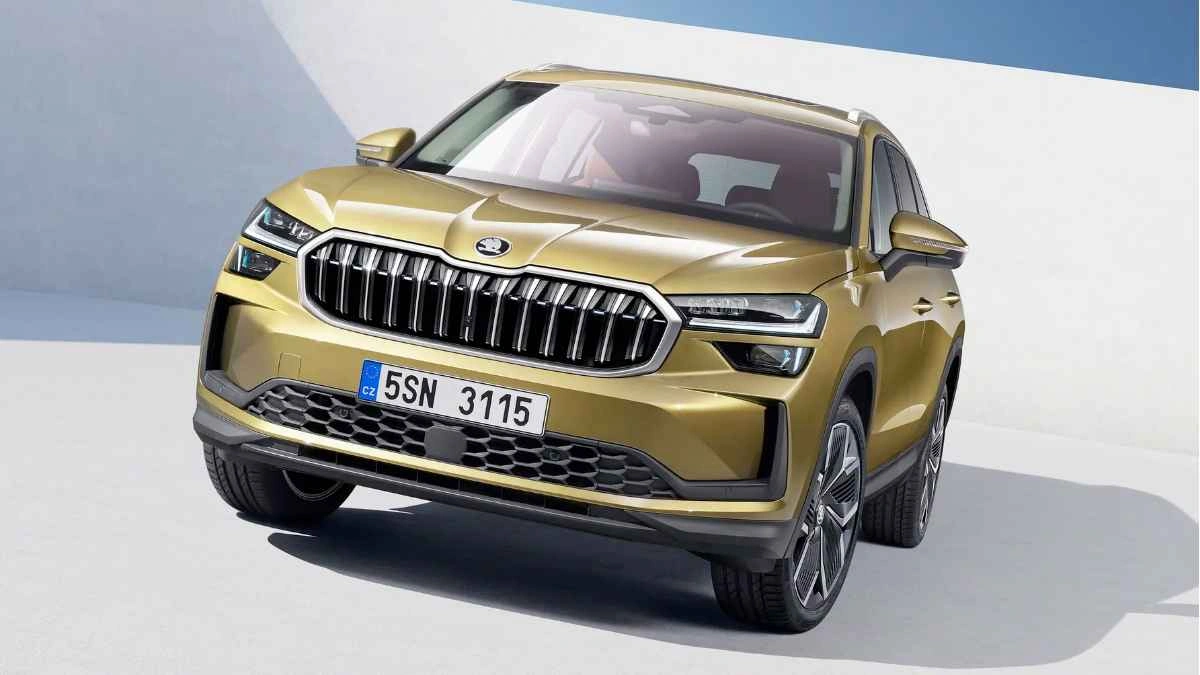
Okay, let’s be honest. Two percent. It doesn’t sound like much, does it? But in the cutthroat world of the Indian auto market, where giants clash and trends shift faster than you can say “mileage,” holding onto even that small slice of the pie is a serious battle. Skoda India , a brand known for its solid engineering and, let’s face it, sometimes understated style, is setting its sights on maintaining that 2% market share. But how are they planning to do it, and why should anyone in India care? That’s what we’re diving into today. This isn’t just about numbers; it’s about strategy, ambition, and what it means for you, the Indian car buyer.
The “Why” Behind the Two Percent Target
Here’s the thing: aiming for just 2% might sound unambitious, but it’s a calculated move. The Indian automotive landscape is fiercely competitive. We’re talking Maruti Suzuki, Hyundai, Tata Motors – titans battling for dominance. For Skoda, a brand that’s still building its presence here, focusing on a sustainable, achievable goal makes strategic sense. Think of it as building a strong foundation before reaching for the stars. Achieving and maintaining the 2% market share reflects Skoda’s commitment to a steady, organic growth in the Indian market. A crucial aspect of this strategy involves introducing models that resonate with the evolving preferences of Indian consumers.
But why not aim higher, you ask? Well, trying to grab a huge chunk of the market too quickly can backfire. It can lead to compromises in quality, strain on resources, and ultimately, a diluted brand image. Skoda seems to be playing the long game, focusing on building a loyal customer base and establishing a reputation for reliability and value. The success of brands like MG Motor India shows the potential, but also the risks, of aggressive expansion. Also, their success depends on new car models. Let’s be real, Skoda can’t maintain its share with just the existing lineup.
New Models | The Key to Survival and Growth
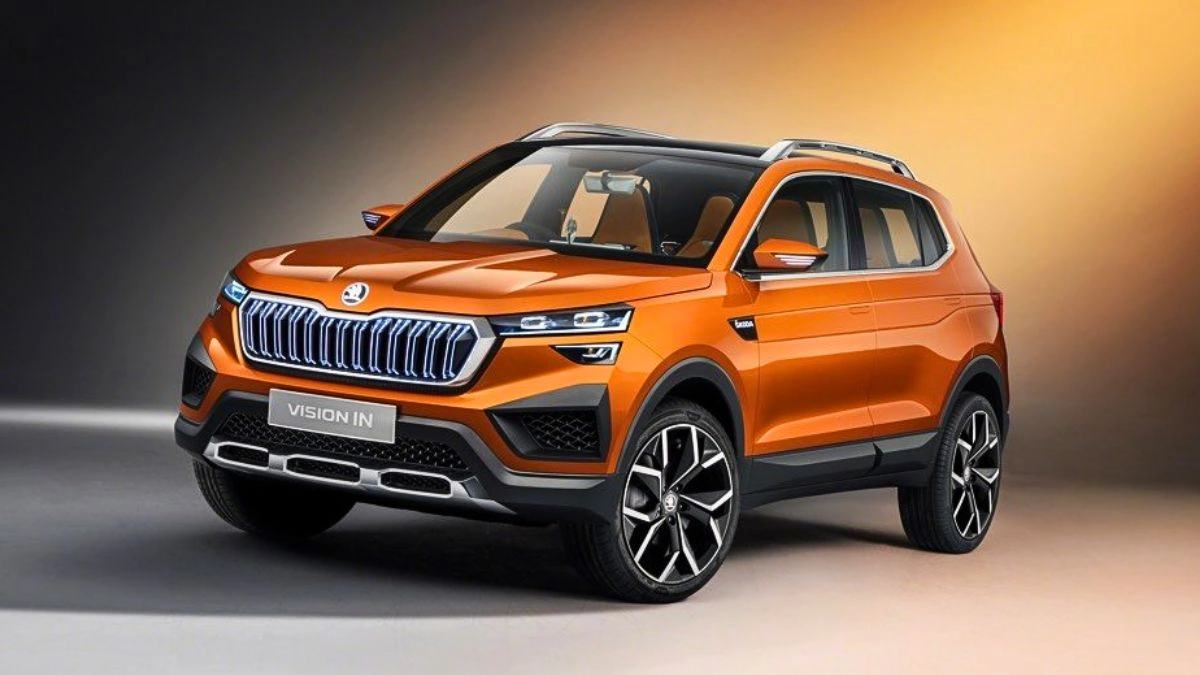
Speaking of new models, that’s where the real excitement lies. Skoda isn’t just planning to sit back and hope things work out. They’re betting on fresh offerings to lure in new buyers and keep existing customers happy. But what kind of cars are we talking about? That’s the million-rupee question. My guess is we’ll see a mix of SUVs (because, let’s face it, everyone wants an SUV these days), maybe a refreshed sedan, and possibly even a foray into the electric vehicle (EV) space. EV market growth is undeniable.
Skoda India strategy likely involves tapping into the growing demand for SUVs, offering a blend of style, performance, and practicality. The brand has consistently delivered vehicles that resonate with Indian consumers, balancing value and luxury. This is crucial for strengthening their market presence. And let’s not forget the importance of localization. Building cars in India, using local components, is key to keeping costs down and remaining competitive. Skoda has been investing in its Indian operations, and that investment needs to pay off with compelling, locally-produced vehicles.
The Indian Car Buyer | What Skoda Needs to Understand
Here’s the thing – the Indian car buyer is a savvy bunch. They demand value for money, fuel efficiency, reliability, and a good ownership experience. Skoda needs to tick all those boxes to win them over. A common mistake I see car brands make is underestimating the importance of after-sales service. In India, word-of-mouth travels fast. A single bad experience can turn away potential customers.
Skoda also needs to understand the unique needs of Indian drivers. Think about it – our roads are different, our driving conditions are different, and our priorities are different. A car that’s perfect for Europe might not be ideal for India. For example, ground clearance is a big deal here, thanks to our infamous speed breakers and potholes. Skoda car sales will hinge on how well they adapt their vehicles to these realities. Also, features like ventilated seats and powerful ACs aren’t luxuries here; they’re necessities, given our climate.
But it’s not just about practicality. Indian car buyers are also increasingly style-conscious and tech-savvy. They want cars that look good, feel good, and are packed with the latest features. Skoda needs to strike that perfect balance between substance and style to succeed. What fascinates me is how different segments are behaving. Someone buying a budget hatchback has different priorities compared to someone dropping serious cash on a luxury SUV.
The Road Ahead | Challenges and Opportunities
The road ahead for Skoda in India is paved with both challenges and opportunities. The competition is fierce, the market is constantly evolving, and consumer expectations are high. But Skoda also has some advantages. It’s part of the Volkswagen Group, which gives it access to a wealth of technology and resources. The Volkswagen Group’s influence in India, particularly in manufacturing and technology, adds credibility and innovation to Skoda’s Indian operations. The Volkswagen Group India is a key element for expansion and growth. Skoda is also known for its engineering prowess, building cars that are well-built, reliable, and fun to drive.
However, a considerable challenge is the competition from Maruti Suzuki . Maruti Suzuki continues to dominate the Indian market, providing affordable and reliable cars that appeal to the mass market.
To really thrive, Skoda needs to amplify its brand image. According to the official Skoda India website , they’re committed to customer satisfaction and innovation. Communicating this effectively will be crucial. They need to tell a compelling story that resonates with Indian consumers. And that story needs to be about more than just cars. It needs to be about lifestyle, aspiration, and belonging.
Ultimately, Skoda’s success in India will depend on its ability to understand and adapt to the unique needs and preferences of Indian car buyers. By focusing on delivering value, reliability, and a great ownership experience, they can carve out a sustainable niche for themselves in this dynamic market. And hey, maybe they’ll even surpass that 2% target. Who knows? But one thing’s for sure: the next few years will be an interesting ride.
One thing you absolutely must double-check before making any purchase decisions is to compare similar brands. The Indian automobile market has many choices, and being well informed is always the smart thing to do.
But it’s about more than just surviving. It’s about thriving. And that requires a deep understanding of the Indian consumer, a commitment to innovation, and a willingness to take calculated risks. Only time will tell if Skoda can pull it off. But I, for one, am excited to see what they come up with. Let me rephrase that for clarity… I am eager to see how this situation unfolds.
FAQ Section
Frequently Asked Questions
What exactly does a 2% market share mean in terms of car sales?
It translates to approximately 70,000 to 80,000 cars sold annually, depending on the overall market size. It’s a modest but significant volume.
What kind of new car models can we expect from Skoda in India?
While specific details are scarce, expect a mix of SUVs, possibly a refreshed sedan, and potentially an entry into the EV segment.
How does Skoda plan to compete with established players like Maruti Suzuki?
By focusing on quality, engineering, and a premium ownership experience, differentiating themselves from the more mass-market offerings.
Is Skoda considering local manufacturing to reduce costs?
Yes, they’ve been investing in their Indian operations, including localization efforts to remain competitive.
What if I’m looking for a fuel-efficient and reliable car? Is Skoda a good option?
Skoda cars are generally known for their reliability and decent fuel efficiency. Research specific models to see if they fit your needs.
And, do not forget to check out revenue growth automobile strategies .