
 By Ravi Singh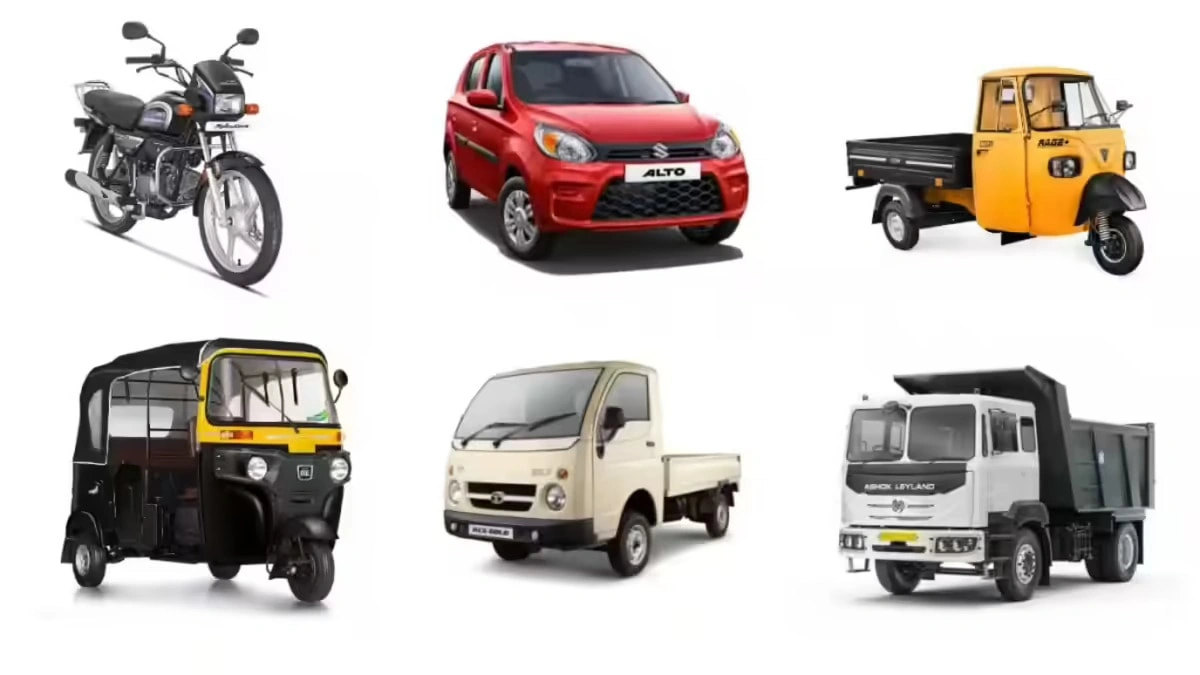
The festive season in India is synonymous with vibrant celebrations, family gatherings, and, of course, big purchases. This year, the Indian auto sales industry has seen a remarkable surge, recording a 21% growth during the festive period. But what’s fueling this impressive uptick? Is it purely festive cheer, or are there deeper economic factors at play? Let’s dive in and unravel the story behind the numbers.
Decoding the Festive Season Auto Sales Boom
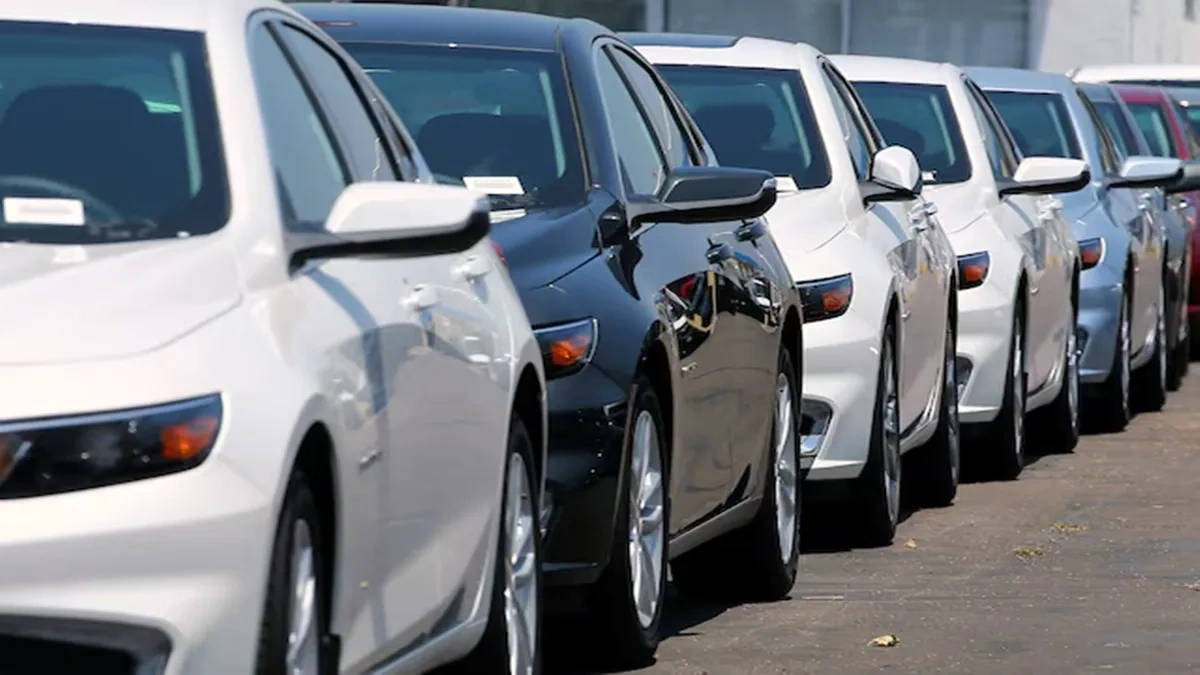
Here’s the thing: a 21% growth isn’t just a statistic; it’s a reflection of evolving consumer behavior, changing economic landscapes, and the resilience of the Indian market. To understand this boom, we need to look beyond the surface. One key factor is pent-up demand. After a couple of years of uncertainty due to the pandemic, people are now more willing to make significant purchases. Let’s be honest, many families put off buying a new car, waiting for things to stabilize. Now, with increased economic activity and a sense of normalcy returning, that pent-up demand is finally being released.
But it’s not just about pent-up demand. The availability of attractive financing options also plays a crucial role. Banks and financial institutions are offering competitive interest rates and flexible repayment plans, making it easier for consumers to afford vehicles. Plus, car manufacturers themselves are rolling out festive season discounts and offers, further incentivizing purchases. What fascinates me is how these different elements come together to create a perfect storm for vehicle sales .
The Role of New Launches and Technological Advancements
The Indian auto market is dynamic, with new models and technological advancements constantly hitting the scene. This festive season has been no different. Several major manufacturers launched new vehicles, often packed with cutting-edge features and improved fuel efficiency. These launches generated a lot of buzz and excitement, attracting consumers who were looking to upgrade their vehicles. But, new features alone aren’t enough . Consumers are also increasingly aware of environmental concerns, leading to a greater demand for fuel-efficient and eco-friendly vehicles. Manufacturers who are able to offer these options are likely to see a significant boost in sales.
And it’s not just about the cars themselves. The entire buying experience is evolving. Online platforms and digital showrooms are becoming increasingly popular, allowing consumers to research and compare vehicles from the comfort of their homes. This digital transformation is making it easier for people to make informed decisions, and it’s also expanding the reach of auto manufacturers to new customer segments. The shift towards online car buying in India has been gradual but significant, especially since the pandemic.
Impact of Government Policies and Infrastructure Development
Government policies and infrastructure development also play a vital role in shaping the automotive industry . The government’s focus on improving road infrastructure, particularly in rural areas, is making it easier for people to access and use vehicles. This is especially important in a country like India, where a significant portion of the population lives in rural areas. Improved infrastructure not only makes it easier to travel but also creates new economic opportunities, further driving demand for vehicles.
Furthermore, government initiatives aimed at promoting electric vehicles (EVs) are also gaining traction. While EVs still account for a relatively small portion of the overall auto market, their popularity is growing rapidly. Government subsidies, tax incentives, and the development of charging infrastructure are all contributing to the growth of the EV market. According to industry experts , the EV segment is poised for significant growth in the coming years, and this will further transform the Indian auto landscape.
Challenges and the Road Ahead for Indian Auto Sales
But, it’s not all sunshine and rainbows. The Indian auto sector still faces several challenges. Rising fuel prices, inflation, and supply chain disruptions continue to be major concerns. These factors can impact consumer sentiment and purchasing power, potentially dampening demand. Let me rephrase that for clarity – while the festive season has been a success, the industry needs to address these underlying challenges to sustain long-term growth.
Looking ahead, the Indian auto industry needs to focus on innovation, sustainability, and customer-centricity. Manufacturers need to invest in developing vehicles that are not only technologically advanced but also environmentally friendly and affordable. They also need to enhance the overall customer experience, from the initial research phase to after-sales service. As per the latest report on Automotive Stock Performance , companies that prioritize innovation and customer satisfaction are more likely to thrive in the long run.
The festive season’s 21% growth is undoubtedly a positive sign for the Indian auto industry. But sustained success will depend on how well the industry adapts to changing market dynamics, addresses existing challenges, and embraces new opportunities. The Indian consumer is becoming increasingly discerning, and manufacturers need to step up their game to meet their evolving needs and expectations. The focus should be on delivering value, quality, and a seamless ownership experience. The Indian auto industry is at a pivotal moment, and the choices it makes today will determine its future trajectory.
FAQ Section
Frequently Asked Questions
What are the key factors that contributed to the 21% growth in auto sales during the festive season?
Pent-up demand, attractive financing options, new vehicle launches, and festive season discounts all played significant roles.
How are government policies impacting the automotive industry in India?
Government policies aimed at improving road infrastructure and promoting electric vehicles are positively impacting the industry.
What are some of the challenges facing the Indian auto sector?
Rising fuel prices, inflation, and supply chain disruptions remain major concerns for the industry.
How is the increasing popularity of electric vehicles (EVs) impacting auto sales?
The rising popularity of EVs is gradually transforming the Indian auto landscape, with government support and growing consumer awareness driving the trend.
What strategies can auto manufacturers adopt to ensure sustained growth?
Manufacturers need to focus on innovation, sustainability, customer-centricity, and delivering value to meet evolving consumer needs.
Are there specific regions in India where the auto sales growth was more pronounced during the festive season?
While detailed regional data varies, rural and semi-urban areas often show strong growth due to improved infrastructure and increased disposable income.