
 By Ravi Singh
The future of automobiles isn’t just electric; it’s also potentially powered by something far more abundant: hydrogen. But here’s the thing: making hydrogen cars a reality isn’t just about the fuel cell. It’s about safely and efficiently storing that hydrogen, and that’s where hydrogen pressure vessels come into play. What fascinates me is how this seemingly small component is actually a linchpin in the entire hydrogen vehicle revolution. So, let’s dive deep into what’s fueling the growth of the hydrogen vehicle pressure vessels market, especially looking ahead to 2025-2031.
Why the Focus on Hydrogen Pressure Vessels?
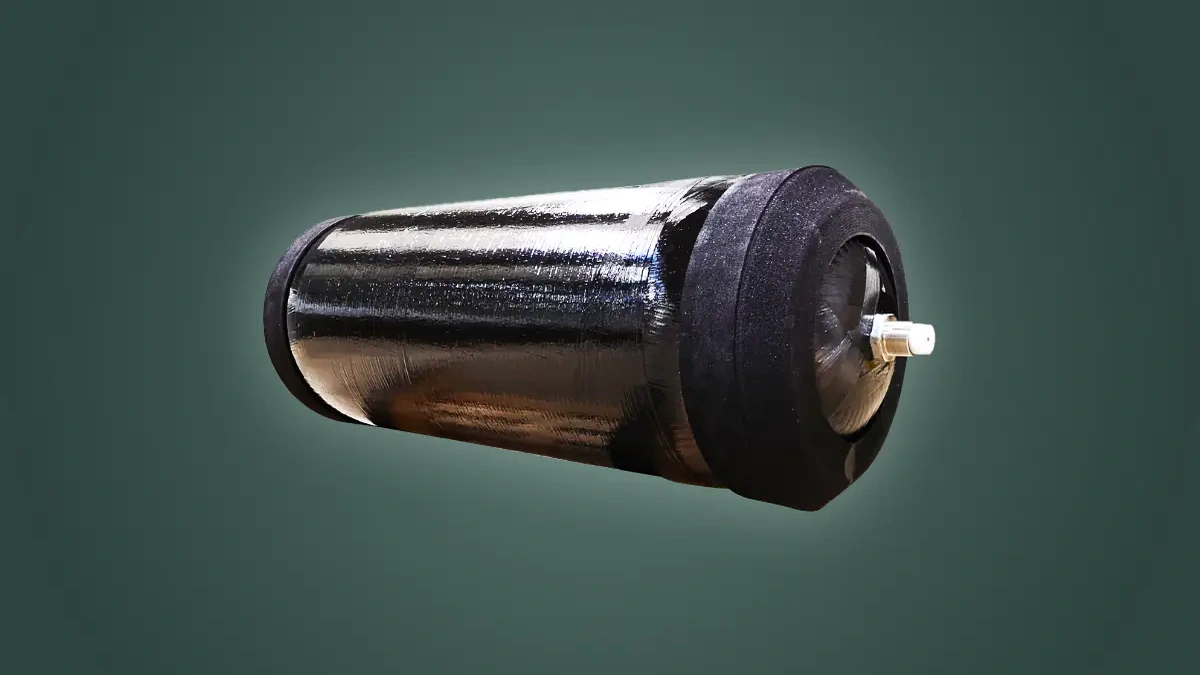
Let’s be honest: hydrogen is a tricky element to handle. It’s the lightest element, meaning it tends to leak, and it requires extreme compression or cooling to store in a usable amount. That’s where advanced pressure vessels step in. These aren’t your grandpa’s gas tanks. We’re talking about sophisticated, multi-layered composite structures designed to withstand incredibly high pressures – we’re talking 700 bar (10,000 psi) or even higher! The growth in demand for safe hydrogen storage directly correlates with the viability of hydrogen vehicles. The safer and more efficient these vessels become, the more attractive hydrogen cars are to the average consumer. A common mistake I see is people underestimating the importance of these vessels.
But, what’s the big deal about the forecast period of 2025-2031? Well, that’s when analysts predict we’ll see major advancements in materials science, manufacturing techniques, and overall infrastructure development. Think of it as the tipping point where hydrogen vehicles could potentially go from niche to mainstream.
Key Factors Driving Market Growth
Several factors are converging to drive the growth of the hydrogen vehicle pressure vessels market . Firstly, governments worldwide are pushing for stricter emissions regulations. They are trying to encourage the adoption of zero-emission vehicles like hydrogen cars. Secondly, major automakers are investing heavily in hydrogen fuel cell technology. This means more demand for hydrogen storage solutions. And thirdly, advancements in composite materials like carbon fiber are making vessels lighter and stronger. But, the one thing you absolutely must double-check on your research is the regional breakdown. Demand isn’t uniform across the globe.
For instance, regions with established hydrogen infrastructure, like Japan, South Korea, and parts of Europe, are expected to see faster adoption rates. Countries like India, with a strong push for alternative fuels, also represent a significant growth opportunity. The rise of electric SUVs is also influencing this market, as automakers explore diverse strategies to reduce carbon emissions.
Technological Advancements and Innovations
What fascinates me is the level of engineering going into these pressure vessels. We’re not just talking about tanks; we’re talking about masterpieces of material science. Carbon fiber composites are the go-to material for Type IV pressure vessels. These vessels consist of a polymer liner overwrapped with carbon fiber. This provides exceptional strength-to-weight ratios. However, research is ongoing into alternative materials like graphene and nanomaterials. These could potentially lead to even lighter and more durable vessels. Also, advancements in manufacturing techniques, such as automated fiber placement, are reducing production costs and improving vessel quality. This makes hydrogen storage more accessible.
I initially thought this was straightforward, but then I realized the complexity of the liner material. The liner needs to be impermeable to hydrogen to prevent leakage. But it also needs to withstand the stresses caused by repeated filling and emptying. That’s a tough balancing act! The development of new liner materials and coatings is a critical area of research. This ensures the long-term durability and safety of high-pressure hydrogen tanks .
Challenges and Opportunities
Let’s be real, it’s not all smooth sailing. The hydrogen pressure vessels market faces several challenges. The high cost of materials like carbon fiber is a major barrier to widespread adoption. Developing robust hydrogen infrastructure, including refueling stations and transportation networks, is also essential. Safety concerns surrounding hydrogen storage and handling also need to be addressed. These can be done through rigorous testing and certification standards.
But, these challenges also present opportunities. Reducing the cost of carbon fiber through economies of scale and process optimization is crucial. Investing in hydrogen infrastructure development will create jobs and stimulate economic growth. Implementing comprehensive safety regulations will build public confidence in hydrogen technology. According to the latest reports, advancements in compression technology for hydrogen refueling stations are expected to significantly reduce refueling times.
Future Outlook | What to Expect
Looking ahead, the global hydrogen vehicle pressure vessels market is poised for substantial growth. Analysts predict a significant increase in market size between 2025 and 2031, driven by the factors we’ve discussed. We can expect to see continued innovation in materials science and manufacturing techniques, leading to lighter, stronger, and more cost-effective vessels. A common mistake I see people make is focusing solely on the automotive sector. Hydrogen pressure vessels have applications beyond cars, including buses, trucks, and even trains.
But, let’s be honest: the success of hydrogen vehicles hinges on more than just the pressure vessels. It requires a holistic approach. One should address the entire hydrogen value chain from production to distribution to utilization. As governments, industry, and researchers collaborate to overcome these challenges, the hydrogen vehicle pressure vessels market is set to play a crucial role in shaping the future of transportation. A pivotal role towards a more sustainable and environmentally friendly future.
FAQ
Frequently Asked Questions
What are the different types of hydrogen pressure vessels?
There are mainly four types, ranging from all-metal (Type I) to fully composite (Type IV), each with varying pressure capacities and applications.
How safe are hydrogen pressure vessels?
Modern vessels undergo rigorous testing and are designed with multiple safety features to prevent leaks and ruptures, making them quite safe.
What is the lifespan of a hydrogen pressure vessel?
The lifespan varies depending on the design and usage, but most are designed to last the lifetime of the vehicle, typically 15-20 years.
Are hydrogen vehicles really eco-friendly?
Yes, if the hydrogen is produced from renewable sources. Otherwise, the carbon footprint depends on the hydrogen production method.
What happens to hydrogen pressure vessels at the end of their life?
They can be recycled, with materials like carbon fiber being recovered and reused in other applications.
How does environmental sustainability influence the hydrogen pressure vessel market?
With more stringent environmental rules and regulations, more companies are moving towards the use of hydrogen pressure vessels in vehicles and other transportation devices.