
 By Ravi Singh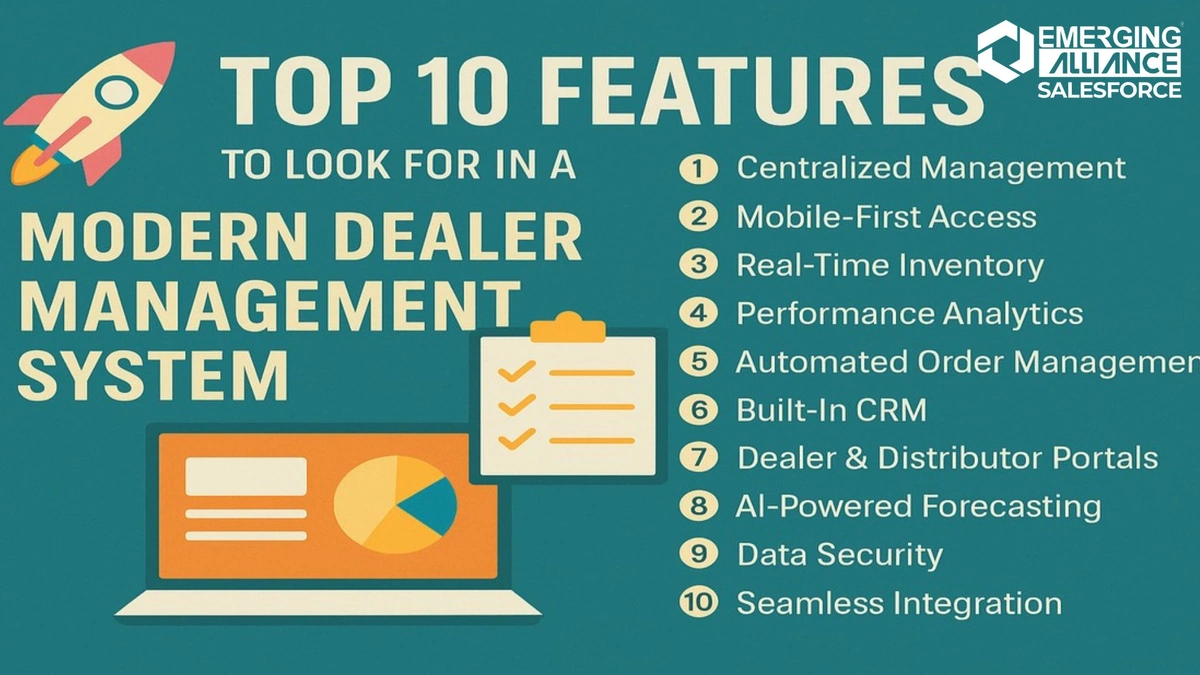
Okay, let’s be honest. When you hear about partnerships between car giants and tech companies, your eyes might glaze over. Another press release, another corporate handshake, right? But this one Mercedes-Benz India hooking up with Zoho for dealer management system is actually pretty darn interesting. And here’s why: it’s a sign of things to come. It is about changing the way automotive retail operates in India.
Why Decentralization Matters | The Indian Context
So, Mercedes-Benz isn’t just switching software. They’re shifting towards a decentralized dealer management approach. What does that even mean? Well, traditionally, car dealerships rely on massive, monolithic software systems that control everything from inventory to customer relationships. Think of it like a giant, complicated machine where everything is interconnected. But what happens when one part breaks? The whole thing grinds to a halt.
Decentralization, on the other hand, is like building with LEGOs. Each dealer gets more autonomy and flexibility with modular Zoho apps. According to a press statement on the Mercedes-Benz India website, this collaboration aims to provide a seamless and integrated platform for managing various aspects of dealership operations. What fascinates me is that it puts power back in the hands of the dealers, letting them customize solutions to fit their unique needs. And in a diverse market like India, that’s huge. This move helps improve automotive retail processes.
But, why Zoho? Here’s the thing: Zoho has been making waves in the CRM and business software space. They are a strong alternative to the big players. This offers a suite of customizable apps, it’s also known to be pretty user-friendly, which is crucial for getting dealership staff on board. The common mistake I see is that dealerships are slow to adopt new tech. That’s all you need to know before reading on.
The “How” | Zoho’s Role in the Transformation
Let’s get into the nitty-gritty. How is Zoho actually changing the game for Mercedes-Benz dealerships? It boils down to a few key areas:
- Customer Relationship Management (CRM): Zoho CRM helps dealers manage customer interactions, track leads, and personalize the sales experience. Imagine a salesperson having instant access to a customer’s past interactions, preferences, and service history – that’s the power of a well-integrated CRM.
- Inventory Management: Keeping track of vehicles, parts, and accessories can be a logistical nightmare. Zoho Inventory streamlines this process, providing real-time visibility and helping dealers optimize their stock levels. This is especially important to make sure that they can meet the demand for electric vehicles (EVs).
- Service Management: From scheduling appointments to tracking repairs, Zoho Service Desk helps dealers deliver top-notch after-sales service. This can lead to higher customer satisfaction and loyalty.
- Analytics and Reporting: Zoho Analytics provides dealers with insights into their performance, helping them identify areas for improvement and make data-driven decisions. Dealerships can then track sales performance more efficiently.
The beauty of Zoho’s approach is its modularity. Dealerships can pick and choose the apps they need, and integrate them seamlessly with their existing systems. It’s not an all-or-nothing proposition, which reduces the risk and makes it easier to adopt. According to a report by Mordor Intelligence , the dealer management software market is expected to grow significantly in the coming years, driven by the need for improved efficiency and customer experience. And the one thing you absolutely must double-check is that the system allows for easy data migration.
The Emotional Angle | Empowering Dealerships
That moment of frustration when the software crashes during a crucial sales pitch. We’ve all been there, or at least heard the stories. Now, imagine the peace of mind knowing that your systems are reliable, flexible, and tailored to your specific needs. That’s the emotional benefit of this partnership.
This isn’t just about efficiency and cost savings; it’s about empowering dealerships to provide a better experience for their customers. It is also about fostering a more collaborative and innovative environment. With the right tools, dealers can focus on what they do best: building relationships and selling cars. But, this means automotive dealers will need to retrain their staff to take full advantage of the new system.
And speaking of the customer experience, this shift towards decentralization could mean faster service, more personalized interactions, and a greater sense of trust. Let me rephrase that for clarity: when dealerships have the tools they need to succeed, customers benefit too.
Looking Ahead | The Future of Automotive Retail
I initially thought this was a one-off partnership, but then I realized it’s part of a larger trend. The automotive industry is undergoing a massive transformation, driven by technology, changing consumer expectations, and the rise of electric vehicles. Dealerships need to adapt to survive and thrive. This collaboration between Mercedes-Benz India and Zoho is a step in the right direction.
What’s really fascinating is that this could pave the way for other automakers to adopt similar strategies, fostering a more competitive and innovative landscape. It’s not just about selling cars anymore; it’s about providing a seamless and integrated customer experience. This partnership can streamline dealer operations .
But there are challenges ahead. Implementing new systems takes time and effort. Dealership staff will need to be trained, and processes will need to be adapted. However, the potential rewards are well worth the investment. If I were a betting man, I’d say this is just the beginning of a new era for automotive retail in India. Read more about similar trends in the automotive industry.
FAQ Section
What exactly does “decentralized dealer management” mean?
It means giving individual dealerships more control and flexibility over their operations by using modular and customizable software solutions, rather than relying on a single, centralized system.
Why did Mercedes-Benz India choose Zoho?
Zoho offers a suite of user-friendly and customizable apps that can be tailored to meet the specific needs of each dealership. It’s also a cost-effective alternative to traditional enterprise software solutions.
How will this partnership benefit customers?
Customers can expect faster service, more personalized interactions, and a better overall experience thanks to improved efficiency and communication at the dealership level.
What are the potential challenges of implementing this new system?
Implementing new systems requires time, effort, and training. Dealership staff will need to adapt to new processes, and data migration can be complex.
Is this a sign of things to come for the automotive industry in India?
Yes, this partnership is likely a sign of a broader trend towards greater decentralization and technology adoption in the automotive retail sector.
How can other dealerships benefit from this model?
Other dealerships can learn from Mercedes-Benz India’s experience and explore how modular and customizable software solutions can help them improve their operations and customer experience.
Here’s why this matters: ultimately, this partnership between Mercedes-Benz India and Zoho is about more than just technology. It’s about empowering dealerships, improving the customer experience, and driving innovation in the automotive industry. And that’s something we can all get excited about.